Last updated November 23, 2026
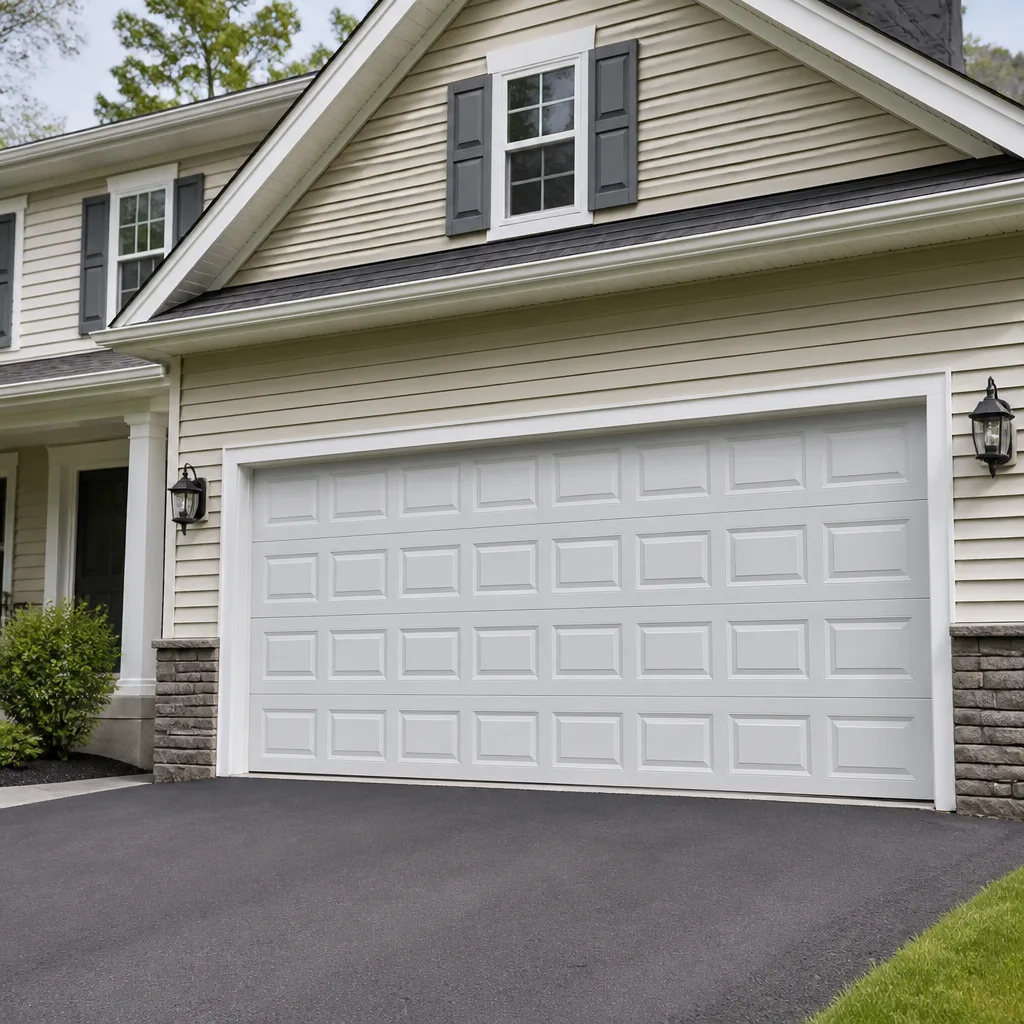 Raised-panel steel
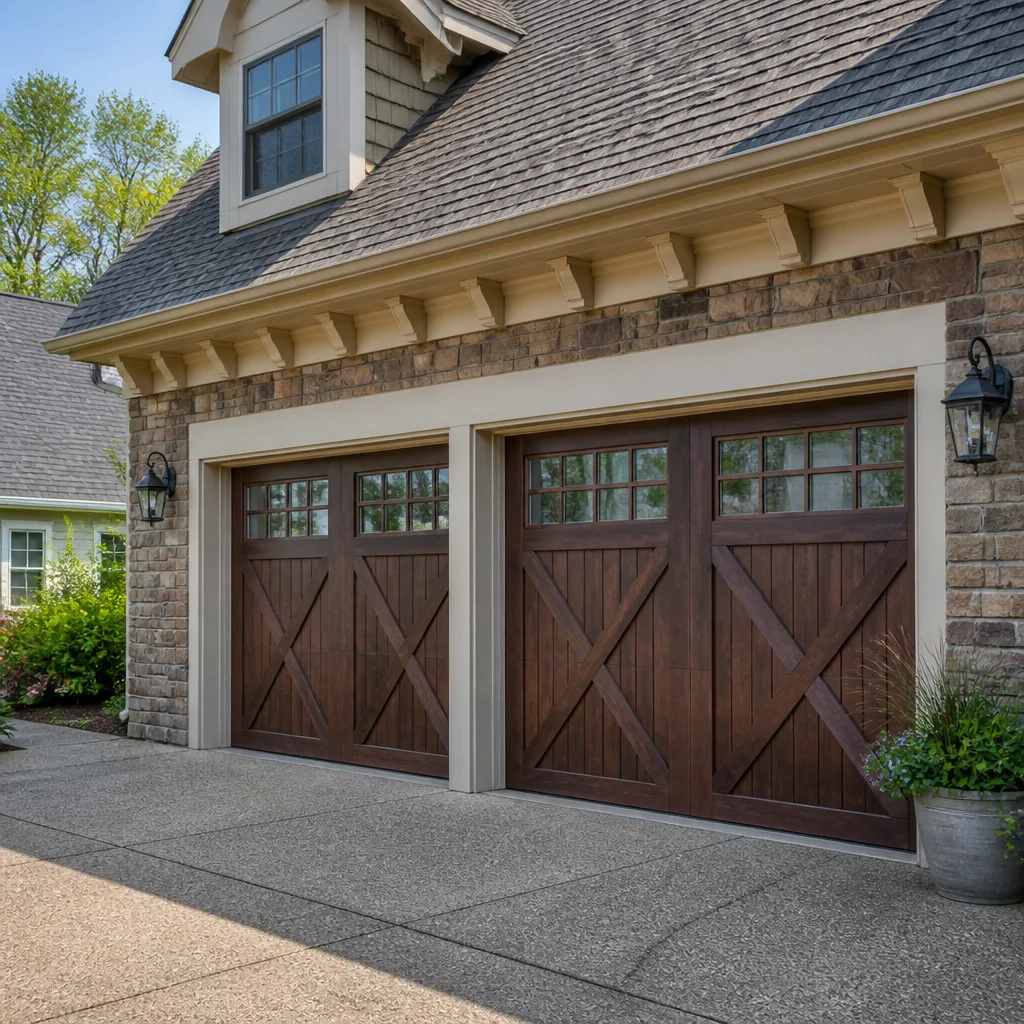 Carriage house
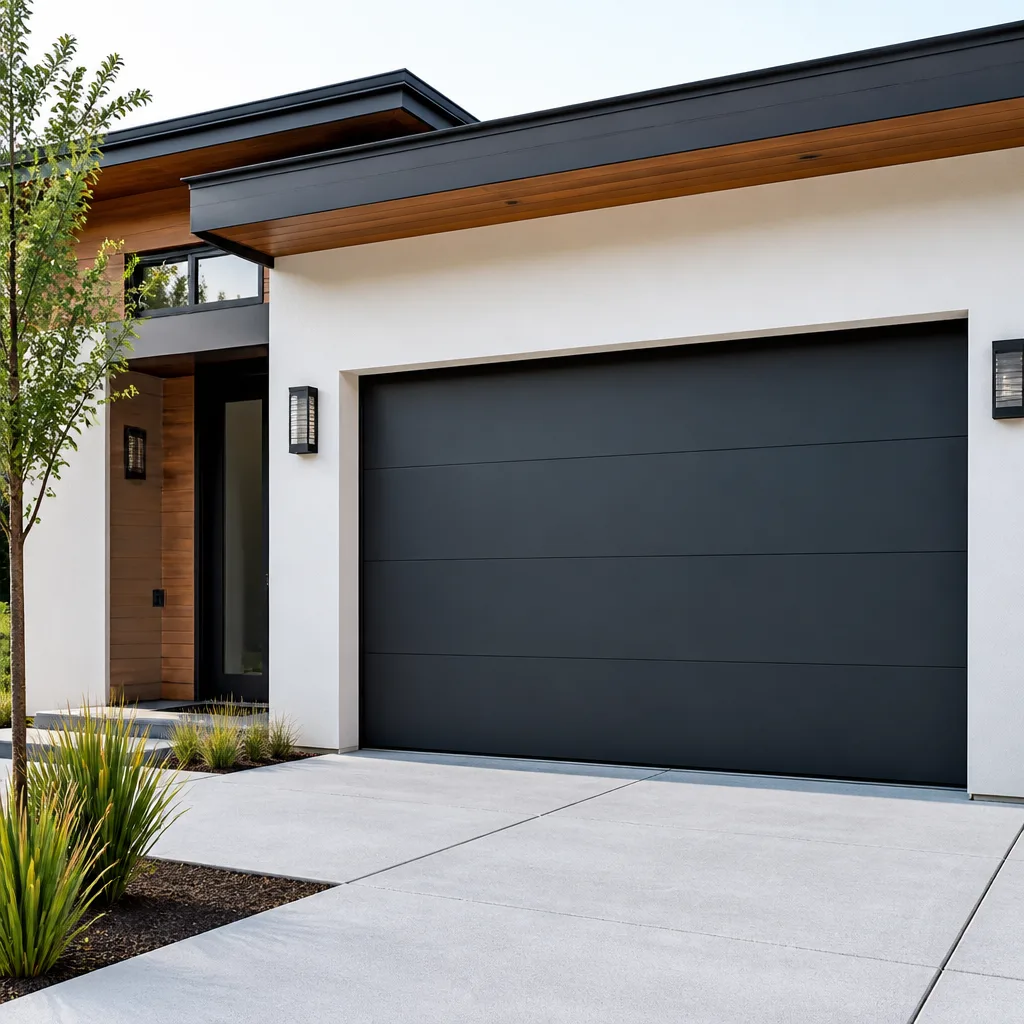 Modern flush
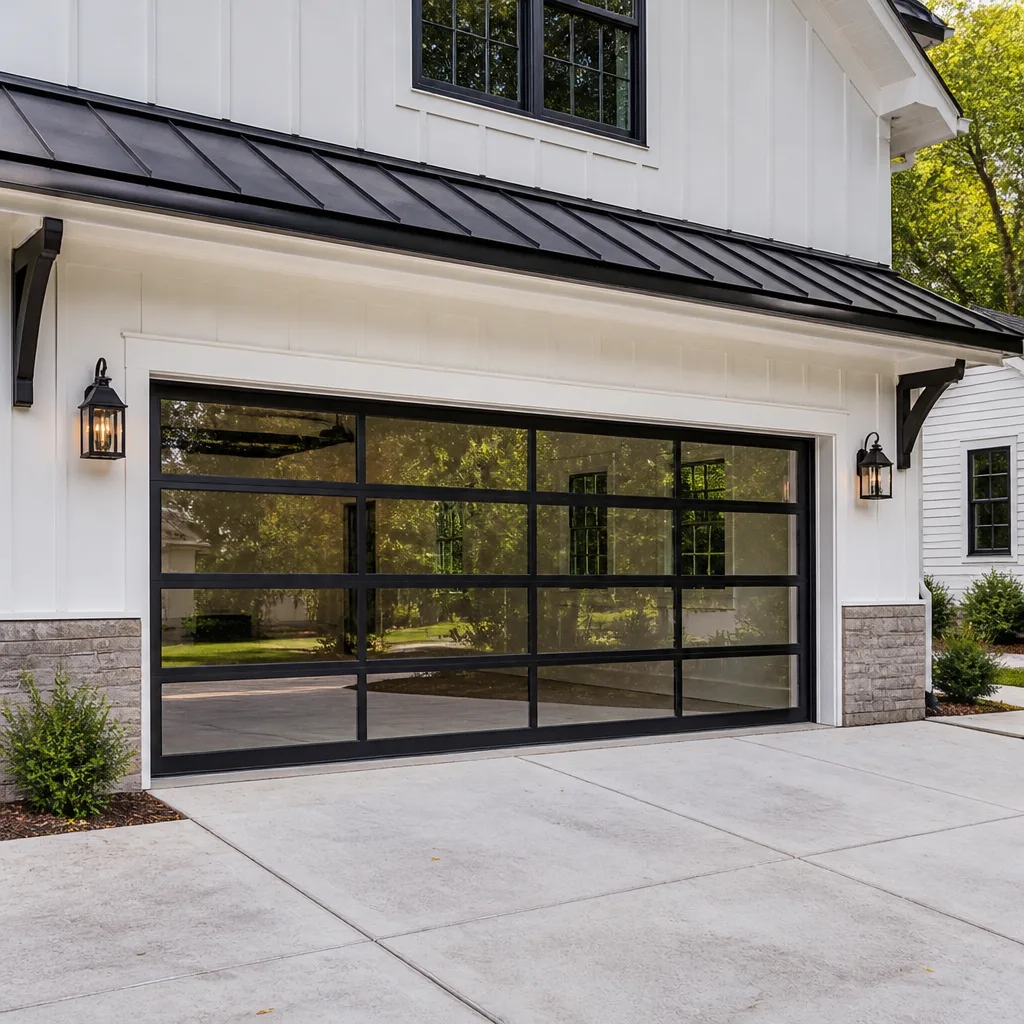 Full-view glass
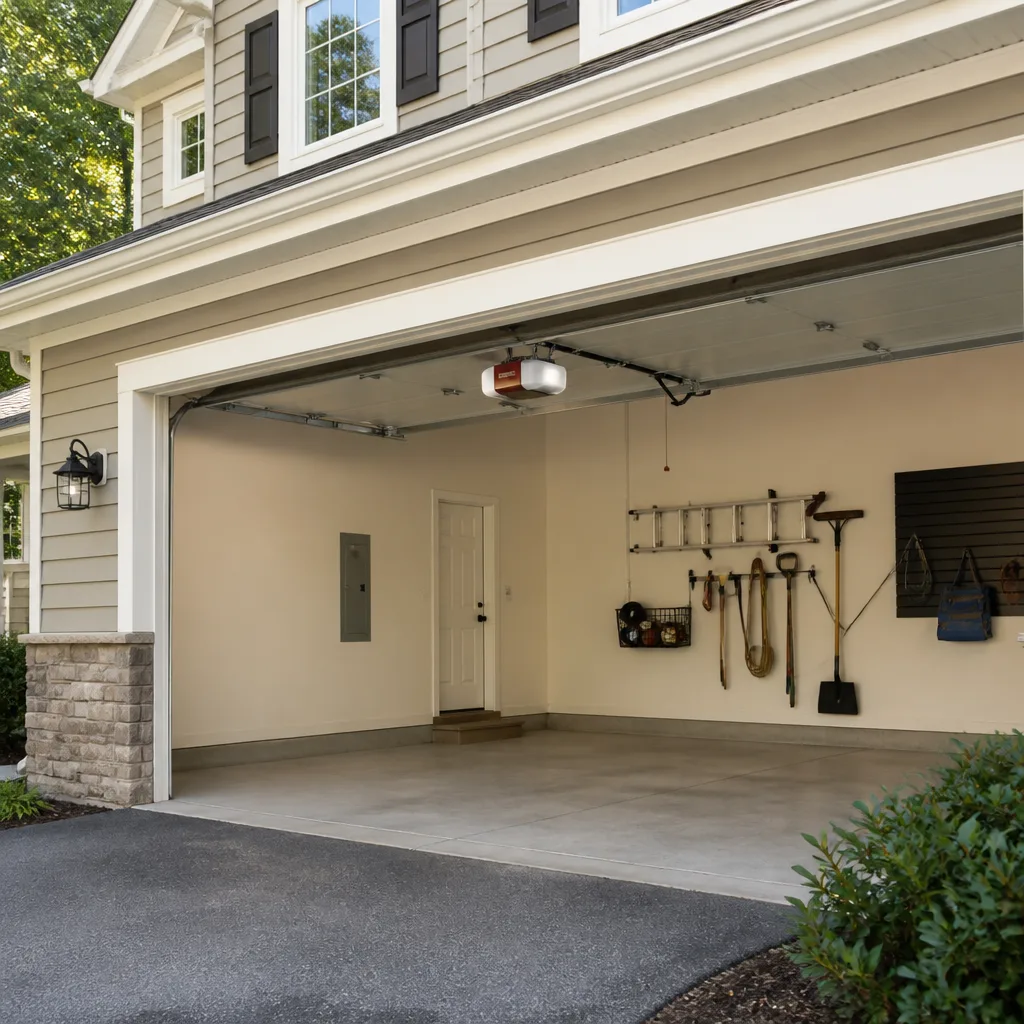 LiftMaster openers
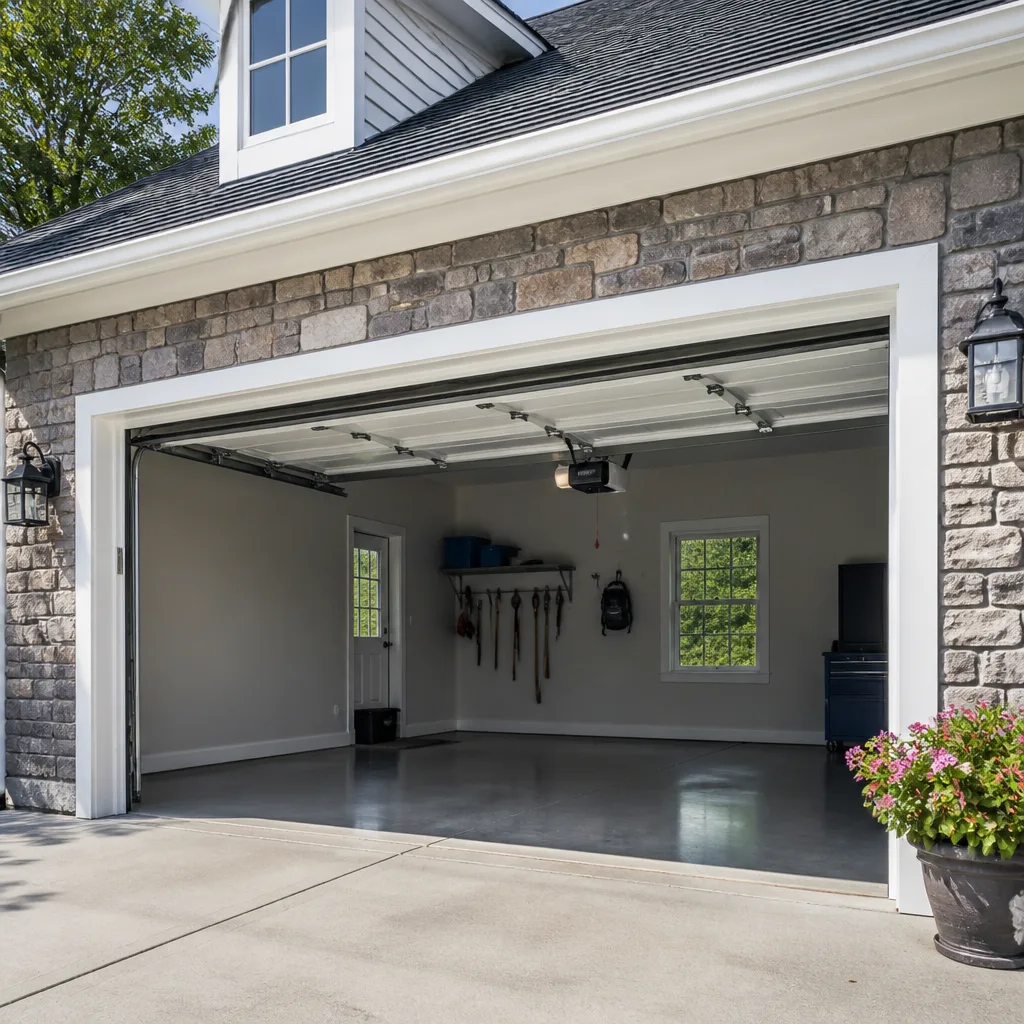 Chamberlain openers
Full 25-point door and opener safety check with every visit - springs, cables, rollers, tracks, and your LiftMaster or Chamberlain opener included
You get a price before we start. It does not change when the pro arrives.
Get your free estimateGarage Door Repair Maintenance Checklist for Lakeside Homeowners
The number one cause of premature garage door spring failure in Florida isn’t heavy use. It’s humidity working on unprotected metal between openings. A door that sits closed for days in still, damp air rusts from the inside out, and the springs, cables and bottom brackets take the worst of it. Most national maintenance guides are written for mild, dry climates, which is why they tell you to lubricate once a year and call it a season. In Lakeside, that interval leaves too much time between checks. What follows is a checklist built around how doors actually wear in Lakeside heat and storm weather, plus a clear point where you should stop and call a trained technician.
Styles & brands we work with
- Raised-panel steel
- Carriage house
- Modern flush
- Full-view glass
- LiftMaster openers
- Chamberlain openers
Quick Answer
A garage door maintenance checklist in Lakeside should cover lubrication every few months instead of once a year, inspection of the bottom seal, roller brackets and cables for rust and fraying, a safe spring test you can do from the ground, and a pre-storm walkthrough of the hardware and opener. You can handle lubrication and visual checks yourself. Springs, cables and torsion hardware are safety-critical and belong with a trained professional.
Table of Contents
- Why Lakeside Doors Age Differently
- Corrosion Checkpoints: Where Florida Wear Shows First
- Your Lubrication Schedule for Heat and Humidity
- Testing Spring Tension Safely From the Ground
- Pre-Storm Season Inspection for Lakeside Homes
- Opener and Safety Reverse Checks
- What to Log and When to Call a Pro
- Common Mistakes to Avoid
- When to Call a Professional
- Frequently Asked Questions
Why Lakeside Doors Age Differently
Doors in Lakeside live in warm, humid air most of the year. That combination speeds up two things at once: oxidation on bare steel and the breakdown of factory grease. A spring coiled in a garage that holds moisture doesn’t rust because it rains on it. It rusts because condensation settles on cold metal each morning and doesn’t fully dry before the next swing. The same slow process works on cable strands, roller stems and bottom brackets. None of this is visible from the driveway unless you know where to look.
The housing around Lakeside changes the picture too. Doors on homes near the lake stow moisture longer because the surrounding air is heavier. Doors on inland lots that bake in full afternoon sun get the opposite problem: heat dries out seals and makes hinges stiff, while the opener motor runs hotter on an insulated door. Clopay and Amarr doors are common here, and both hold up well, but neither one is immune to humidity if the hardware isn’t maintained. A panel that looks fine can hide rusted hinges underneath.
The takeaway for Lakeside homeowners is simple. Treat maintenance as a seasonal habit, not an annual event. Small checks catch the rust and fatigue early, when the fix is a cleaning and a fresh coat of lubricant rather than a spring or cable replacement.
Corrosion Checkpoints: Where Florida Wear Shows First
In our experience in Lakeside, corrosion doesn’t start at the springs. It starts low, where moisture collects and where the door meets the ground.
The bottom seal
The rubber seal along the bottom of the door sits against a damp slab and holds whatever moisture is on the concrete. A seal that has gone hard, cracked or pulled loose lets water and warm air creep under the door and reach the bottom panel and the bottom brackets. Run a hand along the seal and look for cracks, a gap at either corner, or a seal that’s come away from its retainer. A hardened seal is also the first sign that the bottom edge of the panel is starting to take on water.
Roller brackets
Roller brackets are the small metal plates that hold each roller in the track. They’re low on the door and easy to overlook. Look for orange staining, flaking paint or a bracket that feels rough to the touch. Rusted brackets can seize a roller, which puts sideways load on the track and starts dragging the door.
Cables
Cables run alongside the springs and carry serious tension. Never put your hands on them. From the ground, look for stray strands poking out of the braid, a rough or hairy look along the cable, or a cable that’s visibly loose on one side compared to the other. Any of those signs means it’s time to stop and call a technician. A frayed cable can snap under load, and no homeowner should be working near that.
While you’re down there, check the hinges along each panel edge for rust too. A hinge that’s corroded will eventually stop pivoting cleanly, and that puts more strain on the opener and the springs.
Your Lubrication Schedule for Heat and Humidity
Most national garage door guides say to lubricate once a year. For Lakeside, that’s too long. Warm, humid air thins grease faster and lets oxidation get a head start. We recommend a light pass every three to four months, and a closer look before and after the storm season.
The right product makes a difference. Use a silicone or lithium-based lubricant made for garage doors. Skip household oil and skip anything that dries to a sticky film, because it attracts grit and holds it against metal. Here’s what to hit:
- Hinges: a small drop at each pivot point along both sides of the door.
- Rollers: a light coat on the stems, not the wheels. Metal rollers take lubrication well; nylon rollers need very little.
- Torsion springs: a thin film along the coil. If your door has extension springs, leave those to a pro even for lubrication.
- Track: a light wipe along the inside face. Don’t grease the track itself. It should stay dry and clean.
- Opener chain or belt: a light coat where the manufacturer specifies one. Belt units usually need none.
Wipe up any excess. Too much lubricant collects dust and works against you. If you have a Wayne Dalton or Craftsman door and you’re unsure what its hardware was built for, our team can tell you what to use during a service visit. Keeping the schedule short and frequent is what protects the metal in Lakeside’s climate.
Testing Spring Tension Safely From the Ground
Springs are the most dangerous part of the door, and no homeowner should be working on them. What you can do is observe from a safe distance. With the opener disconnected (many openers have a red release handle on the trolley for this), you can often lift the door halfway by hand to check balance. Better still, you can read the door’s behavior and let a technician handle the rest.
What to look for
- A door that feels extremely heavy or won’t stay up when lifted partway, which points to a spring that’s lost tension.
- A door that lifts easily but slams back down, which means the springs are overpowered or the balance is off.
- A torsion spring with a gap in the coil or a visibly unwound section.
- A loud bang from the garage that left the door stuck shut, which is a spring breaking and worth an emergency call.
- A door that drifts or reverses as it closes, which can be a spring issue or an opener issue.
Never put your hands near the springs, cables or bottom brackets. Never try to wind or release a spring with household tools. Springs are under high tension and can cause serious injury. If any of the signs above show up, stop using the door and call a trained professional. Our team handles garage door spring repair as a core service, because this is a job worth getting right.
Pre-Storm Season Inspection for Lakeside Homes
Florida’s storm season is a real reason to look at your door hardware before the worst weather arrives. Wind gets under a door that isn’t sealed, and a loose bottom seal or a door that rattles in gusts lets more air and water in. A pre-storm walkthrough doesn’t take long, and it’s the kind of check an insurance adjuster looks at when a claim comes in.
- Walk the perimeter of the door and check that the bottom seal makes contact across the full width.
- Look at the track for dents, bends or gaps where it meets the frame.
- Test that the door sits flush to the opening and doesn’t bow at the middle panels.
- Check the weatherstripping around the frame for cracks or separation.
- Confirm the opener’s safety reverse works by placing an object in the door’s path and watching it reverse.
- Make sure nothing is leaning against the door inside the garage.
Storm season also exposes doors that were already marginal. A panel that’s been slightly bent can flex and separate in wind, and a track that’s out of alignment can throw the door off during a gust. If you spot damage after a storm, note it and call before running the opener repeatedly, since a door that’s off track can do more damage the more you cycle it. For Lakeside homes, a pre-season check is far cheaper than a post-storm repair.
Opener and Safety Reverse Checks
The opener is only half the system. A motor in good shape can’t fix a door that’s out of balance, so both need a check. Once a month, watch how the door moves. It should travel smoothly, without jerking, and settle firmly at the floor.
Test the safety reverse the way the manufacturer describes. Place a low object in the door’s path and close the door with the opener. It should reverse. Repeat with the photo-eye sensors by waving a hand across them mid-travel. The door should reverse and the opener light often flashes. If it doesn’t, stop using the door until the sensors are cleaned and working.
Brand matters here in one specific way. A LiftMaster or Chamberlain opener has different sensor wiring than a Genie or Craftsman unit, and the test procedure can vary. Our technicians are factory-familiar with the most common brands, so the check is quick and the fix is direct. If your opener is older or the reverse is inconsistent, our team handles garage door opener repair and can tell you whether it’s a sensor, a board or a mechanical binding issue. Don’t ignore a failed reverse test. It’s a safety function, not a convenience.
What to Log and When to Call a Pro
Keeping a simple log turns maintenance from guesswork into a record. Write down the date of each lubrication pass, any noise or movement you noticed, and any change in how the door feels. That history is useful when a technician looks at the door, and it tells you whether a problem is a one-off or developing.
- Log: lubrication dates, anytime you notice a new noise or hesitation, and any storm damage.
- Call a pro: a broken, sagging or gap-toothed spring; a frayed or loose cable; a door that’s off track or off level; a door that reverses without a trigger; a loud bang followed by a dead door.
- Handle yourself: wiping tracks, checking the bottom seal, light lubrication of hinges and roller stems, and the monthly reverse test.
The handoff point is simple. Anything under tension is a technician’s job. Springs, cables and torsion bars are exactly where homeowners get hurt, and where a quick fix becomes a bigger repair. If a break happens and the door is stuck, our team offers emergency garage door service for situations that are a real access or security problem. You can read more about our full range of services on our Garage Door Repair Lakeside page. For Lakeside homeowners, the log is what makes the call easier, because you’ll know exactly what changed and when.
Common Mistakes to Avoid
- Following an annual lubrication schedule from a national guide. In Lakeside’s humidity, once-a-year is too little. Aim for a light pass every few months.
- Greasing the track. The track should stay clean and dry. Grease attracts grit and makes the rollers drag.
- Ignoring a hardened bottom seal. A cracked seal lets moisture reach the bottom panel and brackets, which is where Lakeside corrosion starts.
- Trying to adjust a torsion spring. This is the most dangerous DIY mistake on a garage door. Springs are under high tension. Leave them to a technician.
- Pulling the opener release when the door is under load. If the door is jammed or a spring has broken, releasing the trolley can drop the door. Call a pro instead.
- Waiting for a failed safety reverse test to fix itself. A door that doesn’t reverse is a safety hazard. Stop using it and get it checked.
- Skipping the pre-storm walkthrough. A loose seal or bent track is easier to fix before storm season than after.
When to Call a Professional
Call a professional when anything under tension is involved. That means a spring that’s broken, sagging or unwinding; a cable that’s frayed or loose; a door that’s come off track or won’t sit level; a door that reverses on its own; or a loud bang from the garage that leaves the door stuck. Also call when the opener’s safety reverse fails and cleaning the sensors doesn’t fix it, when a panel is bent or separated, or when you’re not sure what you’re looking at. The safest move is to stop using the door and let a technician look at it. Garage Door Repair Lakeside offers free estimates in Lakeside. Call (877) 492-4021. Our technicians have up to 11 years of experience, and we work on the equipment already in your garage rather than pushing a brand.
Frequently Asked Questions
Every three to four months, and again before and after storm season. Lakeside’s heat and humidity break down grease faster than a dry climate does, so the once-a-year advice in most national guides is too infrequent here. Use a silicone or lithium-based lubricant on hinges and roller stems, and leave torsion springs to a technician. Call (877) 492-4021 for an exact quote on a service visit, and estimates are free.
You can observe them from the ground, but you shouldn’t touch them. Look for a door that feels heavy or won’t stay up, a spring with a gap in the coil, or a loud bang that left the door stuck. Those are signs to stop using the door and call a professional. Springs and cables are under high tension and can cause serious injury. Our team handles garage door repair across Lakeside.
A crusty or cracked bottom seal, orange staining on the roller brackets, and a rough or hairy look on the cables. Those are the first places moisture shows in Lakeside’s climate. Catching them early turns a cleaning and a fresh seal into a small job rather than a spring or cable replacement.
No. We quote the price and agree it with you before any work starts, and the written estimate sets the final price. If we find a problem you didn’t know about, we’ll show you and quote it separately before touching it. Call (877) 492-4021 for a free estimate.
Check the bottom seal, the track for dents or bends, the weatherstripping, and the opener’s safety reverse. Make sure the door sits flush and nothing leans against it inside. A pre-season walkthrough is the simplest way to spot the loose seal or bent track that storm wind will make worse.
Yes. The local pro we connect you with is licensed and insured as their state requires. Our technicians have up to 11 years of experience and are factory-familiar with the most common brands, including Clopay, Amarr and Wayne Dalton. Call (877) 492-4021 to schedule a free estimate.
The Bottom Line
Maintenance in Lakeside isn’t about the calendar. It’s about the climate. A short lubrication schedule, a close look at the bottom seal, roller brackets and cables, a safe spring check from the ground, and a pre-storm walkthrough will keep your door out of the repair shop. Handle the light work yourself. Hand off anything under tension to a technician, because that’s where the real risk lives. Done consistently, this checklist protects the springs, cables and opener that carry the door every day.
Written by the team at Garage Door Repair Lakeside.
Have a door that needs a look? Garage Door Repair Lakeside handles repair, opener repair, spring work, installation and emergency service across Lakeside. Call (877) 492-4021 for a free estimate.
See the difference
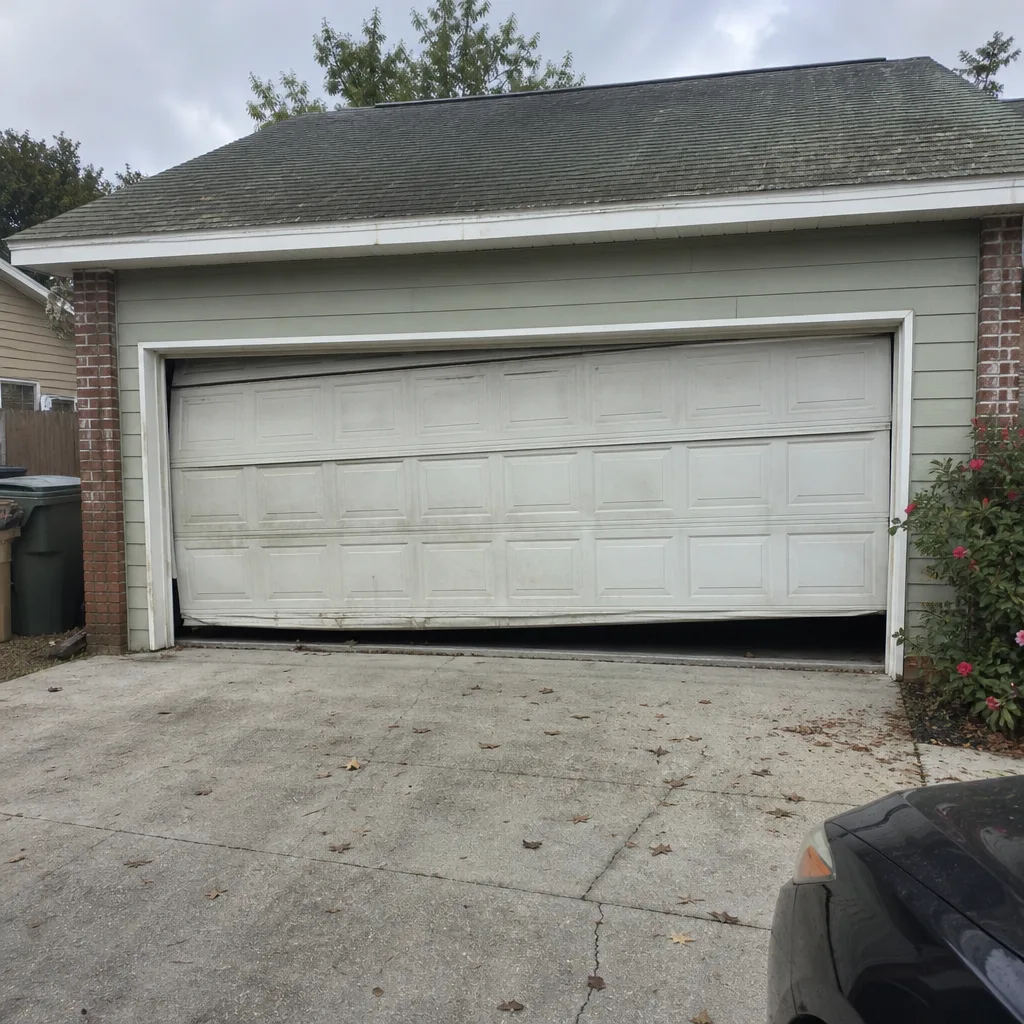 Before
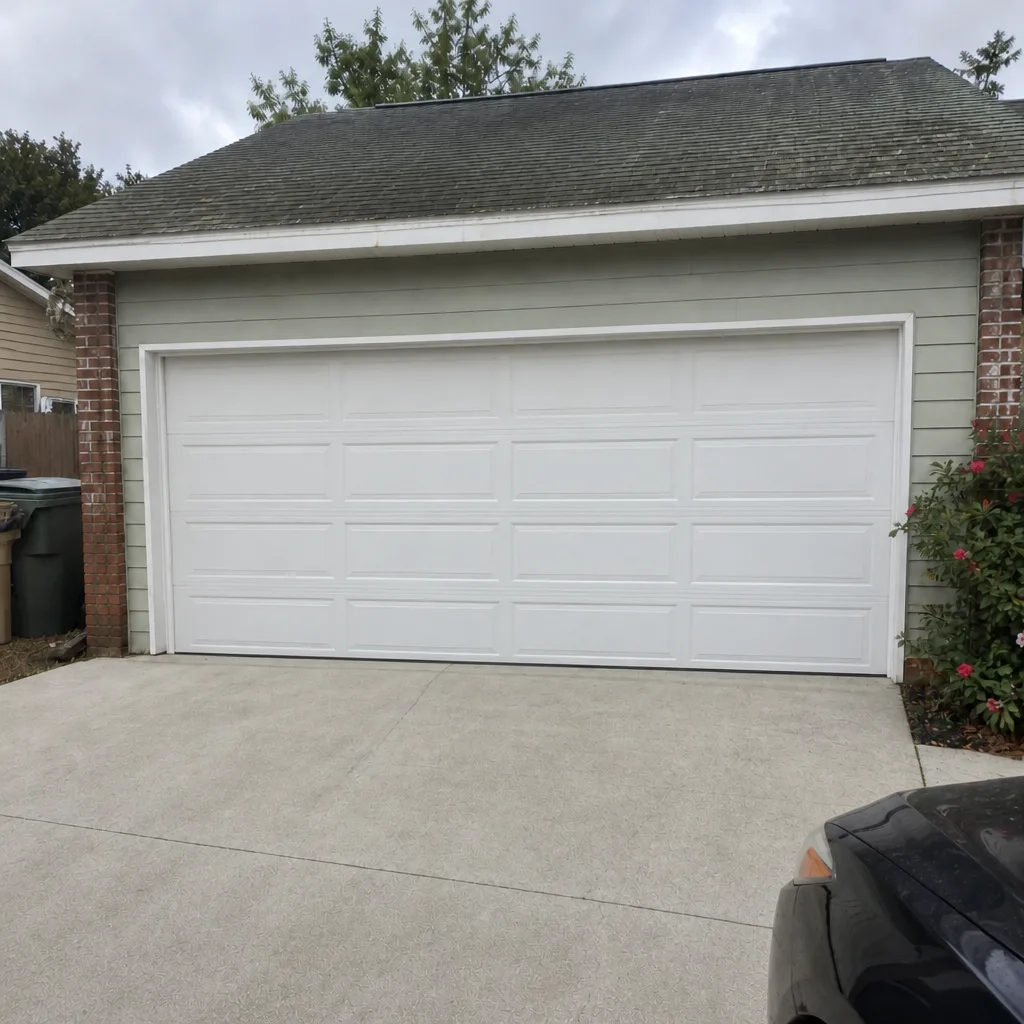 After
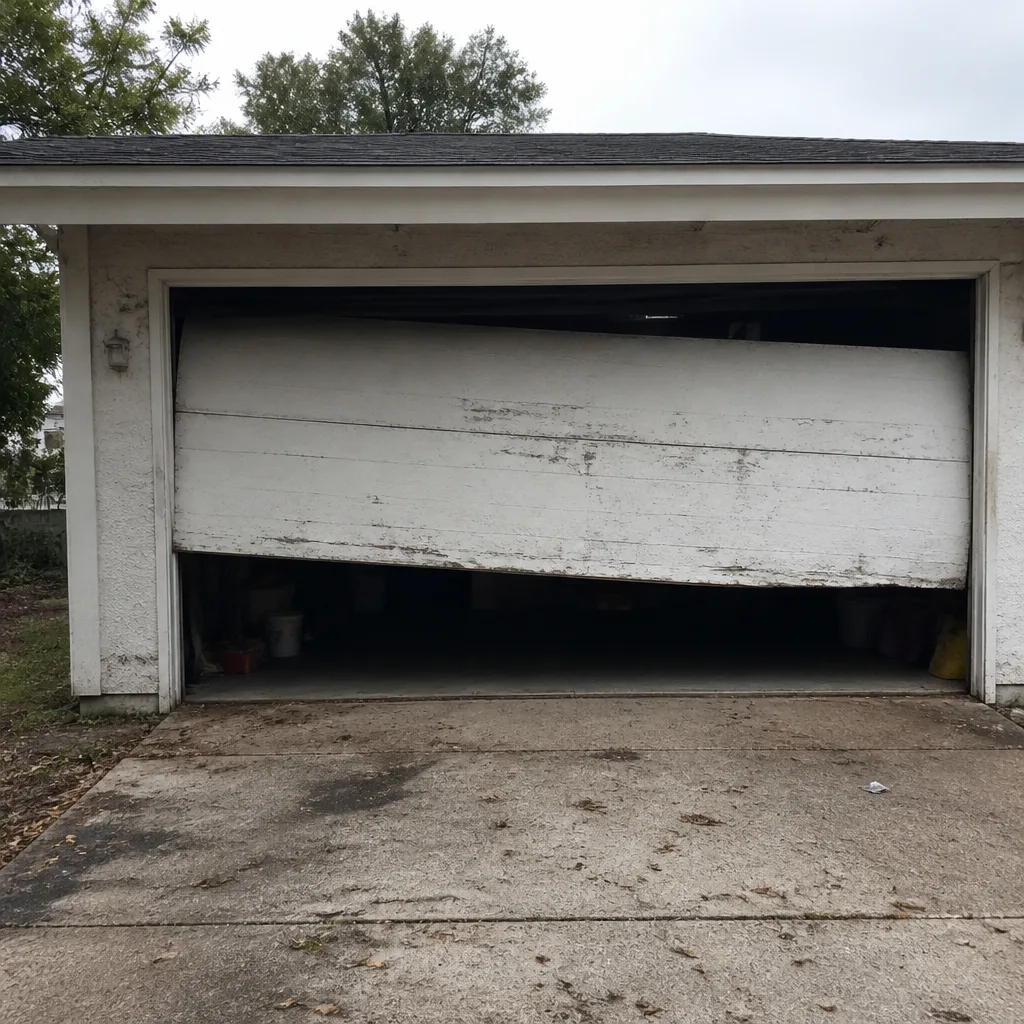 Before
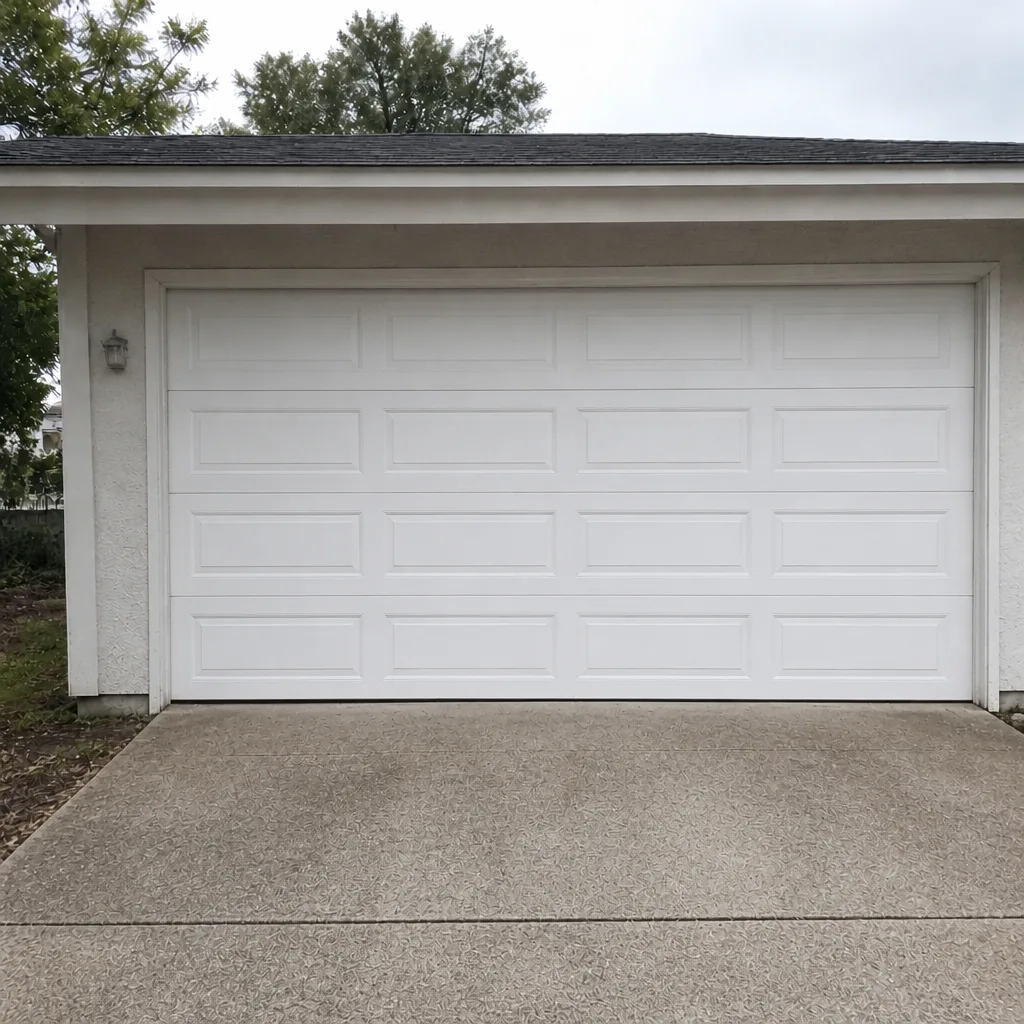 After
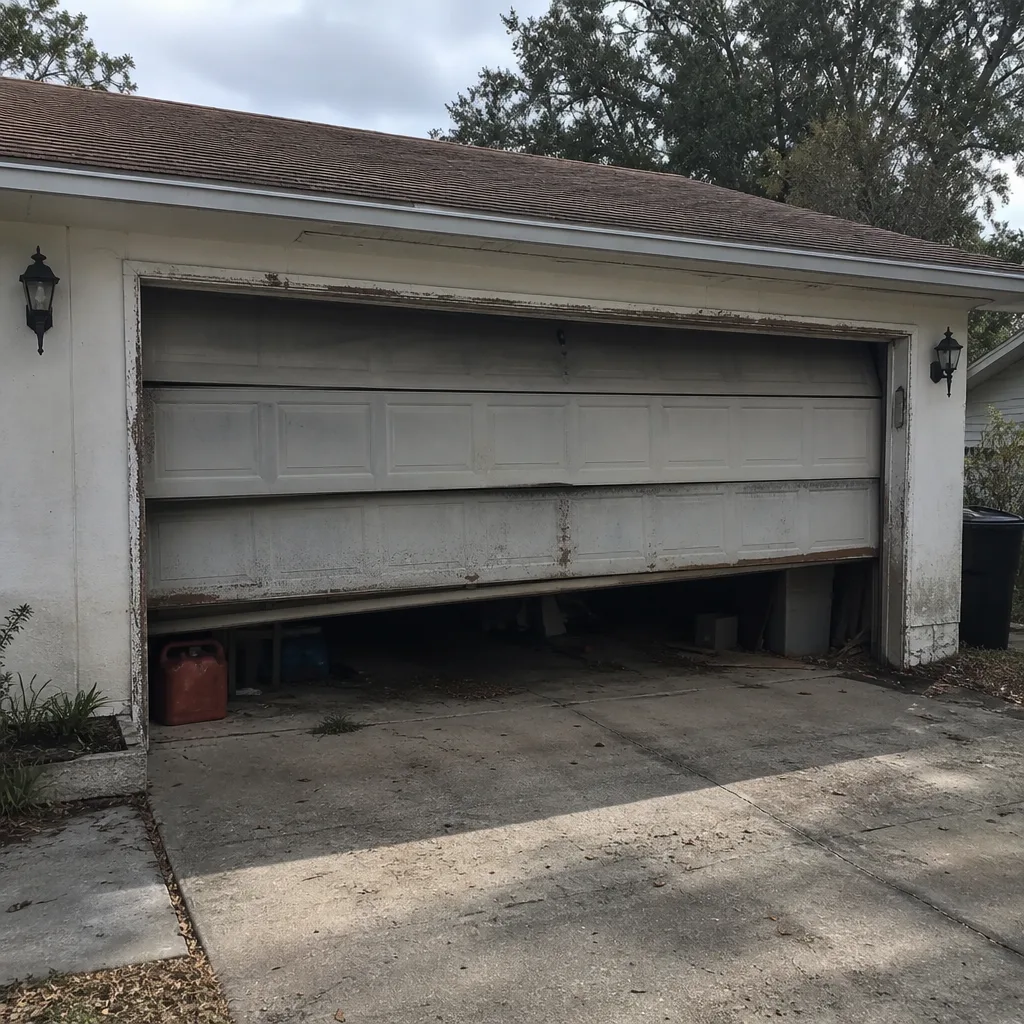 Before
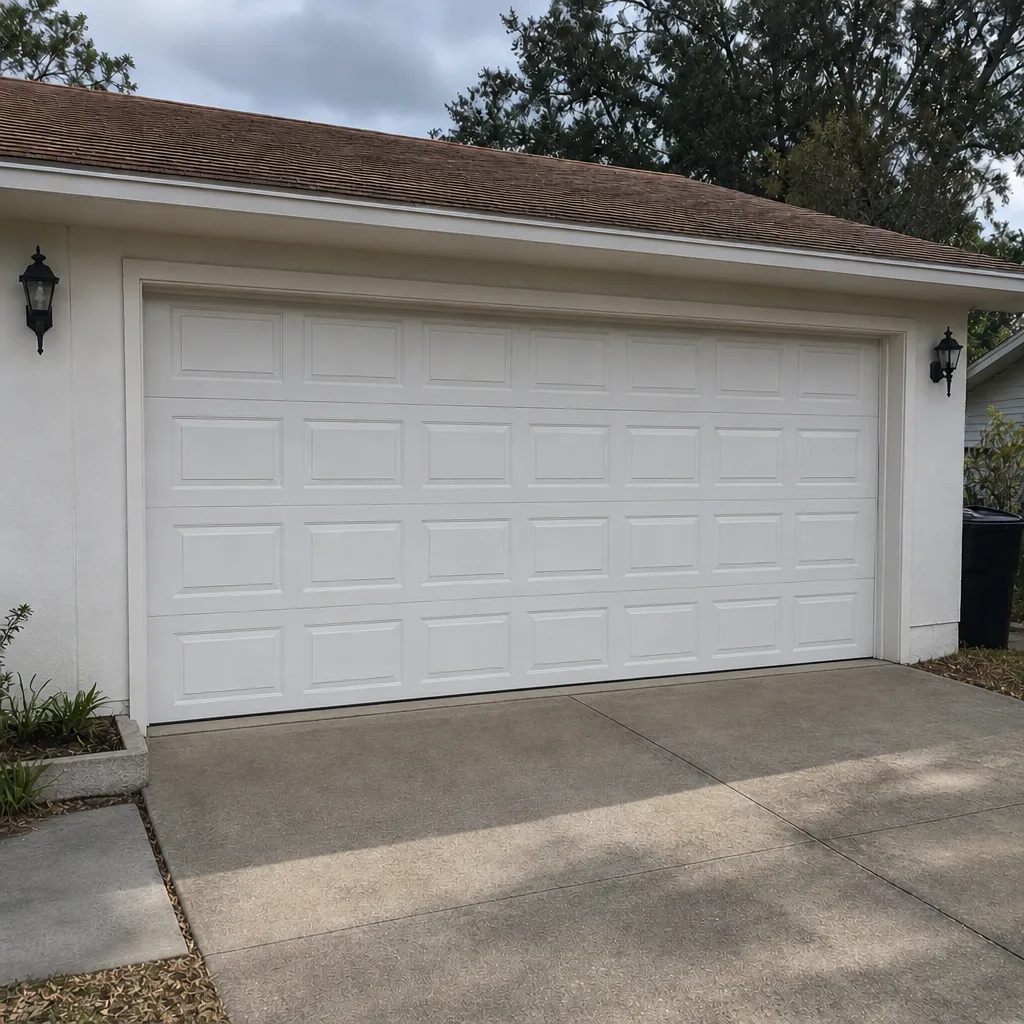 After