Last updated November 23, 2026
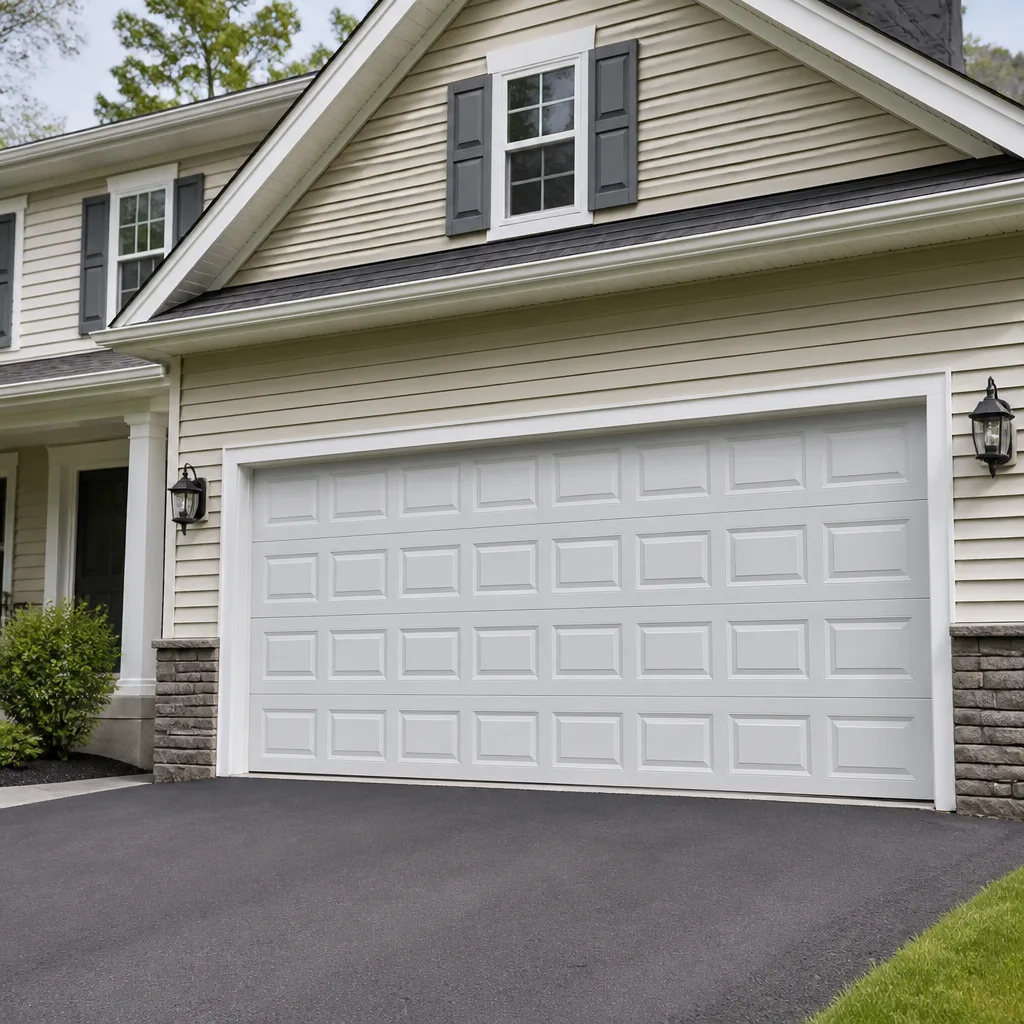 Raised-panel steel
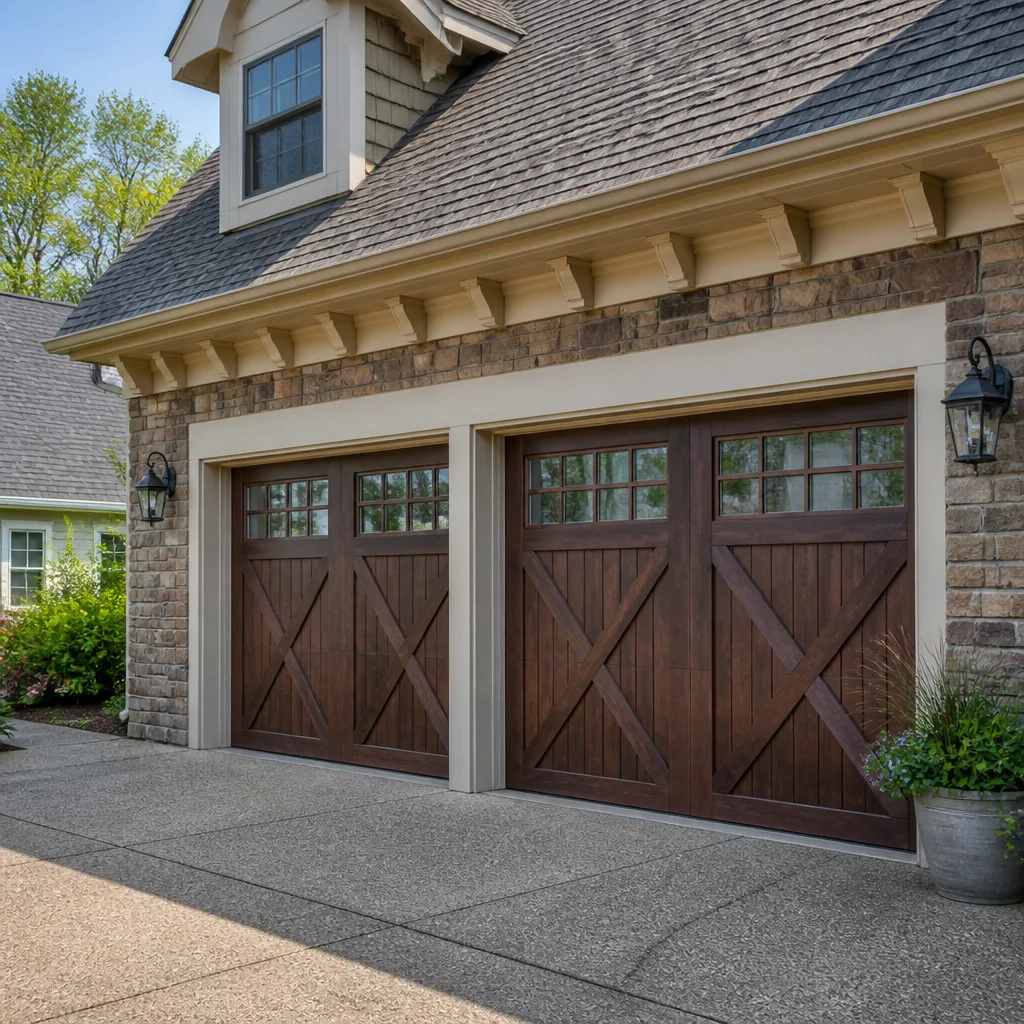 Carriage house
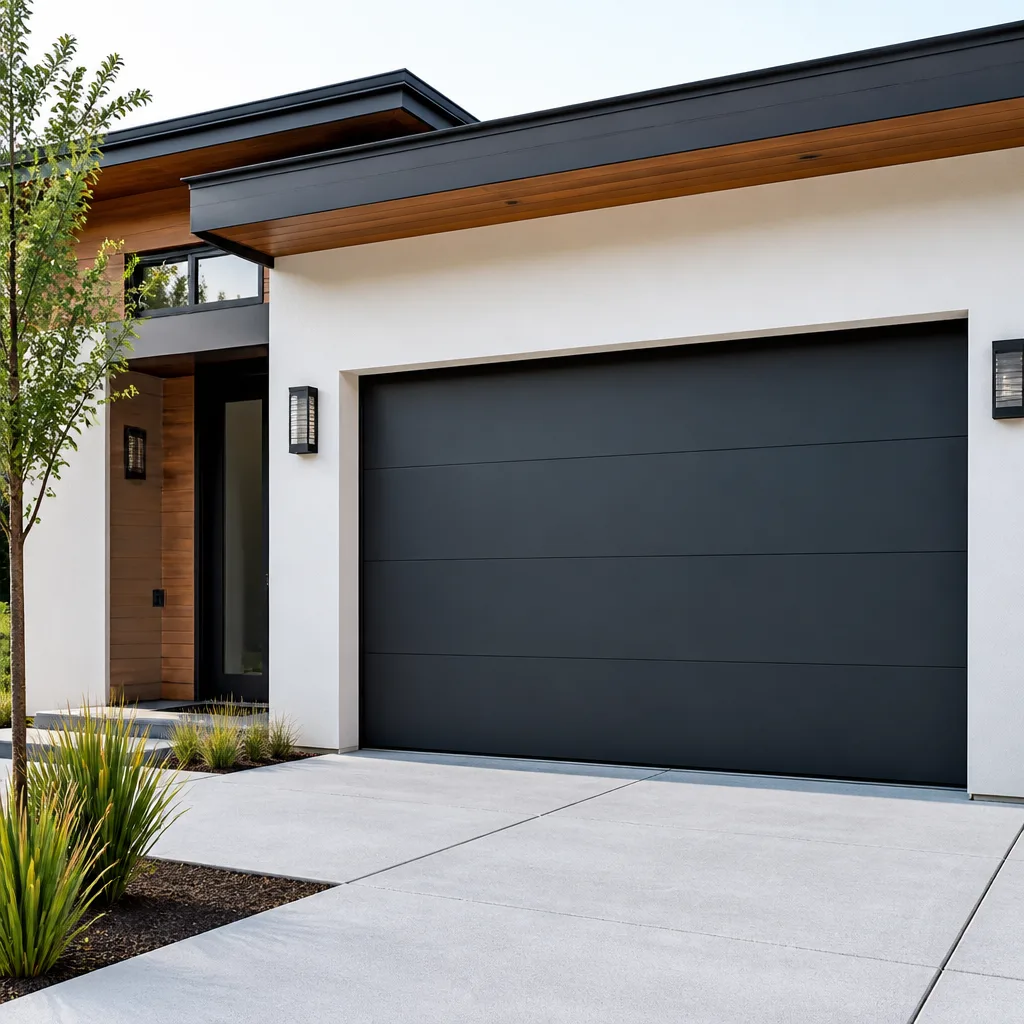 Modern flush
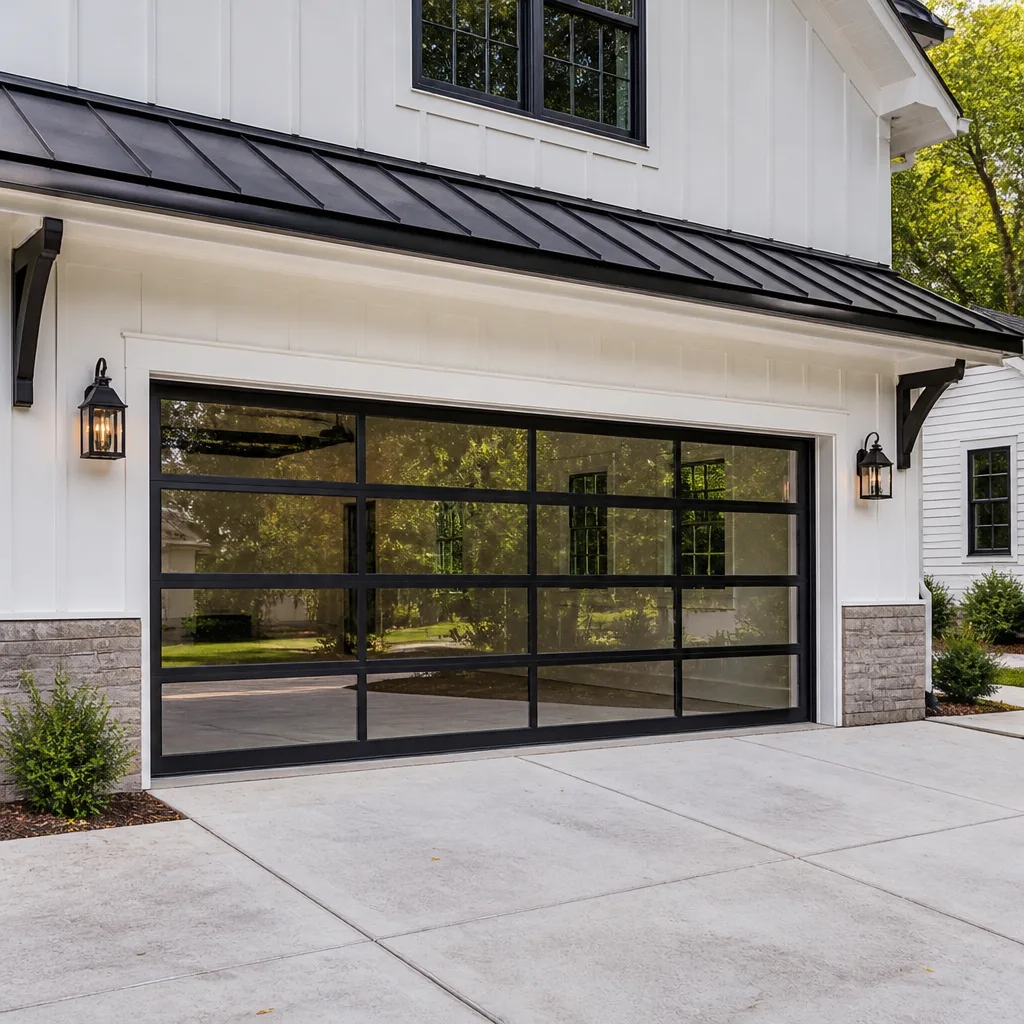 Full-view glass
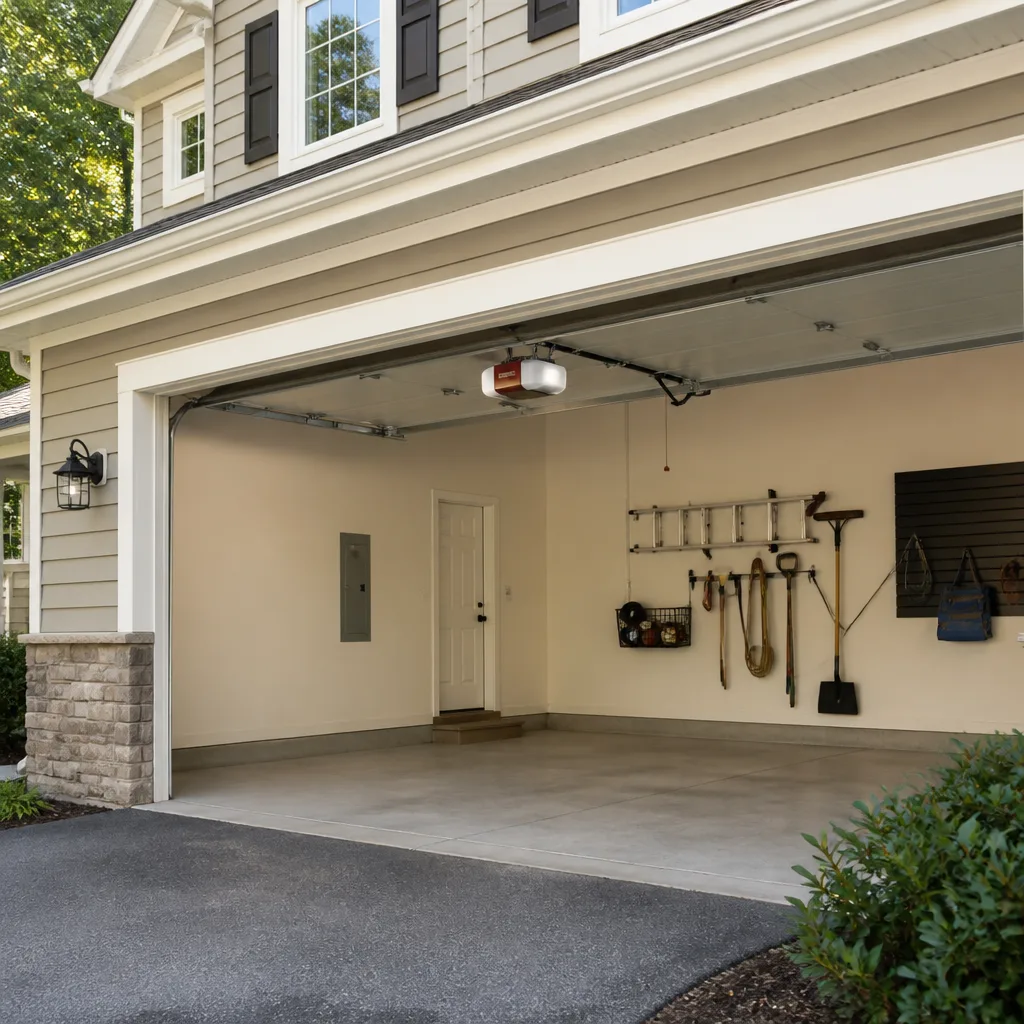 LiftMaster openers
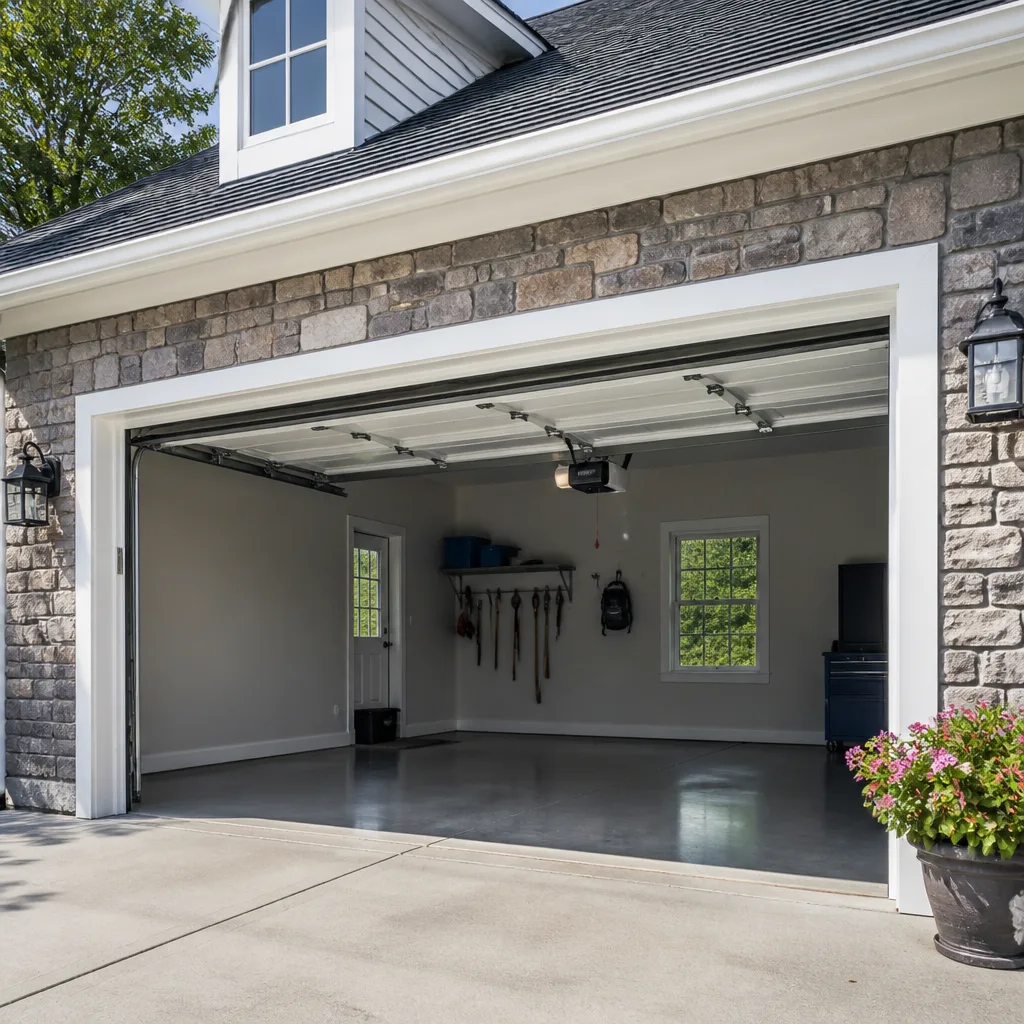 Chamberlain openers
Full 25-point door and opener safety check with every visit - springs, cables, rollers, tracks, and your LiftMaster or Chamberlain opener included
You get a price before we start. It does not change when the pro arrives.
Get your free estimateSeasonal Garage Door Care for Lakeside: Year-Round Homeowner’s Guide
Most garage door care checklists you find online were written for a four-season climate, and applying them in Lakeside means you’re prepping your door for weather it already survived, not the storm season that’s actually coming. The standard advice tells you to clear snow from the bottom seal and watch for freeze damage in January. Here in Lakeside, January is mild and the real pressure points land in late spring and deep summer, when hurricane prep and sustained humidity do the work that winter does up north. This guide reorganizes garage door maintenance around the rhythm that actually matters in Lakeside: a pre-hurricane push in May, a humidity watch through the summer, a post-storm inspection protocol, and a fall window for the heavy mechanical work. You’ll learn what to check, when to check it, and what to leave to a trained technician.
Quick Answer
Garage door care in Lakeside should follow two critical seasons, not four: a pre-hurricane checklist in May covering wind-load verification, bottom seal integrity, and a manual release test, and a summer humidity watch covering track alignment and hardware expansion. Spring replacement and major hardware upgrades fit best in the mild October to December window, and every named storm that passes through deserves a post-storm inspection even if the door looks fine.
Styles & brands we work with
- Raised-panel steel
- Carriage house
- Modern flush
- Full-view glass
- LiftMaster openers
- Chamberlain openers
Table of Contents
- Why Lakeside’s Climate Rewrites the Maintenance Calendar
- The May Pre-Hurricane Checklist
- Summer Humidity: How Heat Expansion Moves Your Tracks
- Post-Storm Inspection: What to Check After a Named Storm
- The Fall Window: Why October to December Is Spring Replacement Season
- Year-Round Opener Care in Florida Heat
- Lubrication and Hardware: A Lakeside Schedule
- Common Mistakes to Avoid
- When to Call a Professional
Why Lakeside’s Climate Rewrites the Maintenance Calendar
A garage door is a mechanical system, and mechanical systems respond to the conditions around them. In a cold climate, the dominant stressors are freezing temperatures and the repeated thaw that follows. In Lakeside, the stressors are different: months of sustained heat and humidity, a defined hurricane season that runs from June through November, and long stretches where the door sits in warm, moist air without a break. Those conditions wear a door in ways a northern checklist simply doesn’t address.
Heat is the quieter issue. Metal tracks, hinges, and springs all expand as temperatures climb, and they don’t expand at identical rates. A track that was perfectly plumb in February can develop a slight bow by August, which shows up as a door that drags, hesitates, or reverses before it closes. Humidity adds a second layer, because moisture in the air affects how lubricants hold up and how wood or composite panels behave over time.
Hurricane season is the louder issue. Wind load, seal integrity, and the ability to open the door by hand during a power outage are all things you want verified before a storm is on the radar, not the day before landfall. That’s the core insight for anyone living in Lakeside: your maintenance year has two peaks, not four gentle checkpoints. Get those two peaks right and the door behaves for the rest of the year.
If you’d rather have a trained eye walk the whole system once and tell you what needs attention, our Garage Door Repair Lakeside page is the place to start. We work on the equipment already in your garage rather than steering you toward a brand we’d prefer to sell.
The May Pre-Hurricane Checklist
May is the month to get ahead of hurricane season, and it’s the single most valuable maintenance window on the Lakeside calendar. The goal here isn’t to storm-proof the door; it’s to confirm the door is in the condition it was designed for and will behave predictably when wind and outages arrive. Work through these steps in order.
- Verify wind-load rating and door condition. Check the door’s rating label or documentation and confirm the door, its reinforcement struts, and its mounting hardware are all present and intact. A door rated for wind load only performs that way when every component that came with it is still in place.
- Inspect the bottom seal. Run a hand along the seal where it meets the floor. It should compress and rebound, not crumble or flatten permanently. A worn seal lets wind-driven rain and debris under the door and weakens the seal against pressure.
- Test the manual release. Pull the red release cord (with the door closed and the opener disconnected from power) and lift the door by hand. It should move smoothly with moderate effort. If it’s heavy, binds, or won’t stay up, the balance is off and needs professional attention before storm season.
- Check the tracks for loose fasteners. Loose lag bolts or brackets are a common weak point. Snug anything that’s backed out, but don’t over-torque older hardware.
- Confirm the photo-eye safety reversal still works. With the door closing, pass an object through the beam. The door should reverse immediately.
None of these steps require special tools, but the manual release test is where we most often find doors that have quietly gone out of balance. If yours is heavy or won’t stay open, don’t force it; that’s a sign the springs need professional evaluation, and a door that won’t hold itself up is a hazard to anyone standing under it.
Summer Humidity: How Heat Expansion Moves Your Tracks
Through June, July, and August, Lakeside settles into sustained heat and humidity, and this is when a door that was fine in spring starts to act up. The mechanism is straightforward: metal expands with heat, and a vertical track that’s mounted to a wall on two ends can’t expand evenly, so it bows slightly in the middle. When the track bows, the rollers bind, and the door stutters or drags on its way up or down.
What to watch for in the peak summer months:
- A door that hesitates at the same point on every cycle, which usually points to a specific track or roller.
- Grinding, scraping, or a rhythmic thump that wasn’t there in cooler weather.
- The door reversing before it reaches the floor without an obvious obstruction.
- Squealing or groaning at the hinges, which often means the lubricant has broken down in the heat.
- Visible gaps between the door and the weatherstripping that open up only in warm weather.
Track alignment isn’t something to fix with a hammer and a guess. A track that’s out of plumb is usually only off by a fraction of an inch, and the correction has to be made with the door’s weight supported and the torsion system de-tensioned. That’s a technician’s job. What you can do at home is keep the tracks clean and dry, wipe off grit that collects on the rollers, and note when and where the door hesitates so a technician can go straight to the problem. If yours is already dragging, our garage door repair service handles track realignment and roller replacement.
Post-Storm Inspection: What to Check After a Named Storm
A door can look perfectly fine after a storm and still be out of adjustment, so a quick walk-through in the days afterward is worth the ten minutes it takes. Storms flex the door panels, shift the mounting hardware, and can push water into places it doesn’t belong. Run through this protocol once the weather has clearly passed and it’s safe to be outside.
- Look at the door from a few steps back. Does it sit square in the opening, or is one corner sagging? A door that was true before the storm and looks tilted now has shifted on its hardware.
- Open and close it manually first. Disconnect the opener and cycle the door by hand. It should move the same way it did before the storm.
- Check the panels and struts for dents, cracks, or separation. Even minor impact damage can change how the door rides in its tracks.
- Inspect the tracks and hinges for debris. Sand, leaves, and grit lodged in the tracks will wear rollers fast.
- Look at the bottom seal and weatherstripping for tears or areas that pulled loose from wind.
- Test the opener and safety reversal. If the power was out, confirm the opener re-engaged properly and the photo-eye is aligned.
- Watch for water intrusion inside the garage near the door opening, which points to a seal or threshold issue.
If anything feels off, don’t keep cycling the door hoping it settles. A door that’s out of alignment after a storm puts uneven load on the springs, and repeated cycles in that condition wear them faster. If the door is stuck open or won’t open at all, that’s a security and access problem, and our emergency garage door service exists for exactly those situations.
The Fall Window: Why October to December Is Spring Replacement Season
Most people think of spring as the season for big mechanical work, but in Lakeside the smart window is October through December. The heat and humidity have eased, the hurricane season is winding down, and the door has just come through its hardest stretch of the year. That combination makes fall the natural time to replace springs, upgrade hardware, or plan a bigger job.
There’s a practical reason too. Spring replacement is a measured, scheduled job: the technician has to identify the exact spring type and wire gauge, match the cycle rating to your door’s weight, and confirm the balance after installation. It’s not a same-day emergency call, and it isn’t something to rush in the middle of July heat. Scheduling it in the milder months gives you a comfortable working window and leaves the door fresh for next year’s storm season.
What’s worth doing in this window:
- Replacing torsion or extension springs that are near the end of their cycle life.
- Upgrading to higher-cycle springs if the door gets heavy daily use.
- Replacing rollers, hinges, and bearings that have worn through the summer.
- Refreshing weatherstripping and the bottom seal before the spring rains.
- Having the opener serviced or the battery backup tested.
- Considering a new door if the current one has storm damage or repeated panel issues.
High-tension springs are the one part of your door you should never work on yourself. Torsion springs store tremendous energy, and a spring under tension can cause serious injury in an instant if it’s handled incorrectly. Our garage door spring repair service is built around that safety reality: springs are a trained-technician job, not a weekend project.
Year-Round Opener Care in Florida Heat
The opener motor lives in the hottest part of the garage, often in an attic-adjacent ceiling space, and it runs through a summer of sustained high temperatures. That environment shortens the working life of the electronics and stresses the battery in a backup system. A little care through the year keeps it reliable when you need it most.
Ventilation matters more than people realize. A garage that sits closed all summer traps heat, and the opener runs hotter than it would in a shaded spot. Cracking the garage door or a side vent during the day helps, provided you aren’t leaving the space insecure. Clean the vents on the opener housing itself so it can shed heat, and clear any debris that’s collected around the motor unit.
Battery backup is worth checking before hurricane season, not during. A backup battery that’s spent a summer in high heat loses capacity faster than one in a cooler climate. Test it by unplugging the opener and cycling the door a few times; if it struggles or won’t lift the door, the battery needs replacement. That test belongs on your May checklist alongside the manual release.
The opener’s safety systems deserve regular attention too. The photo-eye sensors should be clean and aligned, and the reversal test should pass every month. If your opener is a LiftMaster, Chamberlain, or Genie unit, we know those systems well and can usually tell you what’s wrong from the symptoms. When the opener itself starts acting up, our garage door opener repair service covers motor, logic board, sensor, and remote issues across the major brands.
Lubrication and Hardware: A Lakeside Schedule
Lubrication is the cheapest maintenance you can do, but timing it to the Lakeside climate makes it more effective. In sustained heat, lubricant thins and migrates, so a schedule built around the seasons lasts longer than a once-a-year pass.
- Early May, before storm season: lubricate hinges, rollers, and the torsion spring (never the tracks), and check that the tracks are clean.
- Mid-summer, when heat peaks: a light reapplication at the hinges and rollers if you hear squealing or the door sounds dry.
- October, at the start of the fall window: a full lubrication pass alongside any hardware work.
Use a garage-door-specific lubricant, not general-purpose grease, and don’t lubricate the tracks; they’re meant to stay clean and dry so the rollers can track without slipping. Check that all hinges, brackets, and bolts are snug, and listen for changes in how the door sounds. A door that used to be quiet and now rattles is telling you something has worked loose.
Common Mistakes to Avoid
- Following a four-season checklist in a two-season climate. If you’re clearing snow and watching for frost, you’re prepping for weather Lakeside doesn’t get while ignoring the hurricane and humidity seasons it does.
- Treating the manual release test as optional. A door that won’t open by hand during a power outage is an access problem and a safety concern, and it’s only discovered at the worst possible moment.
- Ignoring track alignment symptoms through the summer. A slight drag in July usually gets worse by August, and small misalignments wear rollers and springs faster.
- Skipping the post-storm inspection because the door looks fine. Panel flex and hardware shift often don’t show up until the door is cycled under load.
- Attempting spring work yourself. Torsion springs are under extreme tension and can injure you instantly if handled wrong. This is the one job to leave to trained technicians.
- Replacing springs in the middle of hurricane season. Scheduling the work during the fall window gets it done with less heat stress and less chance the job gets interrupted by a storm.
- Forgetting the opener battery until the power is out. A backup battery that’s sat through a hot summer may not lift the door when you actually need it.
When to Call a Professional
Some maintenance belongs in your hands, and some doesn’t. Call a technician if the door won’t stay up when you lift it by hand, if the spring looks stretched or has a visible gap, if the door comes down crooked or reverses without an obstruction, or if you’ve noticed a cable that’s frayed or off its drum. Those are load-bearing failures, and they get worse with every cycle. Call after any named storm if the door looks out of square or won’t cycle normally. And call if the opener runs but the door doesn’t move, or if you hear a grinding noise from the motor.
Garage Door Repair Lakeside offers free estimates in Lakeside, and our technicians have up to 11 years of experience working across LiftMaster, Chamberlain, Genie, and the other major brands. Call (877) 492-4021 and we’ll take a look.
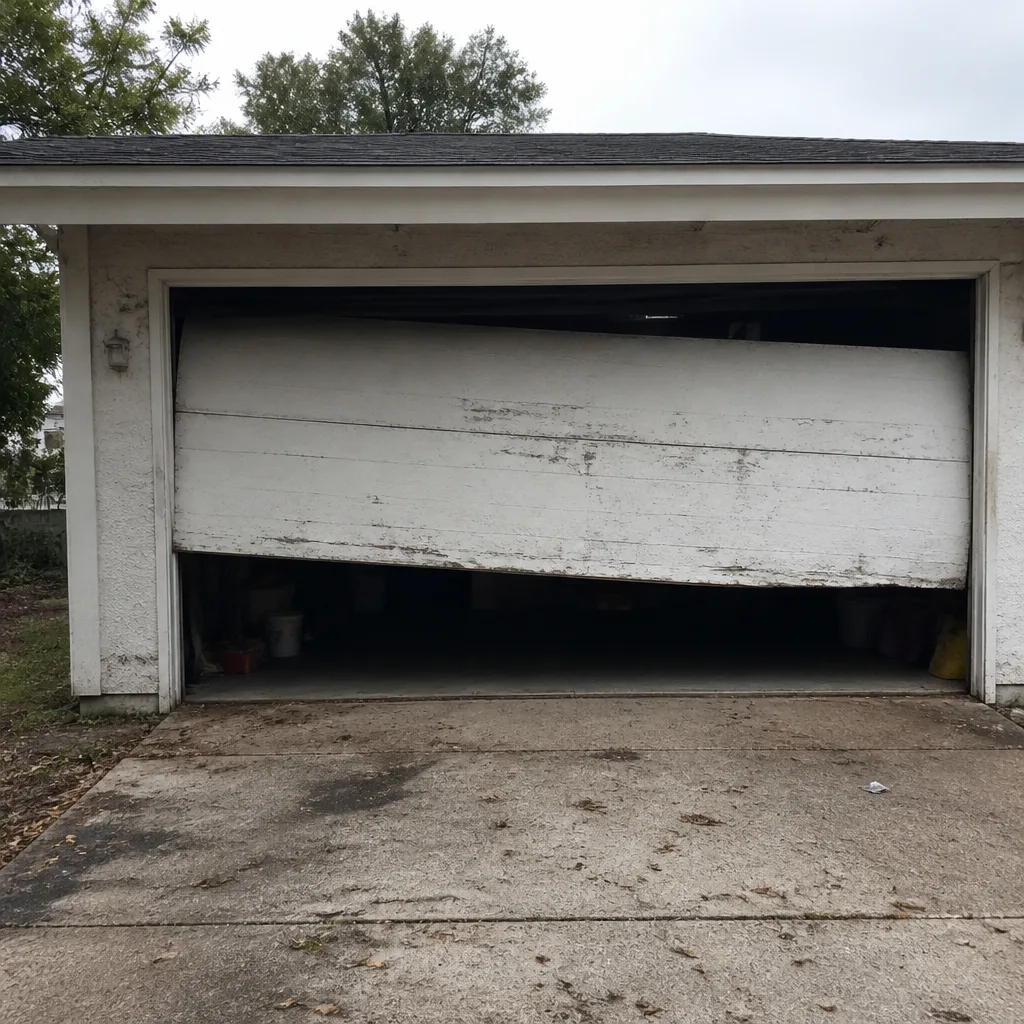
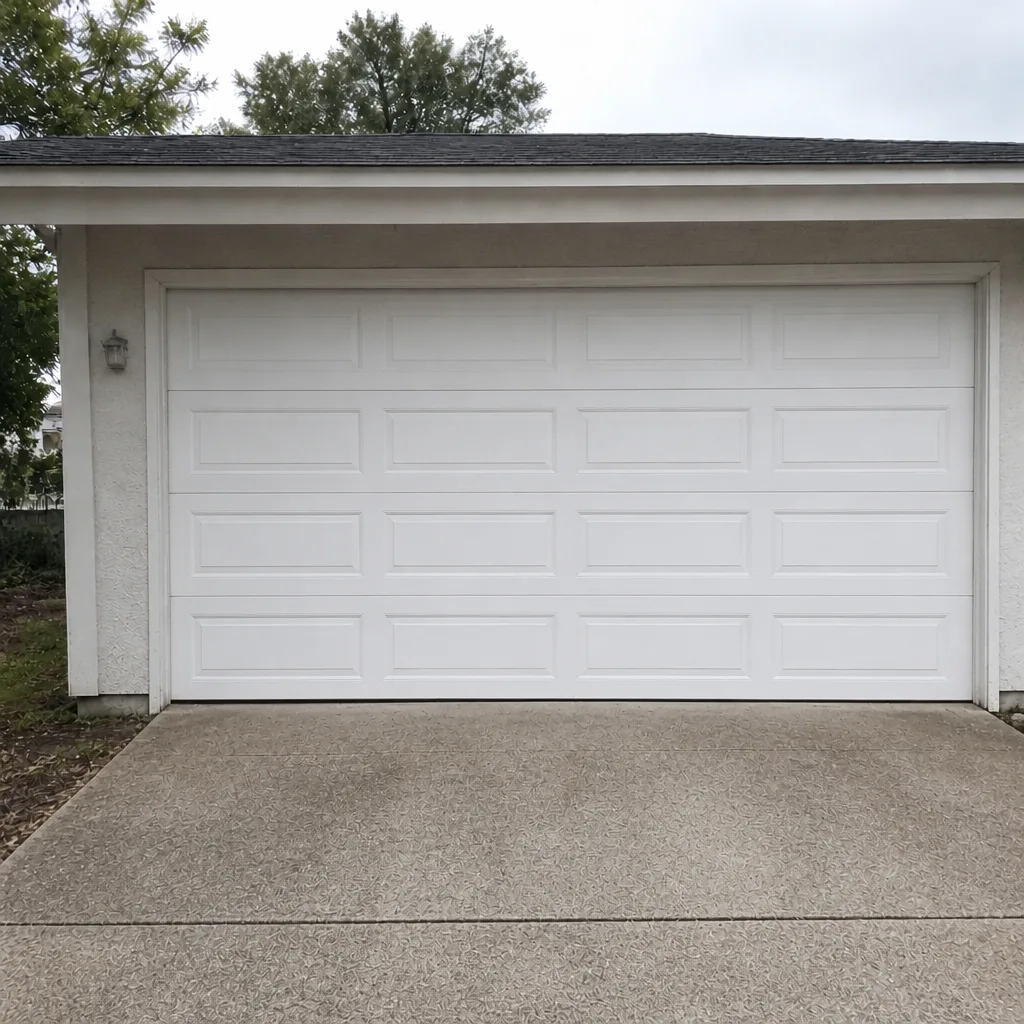
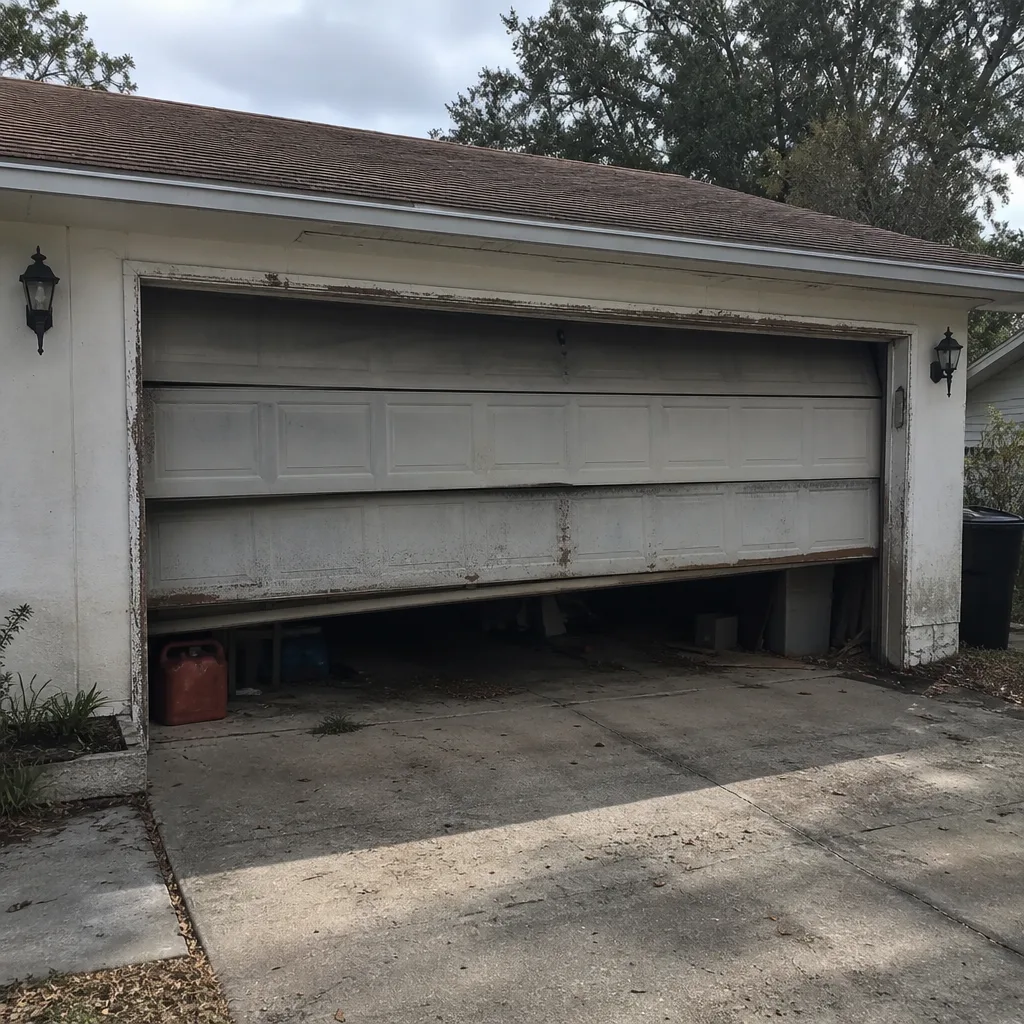
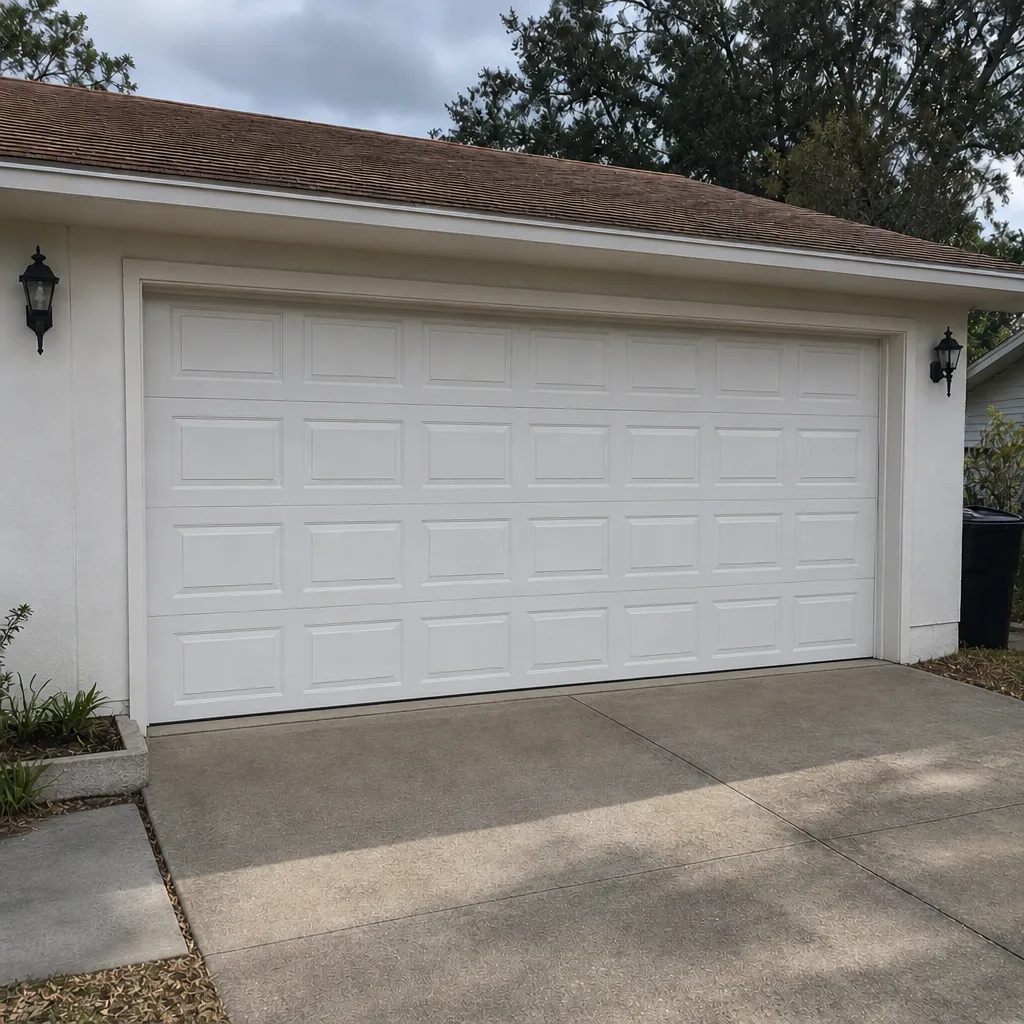
See the difference
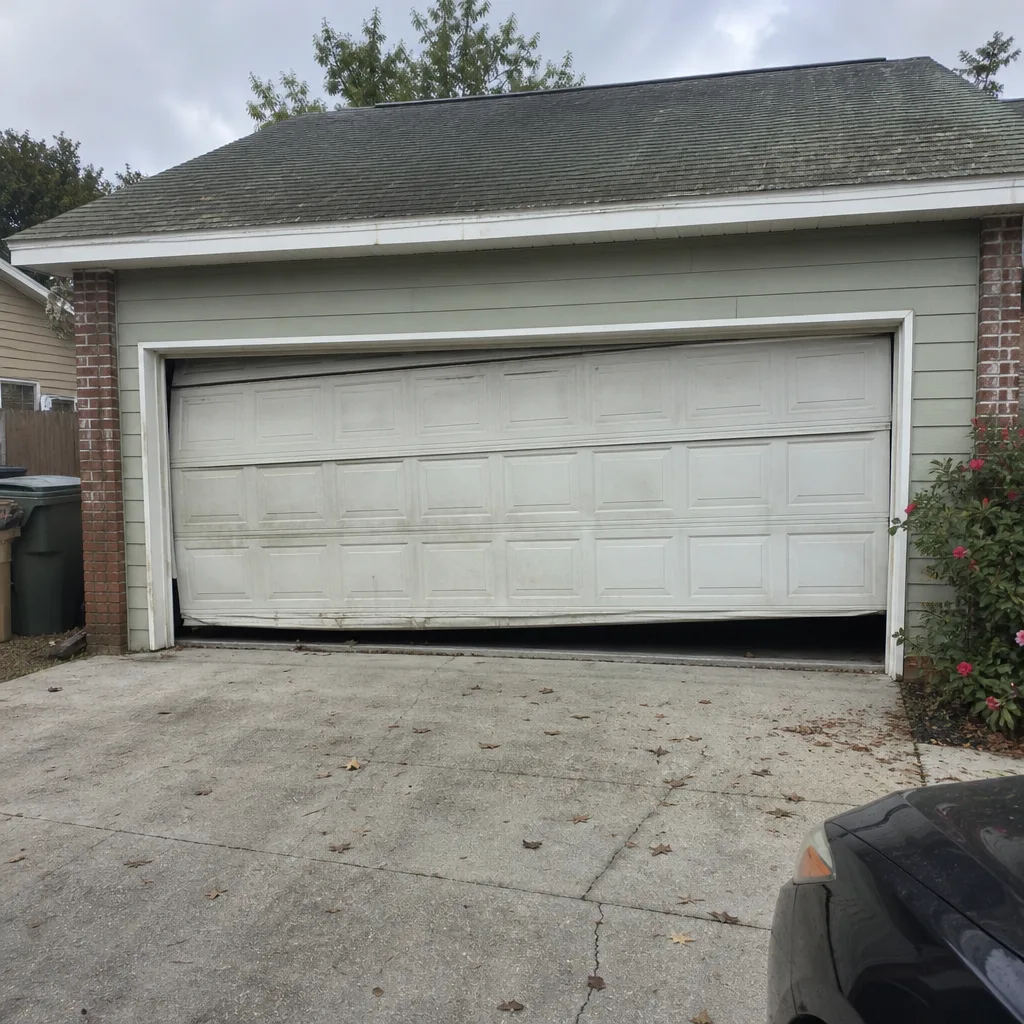 Before
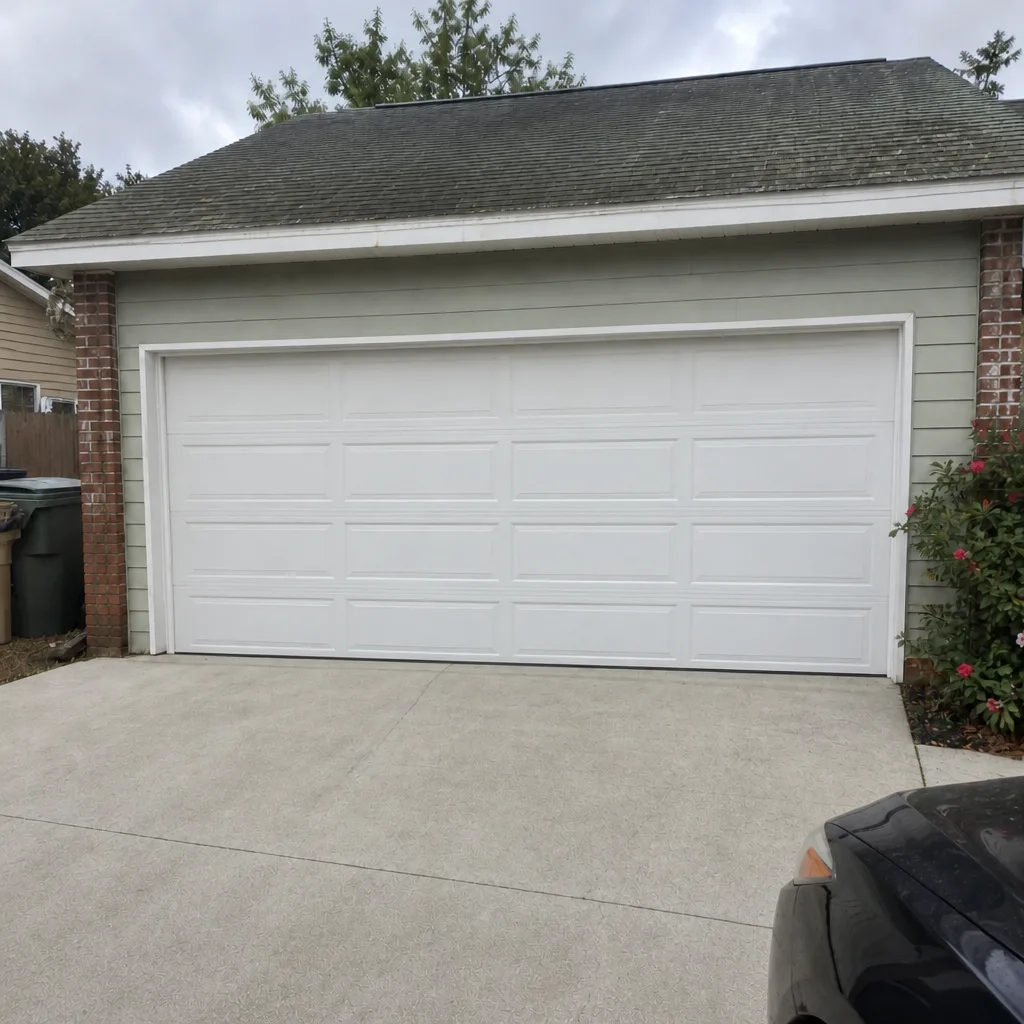 After
 Before
 After
 Before
 After
Frequently Asked Questions
May is the most important month, because it’s your last comfortable window before hurricane season and it’s when the pre-storm checklist does the most good. That’s when you verify wind-load condition, inspect the bottom seal, test the manual release, and check that the opener’s battery backup will work during an outage.
Yes. Sustained heat causes metal tracks and hardware to expand unevenly, which can bow a track slightly and make the door drag or hesitate. You’ll notice it as a door that stutters at the same point on every cycle, or a rhythmic scraping that wasn’t there in cooler weather. Track realignment is a technician’s job, but noting when and where it happens helps us go straight to the problem.
Yes, and it takes about ten minutes. Storms can flex panels, shift mounting hardware, and push debris into the tracks without obvious visible damage. Cycle the door by hand with the opener disconnected, check the panels and tracks for damage, and test the opener’s safety reversal. A door that’s quietly out of alignment puts extra load on the springs.
October through December is the best window. The heat and humidity have eased, hurricane season is winding down, and the door has just come through its hardest stretch of the year. Spring replacement is a measured, scheduled job, so the milder months are the practical time to get it done without rushing in peak summer heat.
Three times a year works well in this climate: once in early May before storm season, a light pass in mid-summer if the door sounds dry, and a full pass in October. Use a garage-door-specific lubricant on the hinges, rollers, and spring, and leave the tracks clean and dry.
We work on LiftMaster, Chamberlain, Genie, and the other major brands and can usually diagnose a problem from the symptoms. If your opener isn’t on that list, call us and we’ll tell you whether we can service it rather than guess. For anything we can handle, call (877) 492-4021 for a free estimate.
The Bottom Line
Lakeside doesn’t run a four-season maintenance calendar, and treating it like one means doing the wrong work at the wrong time. Your two critical windows are May, when the pre-hurricane checklist protects your door before storm season, and October through December, when spring replacement and hardware upgrades belong. Between them, watch for summer heat expansion and run a post-storm inspection after every named storm, even if the door looks fine. Keep the opener’s battery backup tested, lubricate on a heat-aware schedule, and leave spring work to a trained technician. Get those habits in place and your door will stay reliable through every season Lakeside throws at it.
If you’d like a professional to walk your system once and tell you what needs attention, Garage Door Repair Lakeside offers free estimates in Lakeside. Call (877) 492-4021 for a free estimate and we’ll take a look.
Written by the team at Garage Door Repair Lakeside.