Last updated November 23, 2026
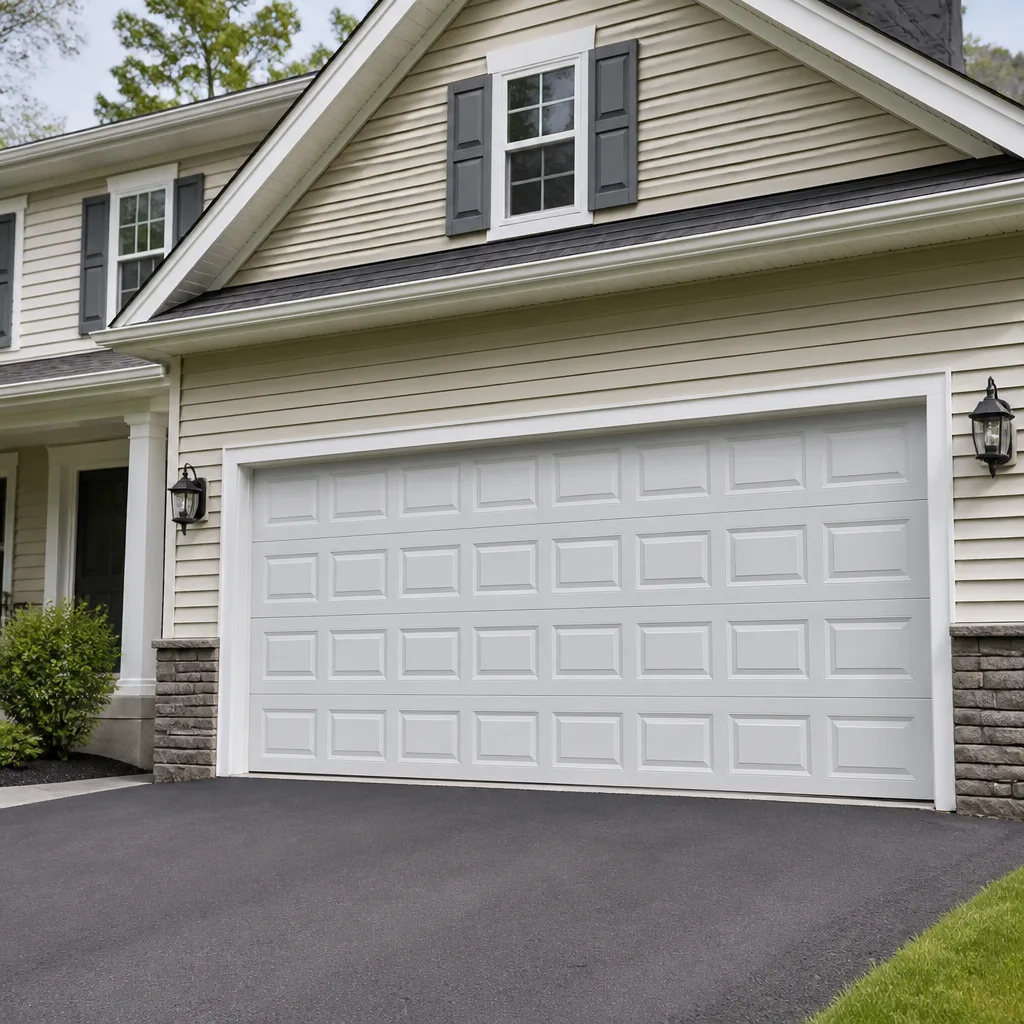 Raised-panel steel
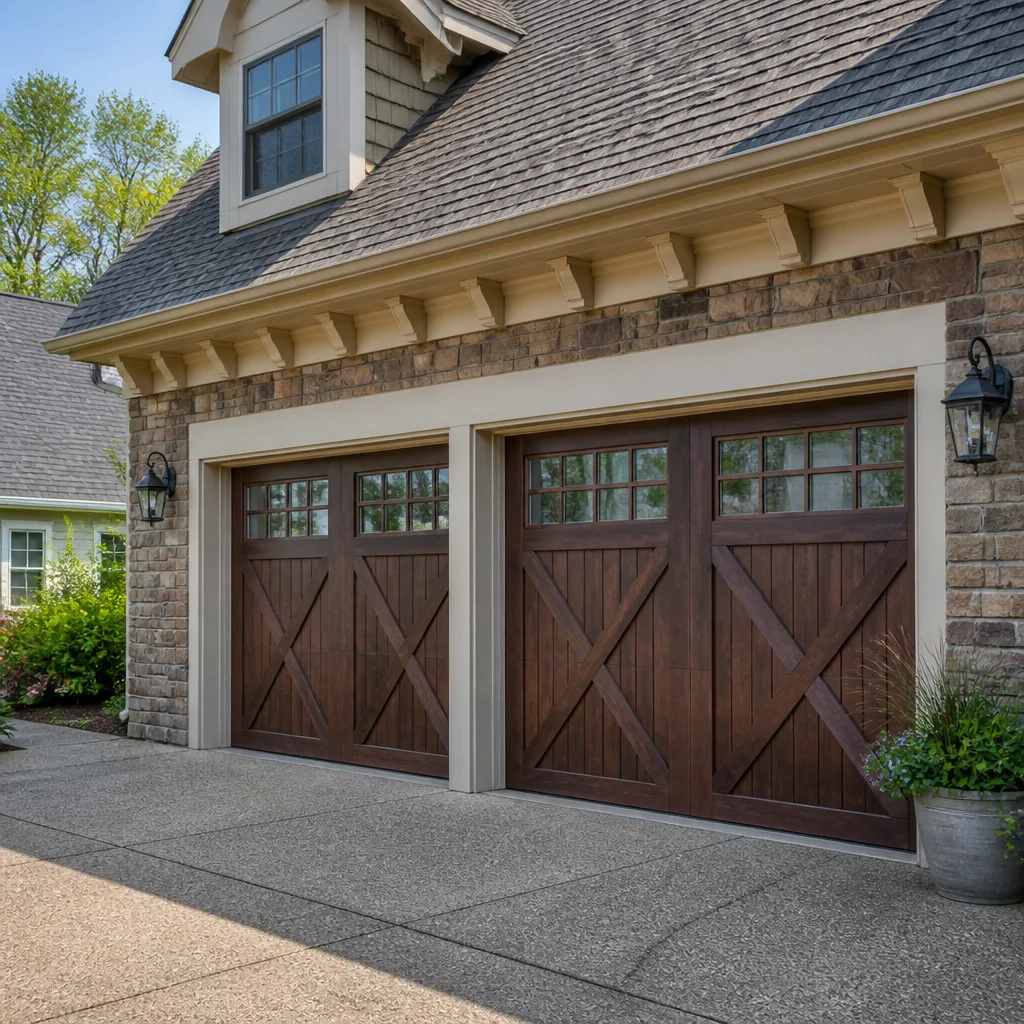 Carriage house
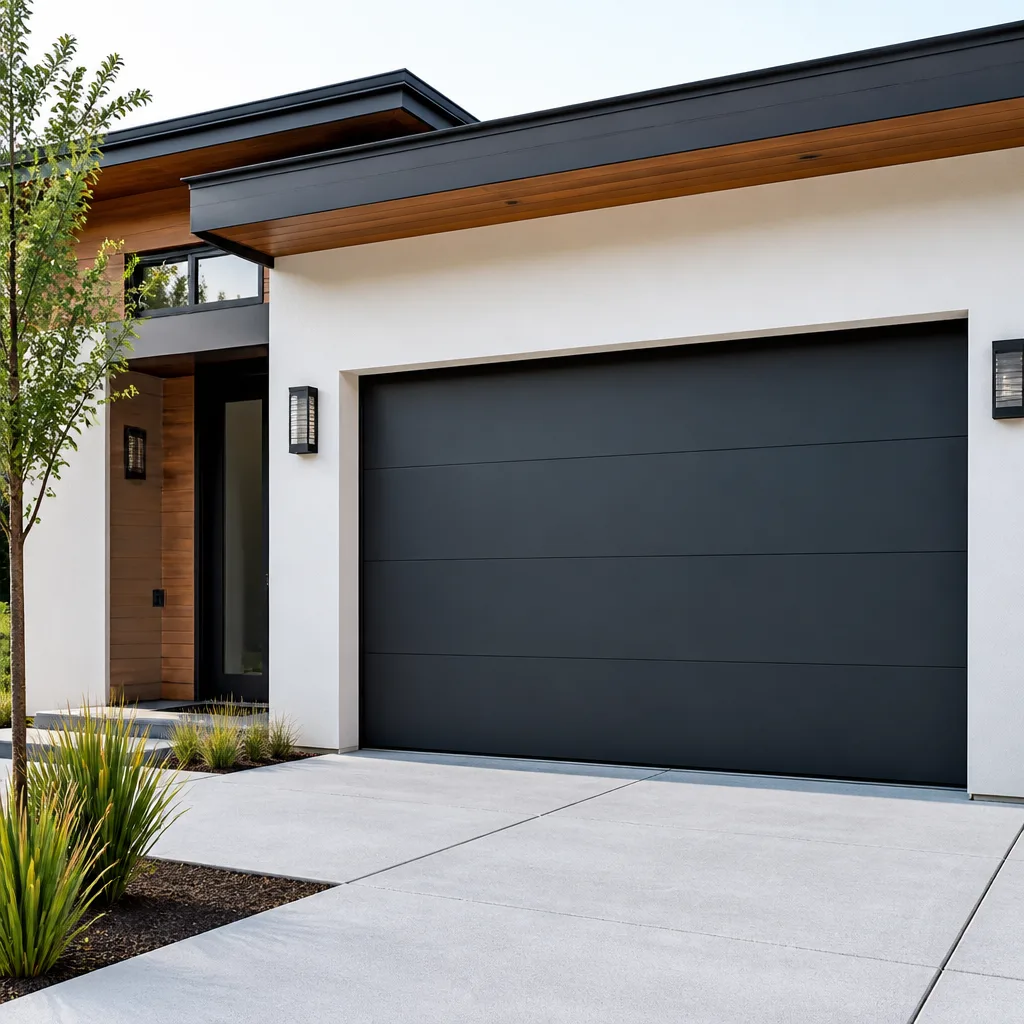 Modern flush
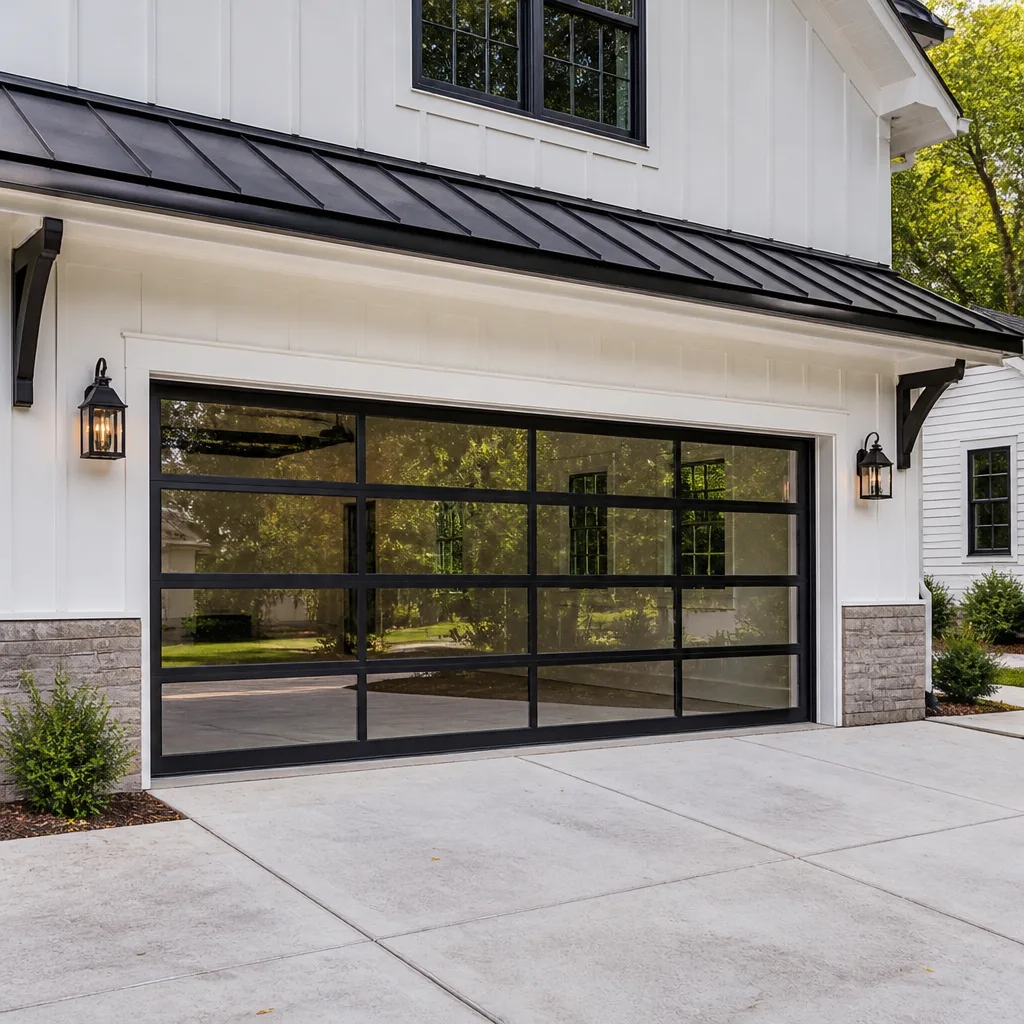 Full-view glass
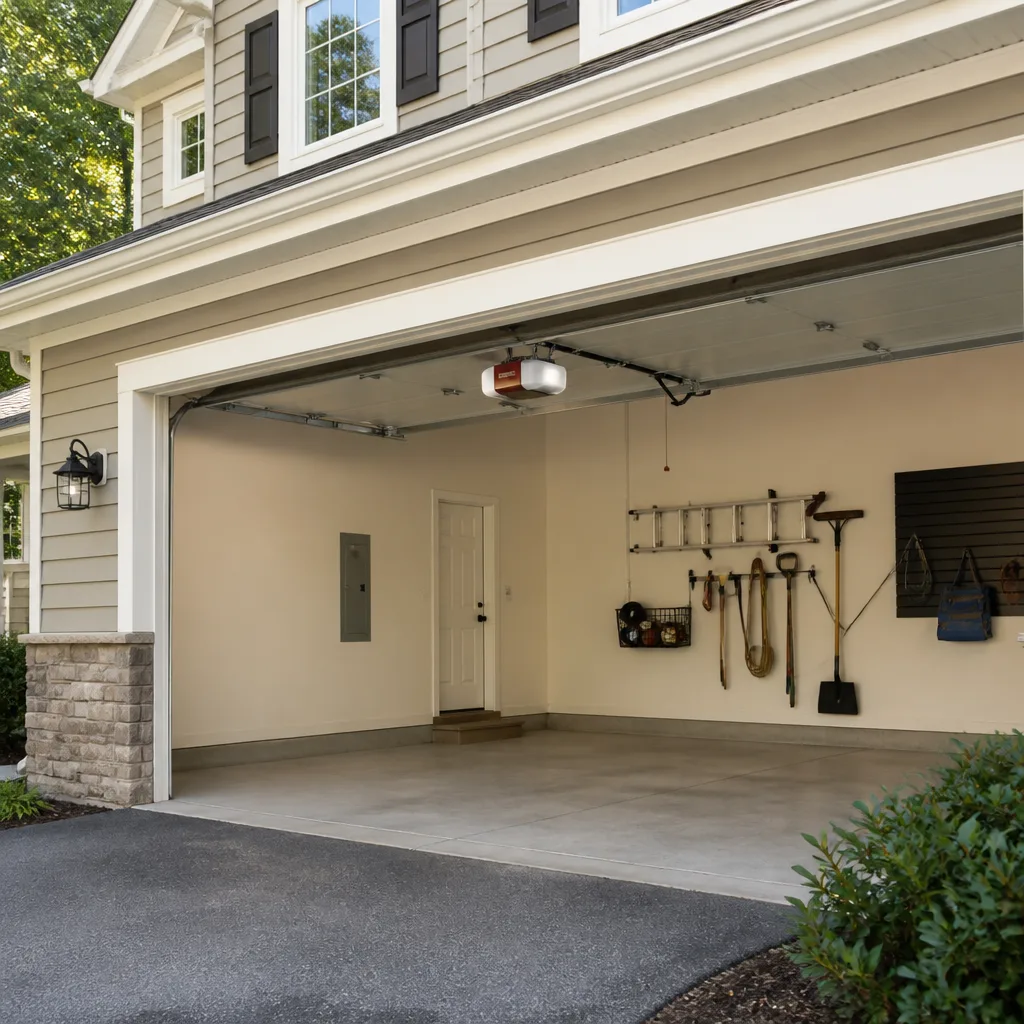 LiftMaster openers
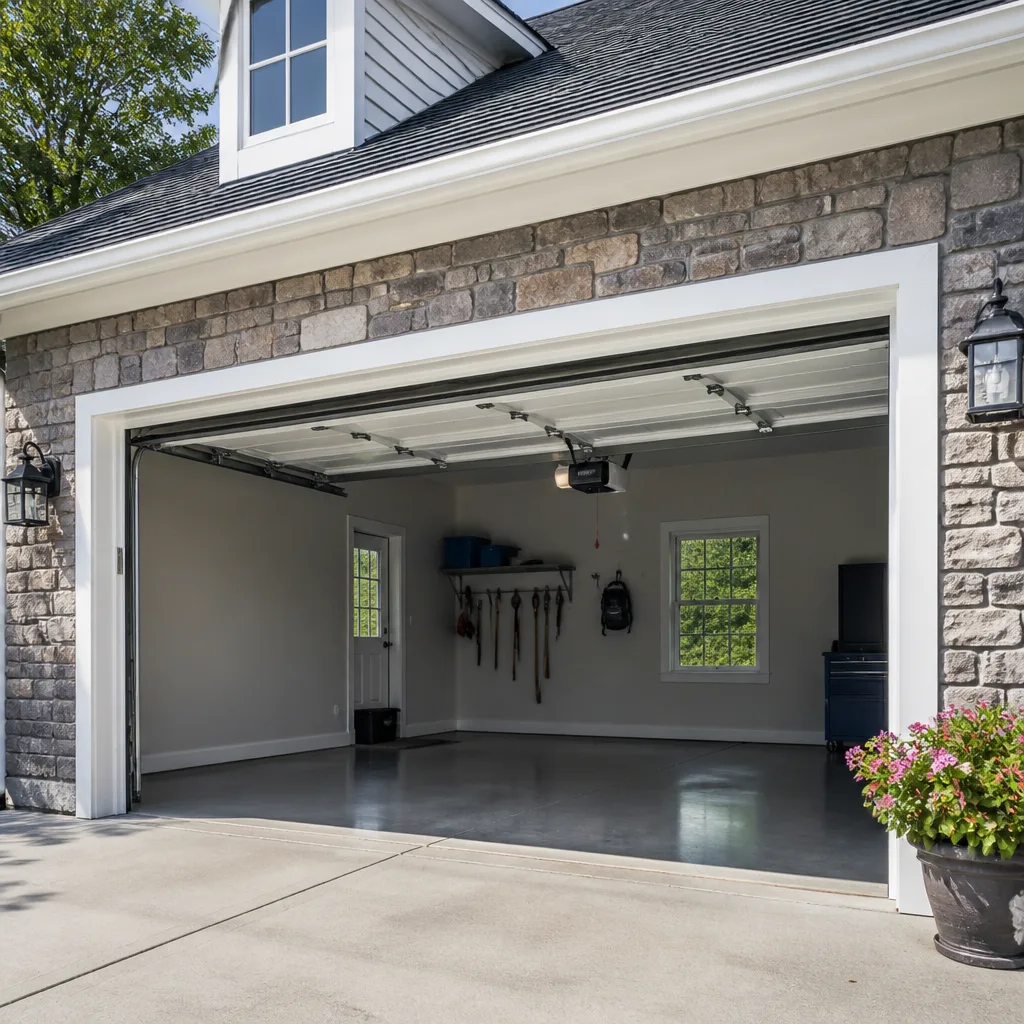 Chamberlain openers
Full 25-point door and opener safety check with every visit - springs, cables, rollers, tracks, and your LiftMaster or Chamberlain opener included
You get a price before we start. It does not change when the pro arrives.
Get your free estimateThe Complete Guide to Garage Doors in Lakeside
Most homeowners pick a garage door based on looks, then discover Florida’s wind-load requirements just changed everything about the permit and the warranty. In Lakeside, a garage door is a regulated building component before it’s a design choice. Every door installed here needs a Florida Product Approval number, and not every door sold online or at a big-box store has one. This guide walks you through how springs, tracks, openers, and panels work together as a system, what our mild winters and long humid summers do to each material, how local HOA rules shape your options, and where the Florida building code fits in. By the end, you’ll know what you’re actually buying.
Quick Answer
A garage door in Lakeside should be chosen as a complete system, not a single product: the door must carry a Florida Product Approval number, the material needs to hold up to humidity and storm season, the springs and tracks need to match the door’s weight, and the opener must be rated for that door. Skipping any one of those steps is where permits get held up and warranties get questioned. The style you like comes last, after function is settled.
Styles & brands we work with
- Raised-panel steel
- Carriage house
- Modern flush
- Full-view glass
- LiftMaster openers
- Chamberlain openers
Table of Contents
- What Is Florida Product Approval and Why Does Your Door Need It?
- How Do Lakeside’s Climate and Storm Season Affect Material Choice?
- Wind-Rated vs. Non-Wind-Rated Doors: What’s the Real Difference?
- Working With HOA Restrictions in Lakeside Subdivisions
- How Springs, Tracks, Openers, and Panels Work Together
- What Does Garage Door Work Cost in Lakeside?
- How to Choose an Installer in Lakeside
- A Simple Maintenance Routine That Actually Helps
What Is Florida Product Approval and Why Does Your Door Need It?
A Florida Product Approval (FPA) number is the state’s way of confirming a building product has been tested and certified for use in Florida conditions, and a garage door installed in Lakeside without one can fail inspection. The number is tied to the specific product as tested, which is why two doors that look identical on the outside may not both be approved. It isn’t a formality you can wave through after the fact.
Here’s how the process usually goes for a Lakeside homeowner:
- You choose a door, and the installer confirms the exact model has an FPA number listed for your wind zone.
- The installer pulls the permit with your city or county building department and references the FPA documentation.
- The door is installed, including the correct reinforcement for its rating.
- The inspector verifies the installation matches the approved product and the permit closes.
Where homeowners get into trouble is buying a door themselves from a source that can’t produce the FPA paperwork, then asking someone to install it. A reputable installer won’t attach their name to an unapproved product, and an inspector won’t sign off on it either. If you’re pricing doors online, ask for the FPA number before you pay. If the seller can’t tell you what it is, that’s your answer.
Because Lakeside sits in Florida, this applies to replacement doors as much as new construction. Even a like-for-like swap can trigger a permit review, so it’s worth asking your city’s building department what they’ll require before the door is ordered. Our team confirms FPA status on every door before we write a single line of the quote, and if you want to talk through your situation, start with a call about Garage Door Repair Lakeside.
How Do Lakeside’s Climate and Storm Season Affect Material Choice?
Lakeside’s mild winters are kind to garage doors, but the long humid summers are where materials earn their keep. Humidity is the quiet factor in most of the material decisions we walk homeowners through, and it matters more here than the cold does.
- Steel doors are the most common choice and the easiest to fit into HOA rules. The trade-off is that steel relies on its finish: any scratch or ding that gets through the paint will start to corrode in humid air. Touch-up paint isn’t cosmetic housekeeping, it’s maintenance.
- Aluminum doors resist corrosion better than steel and weigh less, which takes some strain off the springs and opener. They dent more easily, though, and a dented panel can cost more to replace than it looks.
- Composite and wood-look doors handle humidity without swelling or warping the way real wood does, and they give you a warm finish that reads well against Lakeside’s stucco and tile exteriors. They cost more up front and need a careful look at the FPA listing, since not every composite product is approved.
- Real wood looks beautiful and demands the most attention in this climate: sealing, re-sealing, and watching for moisture. We don’t steer people away from it, but we make sure they know what they’re signing up for.
Storm season adds a second layer. A door that’s properly rated, properly reinforced, and correctly installed holds up far better than one that’s rated on paper but bolted on loosely. The material choice and the installation quality work together, and neither one rescues the other.
Wind-Rated vs. Non-Wind-Rated Doors: What’s the Real Difference?
A wind-rated door has been tested to resist specific wind pressures and, depending on the rating, impact from flying debris; a non-wind-rated door has not. That difference shows up in three places: the permit, your insurance, and what happens during a storm.
Physically, a wind-rated door isn’t just a stronger version of the same thing. It uses heavier-gauge panels, added reinforcement struts, and hardware tested as a system. The rating belongs to the complete assembly as installed, which is why the reinforcement has to go on the way the approval specifies. A door rated for high wind but installed without its struts is a door with no rating at all.
For insurance, the practical part is paperwork. Many Florida insurers ask for proof of a wind-rated door, and some offer credits for it. If you can’t produce the FPA number and installation documentation, you may not get the credit you expected. That’s a conversation to have with your insurer before you buy, not after. Ask them plainly: what documentation do you need for a garage door credit, and does my policy require a rated door in the first place?
Non-rated doors still have a place. Interior-facing doors, detached structures, and some older homes may not require a rating. But in Lakeside, where storm season is a yearly event rather than a possibility, going without a rating is a decision worth making deliberately rather than by accident. When you’re ready to price a rated door, we can walk you through the options and a free estimate with no pressure to decide on the spot.
Working With HOA Restrictions in Lakeside Subdivisions
Many Lakeside subdivisions have HOA rules that govern garage door color, panel style, window placement, and sometimes even the finish. The good news is that function and aesthetics rarely fight as hard as people expect.
Here’s the approach that saves the most time:
- Get the HOA’s written architectural guidelines before you shop. Not the summary, the actual document.
- Confirm whether the HOA requires an architectural review application and how long approval typically takes.
- Match the door to the approved color palette, not the other way around. Most HOAs publish a short list.
- Choose a door model that meets both the HOA look and the FPA requirement. This is where a specialist helps, because the overlap between “approved style” and “approved product” is narrower than you’d think.
- Keep the approval letter with your permit paperwork. Future owners of your home will thank you.
The most common snag is a homeowner who falls in love with a door that isn’t approved for their wind zone, then tries to talk the HOA into it. The HOA can’t override the building code, so that conversation rarely ends well. The second most common snag is the reverse: an HOA-approved style from a manufacturer whose product doesn’t carry the rating you need. Solving for both at once is the whole job, and it’s why we check the approval list before we ever talk color.
Brand familiarity helps here. We work with Amarr, Wayne Dalton, Craftsman, and Raynor on a regular basis, along with the other major names in the market, so we can usually find a model that satisfies the HOA and the code at the same time.
How Springs, Tracks, Opener, and Panels Work Together
A garage door is a balanced machine. The springs carry most of the door’s weight, the tracks guide it, the rollers move it, and the opener only does the work that’s left over. When one part is mismatched, the others absorb the stress until something fails.
Here’s what each part actually does and why it matters to you:
- Springs are what make a 150-pound door feel like it weighs ten. A torsion spring (mounted on a shaft above the door) or a pair of extension springs (running along the horizontal tracks) counterbalances the weight. Springs are sized to the door, so swapping a panel or adding insulation can change what spring you need.
- Tracks keep the door moving in a straight line. A bent track makes the door bind, which puts strain on the opener and wears the rollers.
- Rollers and hinges are the small parts that carry the load. Worn rollers make a door noisy and rough, and they’re cheap to replace before they cause damage.
- The opener lifts whatever the springs don’t. An undersized opener on a heavy door will work hard, run hot, and fail early. A matched opener lasts.
- Panels are the visible face and the structural skin at the same time. A damaged panel isn’t just cosmetic; on a rated door it can compromise the assembly’s performance.
This is why you can’t price a door in isolation. Order a heavier door and you may need different springs, a different opener, and different reinforcement. Order a lighter door and you may be able to reuse the opener you have. The system is what gets installed, and it’s what gets inspected. If any part of your system is failing, our garage door repair team can tell you what the door actually needs.
What Does Garage Door Work Cost in Lakeside?
Costs in Lakeside depend on the door, the rating, and whether the opener and springs come with it. Below are typical estimated ranges. The written estimate you receive after we measure sets the final price, and nothing starts until you’ve agreed to it.
- Spring repair (one spring): typically $180 to $340. A matched pair is usually replaced together, so a pair runs about twice that.
- Opener repair: typically $120 to $280, depending on the part and the opener’s age.
- New opener installation: typically $300 to $650, including the opener and standard safety features.
- Panel replacement: typically $200 to $500 per panel, depending on the model.
- Full door replacement: varies widely with size, material, and wind rating. We measure and quote rather than guess.
- Track and roller service: typically $100 to $250.
The honest part nobody wants to hear: the cheapest door on paper often costs more over time. A door without an FPA number can cost you a failed inspection and a second purchase. An undersized opener fails early. Springs sized wrong wear out faster. We’d rather quote you the right system once than patch a wrong one twice.
For a specific number on your door, our team at Garage Door Repair Lakeside offers free estimates in Lakeside. Call (877) 492-4021 and we’ll get you a firm written price.
How to Choose an Installer in Lakeside
The right installer knows the local code, the local HOAs, and the brands they’re installing. Here’s what to check before you hire:
- Ask about FPA numbers directly. An installer who can’t speak to Florida Product Approval clearly hasn’t done many permitted jobs here.
- Confirm they pull permits. A permit is protection for you, not paperwork for them.
- Ask which brands they work on. A specialist should service the equipment you already have, not push you into a proprietary system. We work with the brand already in your garage, including LiftMaster, Chamberlain, Genie, Clopay, Amarr, Wayne Dalton, Craftsman, and Raynor.
- Get a written estimate with a scope of work. The price should state what’s included: springs, hardware, haul-away, permit.
- Ask about spring expertise specifically. Springs are a safety issue, not a DIY fix. High-tension torsion and extension springs store enormous energy, and a mistake can cause serious injury. Our technicians have up to 11 years of experience with spring systems and handle them in-house rather than referring them out.
One more check: ask whether the company handles openers too. A door specialist who also services opener electronics is a single call for the whole system. You can read more about our garage door opener repair work if that’s the part of your system giving you trouble.
A Simple Maintenance Routine That Actually Helps
Most garage door failures are gradual, which means most of them are preventable. A short routine a couple of times a year goes a long way in Lakeside’s humidity.
- Listen to the door. A door that’s getting louder is telling you something. Grinding or squealing usually means rollers or hinges need lubrication.
- Watch the balance test. Pull the release handle with the door about halfway up and let go. A balanced door stays put. One that drops or rises has a spring problem and needs a professional look.
- Check the safety reverse. Put a small object in the door’s path and close it. A working door reverses. If it doesn’t, stop using the opener until it’s fixed.
- Look at the tracks. Cracks, bends, or loose brackets are easy to spot and cheaper to fix early.
- Touch up the paint. On steel doors in humid air, exposed metal starts to rust. A little paint now prevents a panel replacement later.
- Clear the photo-eye lenses. Dust and cobwebs trip more openers than people expect.
What you shouldn’t do is adjust the springs yourself. Torsion and extension springs are under high tension, and the tools used to adjust them are specific for a reason. If your balance test fails, that’s a call, not a project. Our garage door spring repair service exists for exactly that situation, and we treat it as a core service rather than an upsell.
Common Mistakes to Avoid
- Buying a door without checking the FPA number. A beautiful door that can’t pass inspection is a problem you’ll pay for twice. Ask for the approval number before you buy.
- Skipping the permit. A door installed without a permit can cause trouble when you sell, and it may not satisfy your insurer. Let the installer pull it.
- Replacing springs without matching the door. Springs are sized for a specific door weight. Generic springs wear out early and can leave the door unbalanced.
- Ignoring the HOA document until after the order. Lakeside HOAs have approved palettes and styles. Check the rules before you fall in love with a door.
- Choosing the cheapest opener for a heavy door. An undersized opener works too hard and fails early. Match the opener to the door.
- Trying to adjust springs yourself. This is the one mistake on this list that can send you to the hospital. Springs are a safety issue, not a DIY fix.
- Skipping the safety reverse test. It takes thirty seconds. A door that doesn’t reverse is a hazard to anyone underneath it.
See the difference
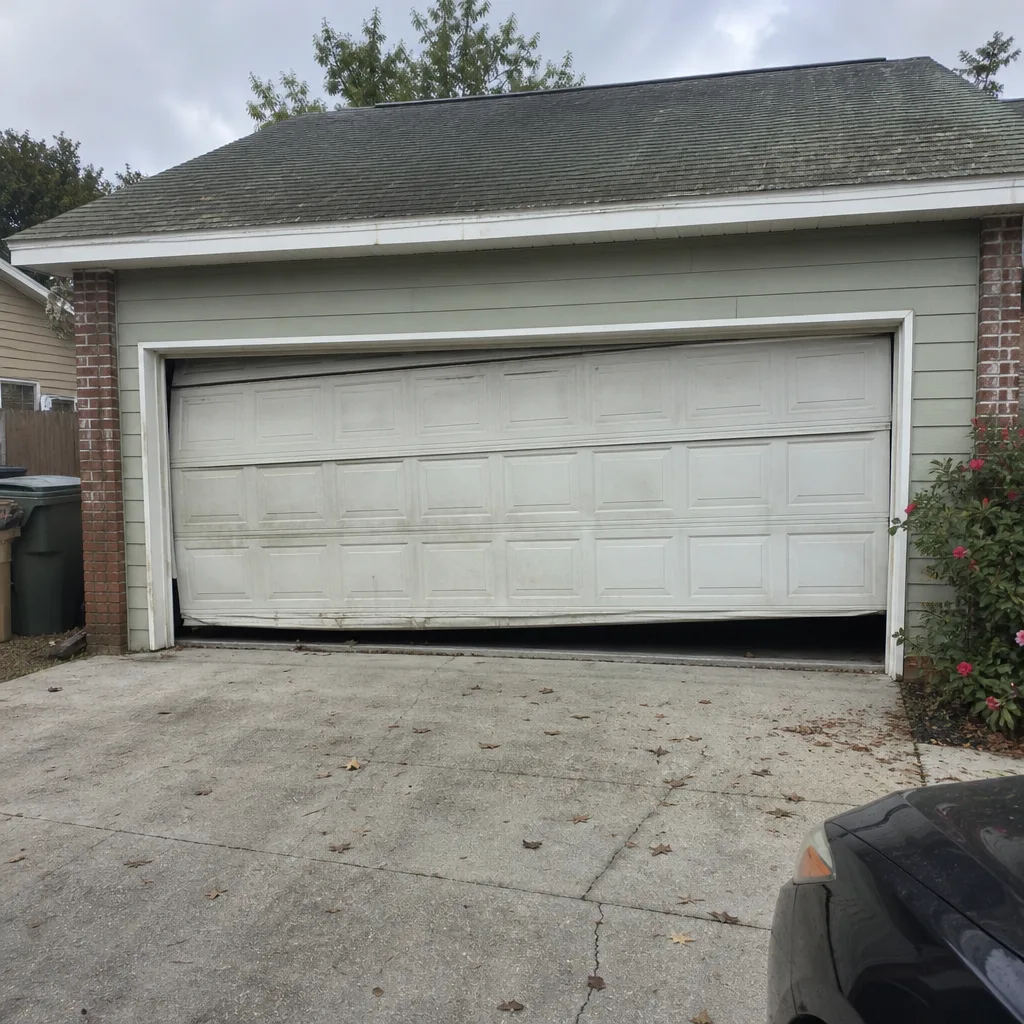 Before
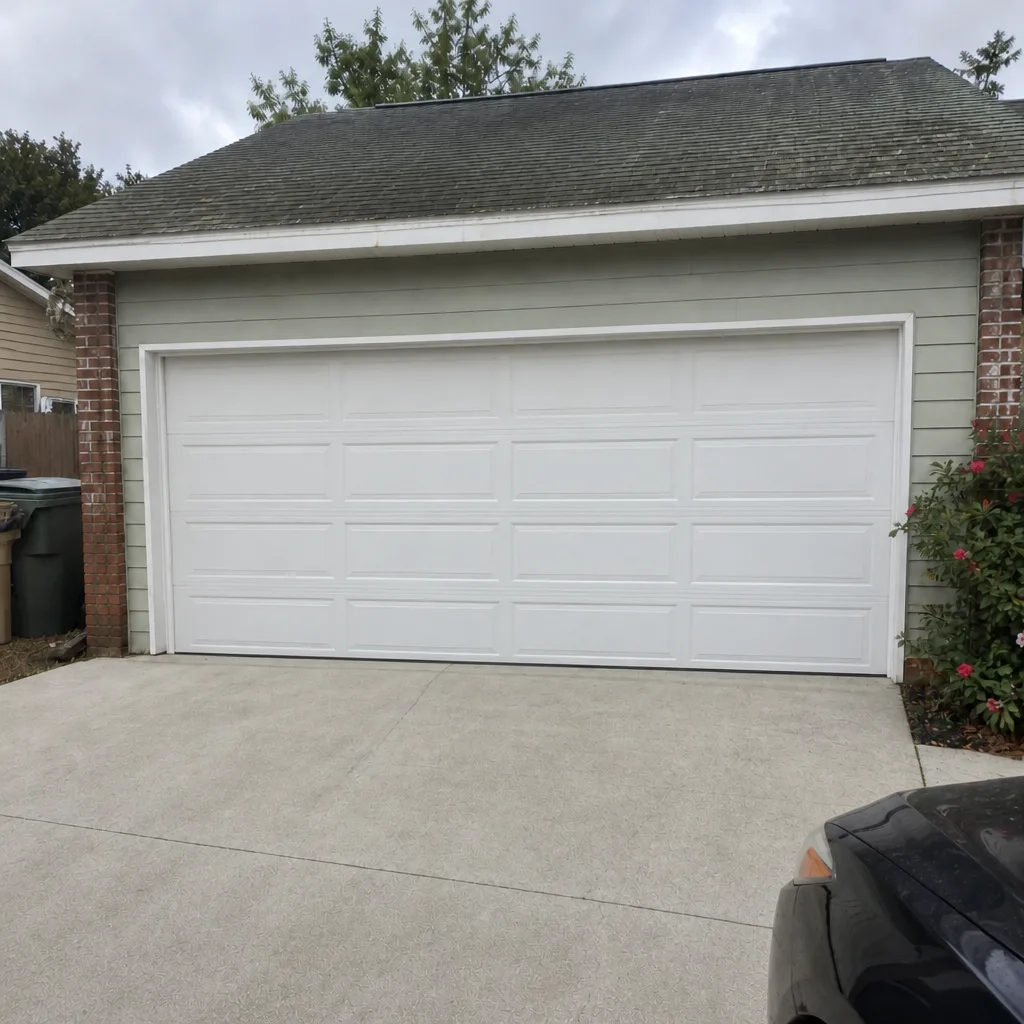 After
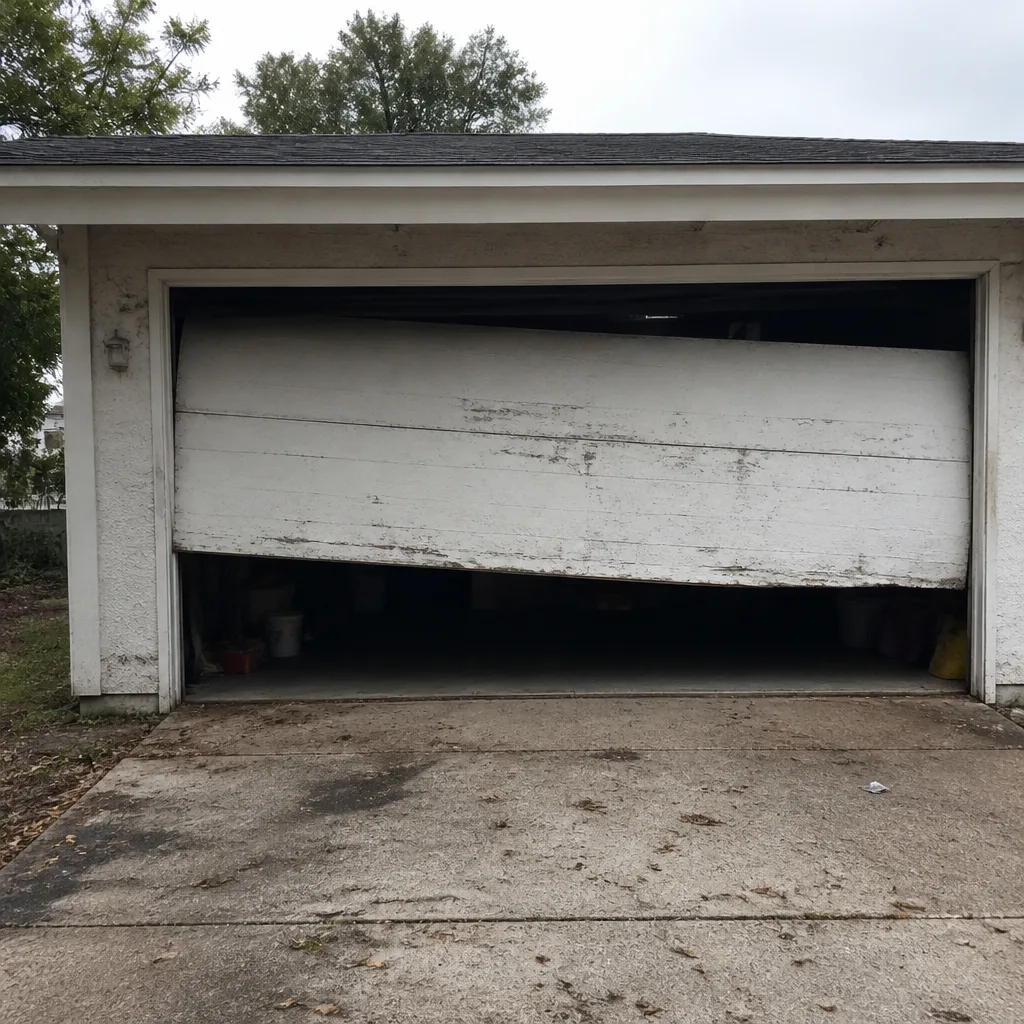 Before
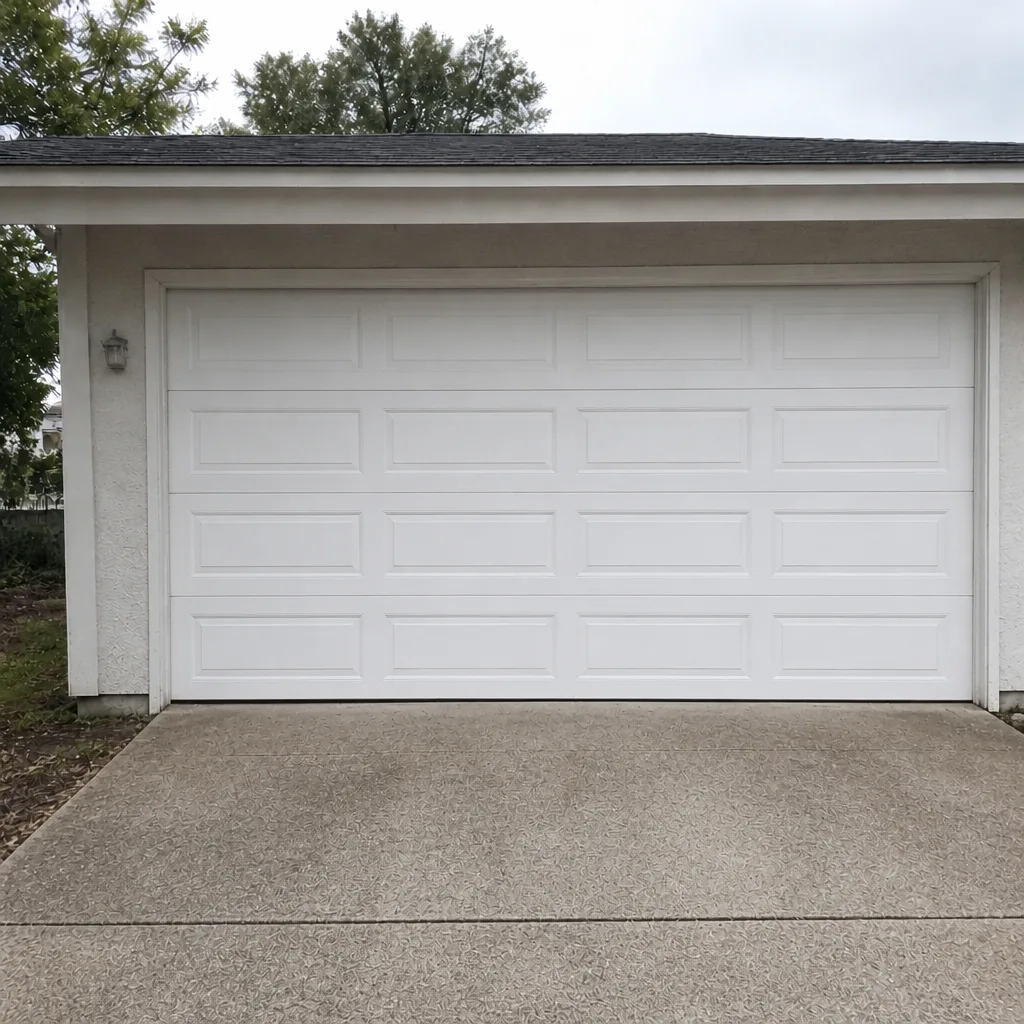 After
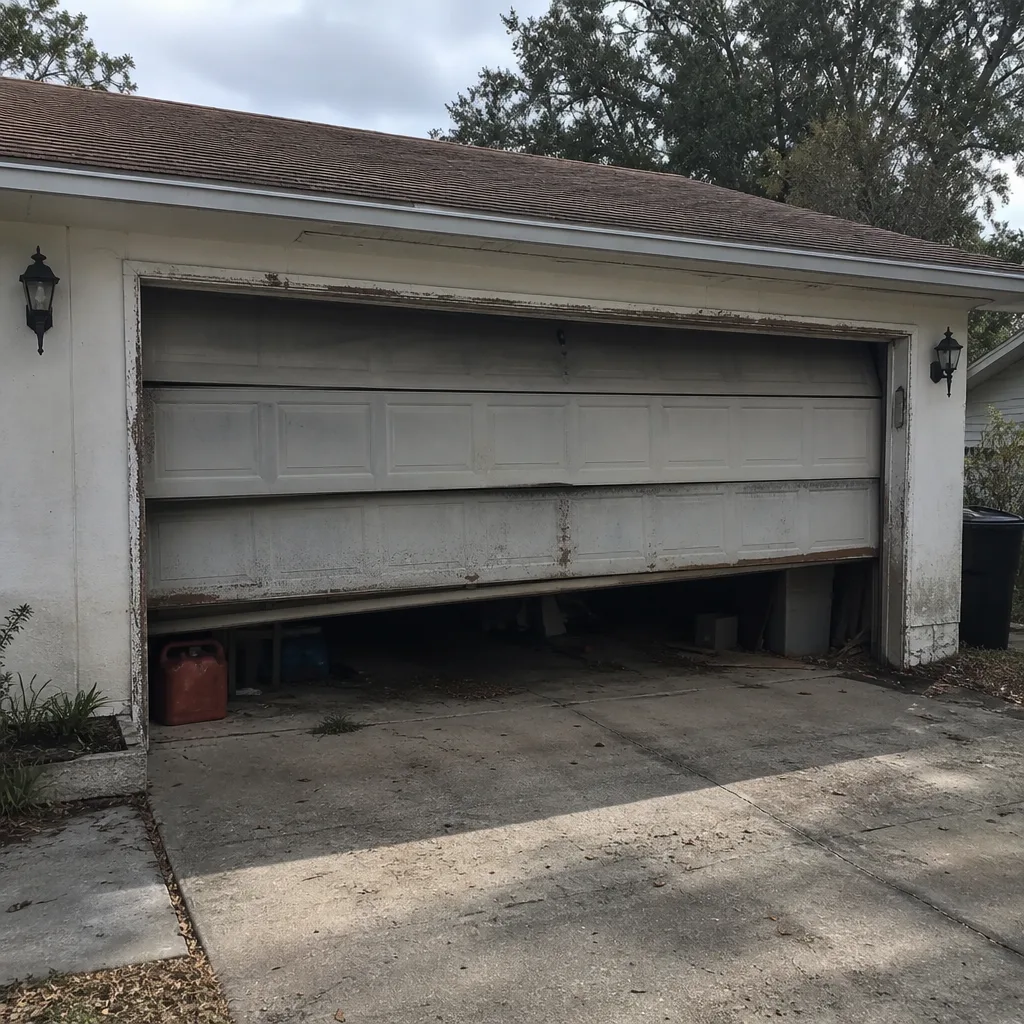 Before
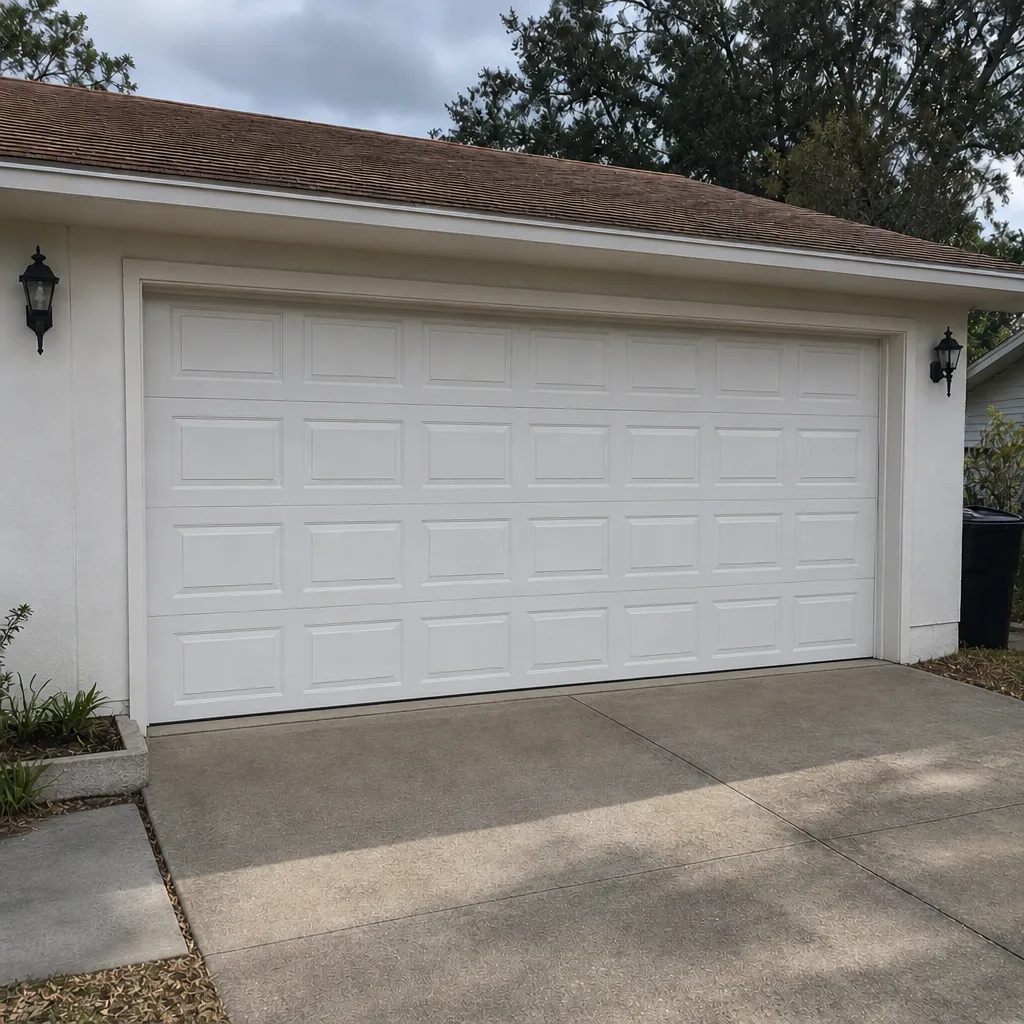 After
When to Call a Professional
Some jobs are fine to handle yourself, like clearing the photo-eye lenses or touching up paint. Others need a trained technician: a door that drops or won’t stay up, a snapped spring, a door that’s off its tracks, an opener that hums without moving, a panel that’s cracked or bent, or a door that won’t close completely. Any of those is a call. If the door is stuck and blocking your only way in, we offer emergency service for situations where the door isn’t a minor inconvenience. Garage Door Repair Lakeside offers free estimates in Lakeside, so there’s no risk in getting a professional opinion. Call (877) 492-4021 and we’ll get you back up and running.
Frequently Asked Questions
Yes. Any garage door installed in Lakeside needs an FPA number tied to its model and wind zone. Ask the installer to confirm it before the door is ordered, and keep the documentation with your permit records.
In many cases, yes. We treat spring repair as a core service, not an add-on, and our team is set up to help quickly when a spring fails. Call (877) 492-4021 and we’ll tell you what we can do for you today.
No. We measure, diagnose, and write you a firm price before any work starts. The written estimate is the price you pay, and nothing begins until you’ve agreed to it. Call (877) 492-4021 for a free estimate.
In most cases, yes. We work with the brand already in your garage, including LiftMaster, Chamberlain, Genie, Clopay, Amarr, Wayne Dalton, Craftsman, and Raynor. If your brand isn’t listed, call and we’ll confirm before you book.
Many do. Color, panel style, and window placement are common restrictions in Lakeside subdivisions. Get the written guidelines before you shop, and let your installer solve for both the HOA style and the FPA requirement at the same time.
The local professionals we connect you with are licensed and insured as their state requires. Our technicians have up to 11 years of experience, and we handle spring work in-house. Call (877) 492-4021 for a free estimate.
The Bottom Line
A garage door in Lakeside is a system, not a shopping decision. Start with the Florida Product Approval number, match the material to the humidity and storm season, confirm the door satisfies both your HOA and the building code, and make sure the springs and opener are sized for the door. Get those right and the style follows. Get them wrong and you’ll pay for it twice, once in the door and once in the fix. If you want help working through any part of this, we’re a garage door specialist in Lakeside and we’d be glad to take a look. Call (877) 492-4021 for a free estimate and a written price before any work starts.
Written by the team at Garage Door Repair Lakeside.