Last updated November 23, 2026
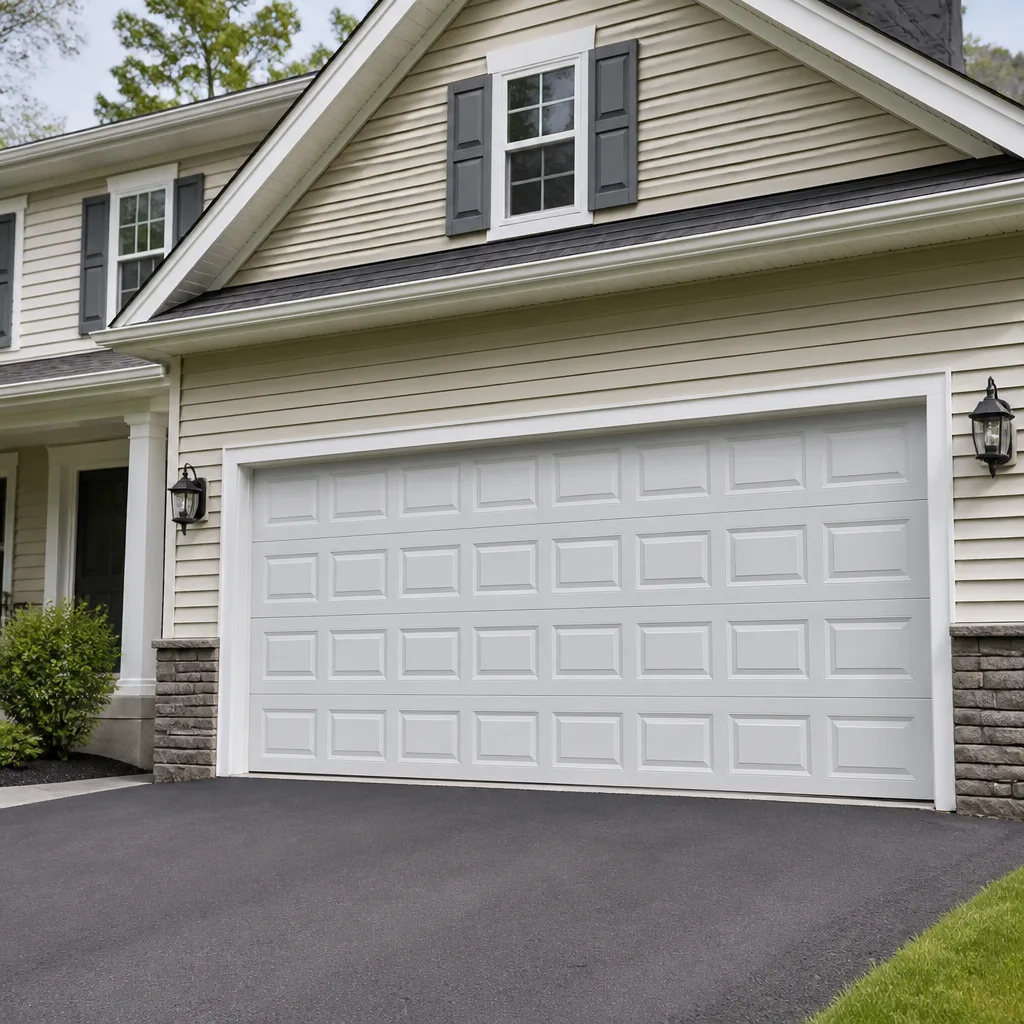 Raised-panel steel
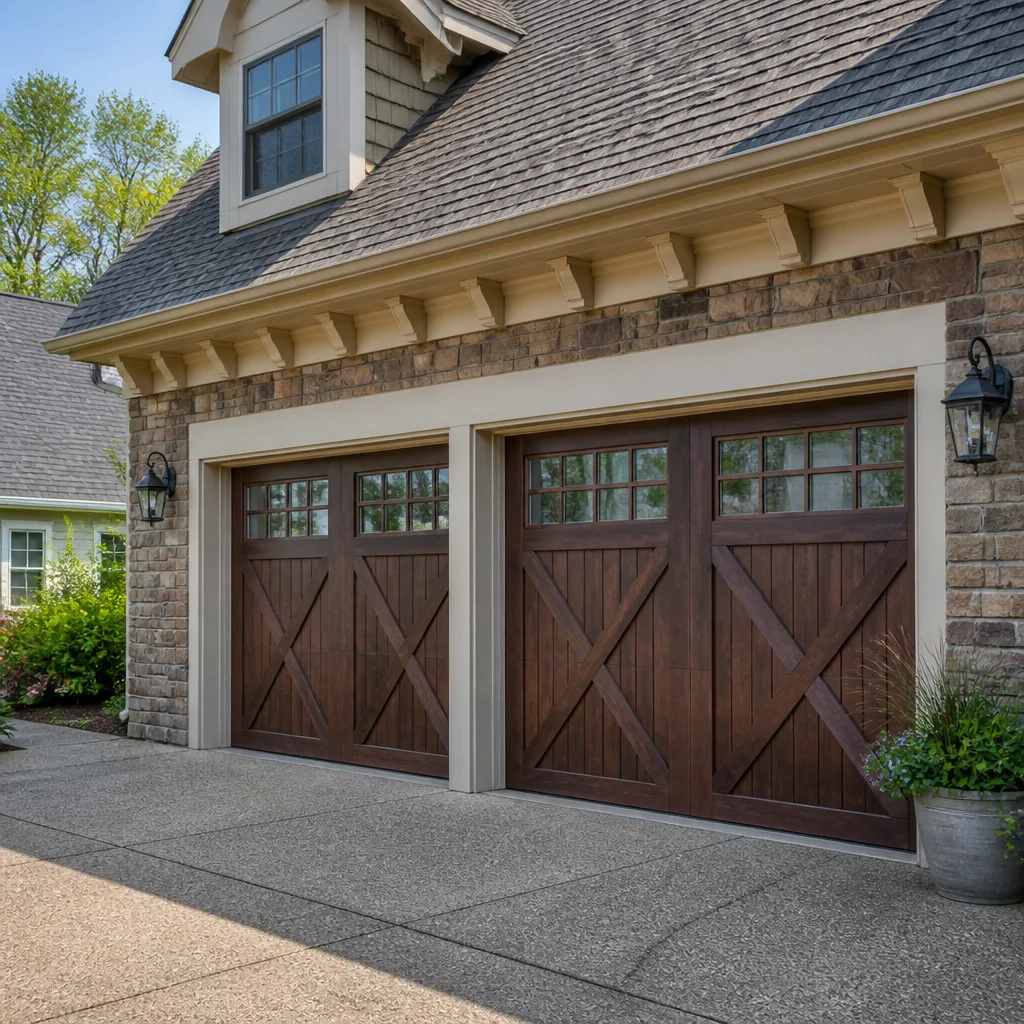 Carriage house
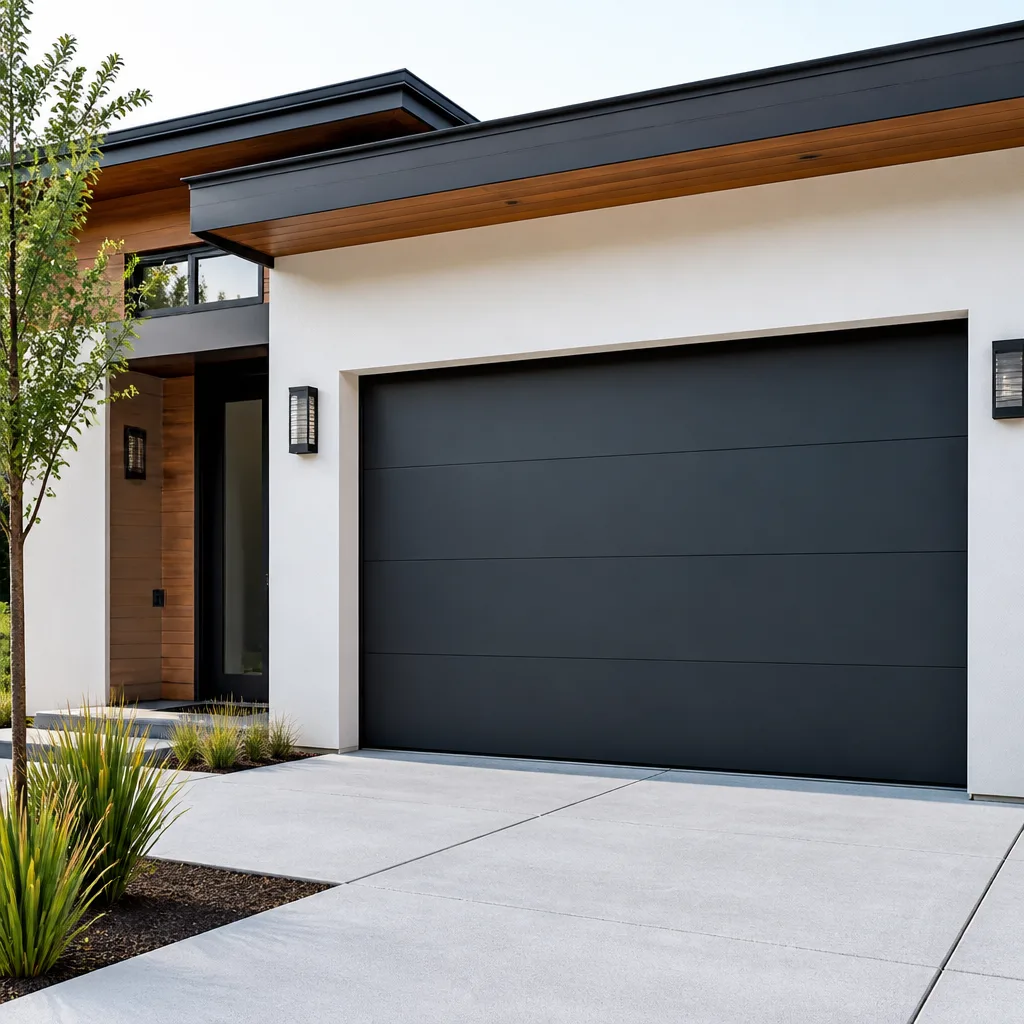 Modern flush
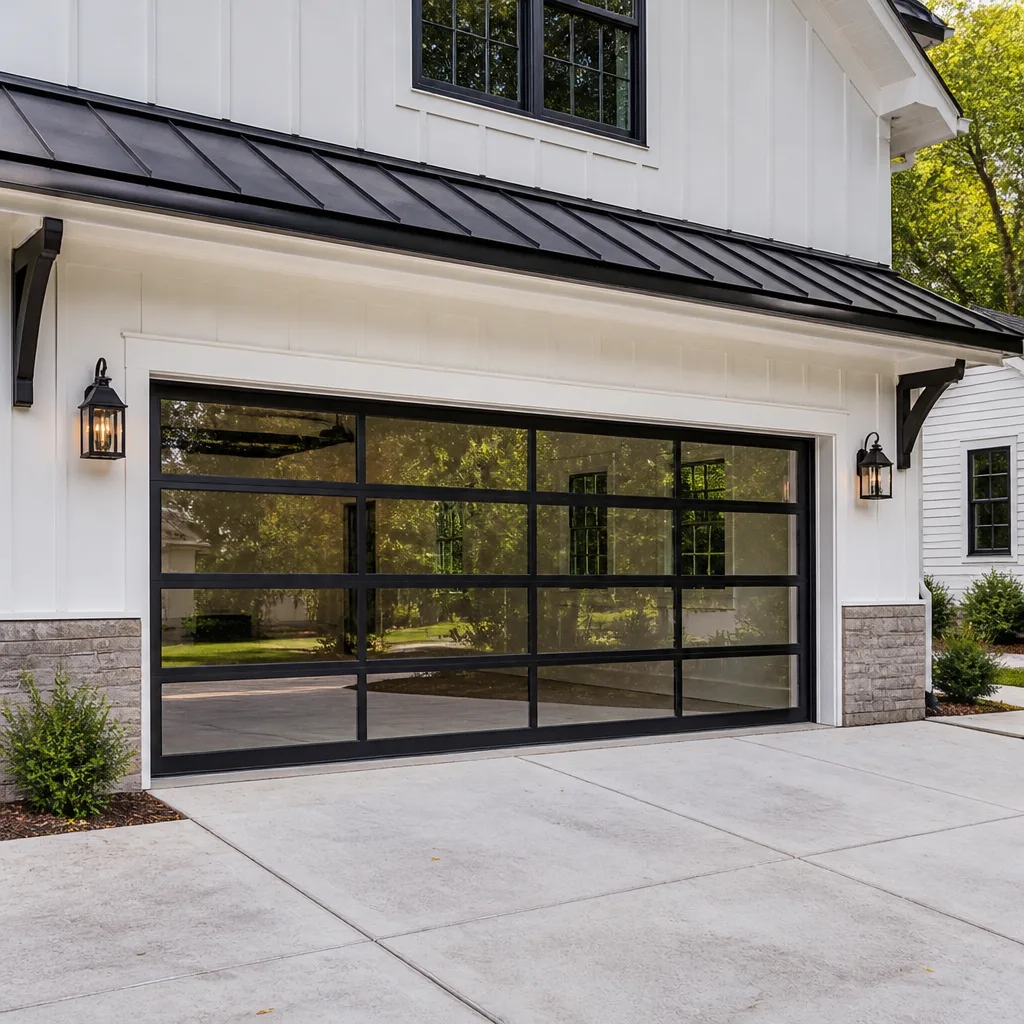 Full-view glass
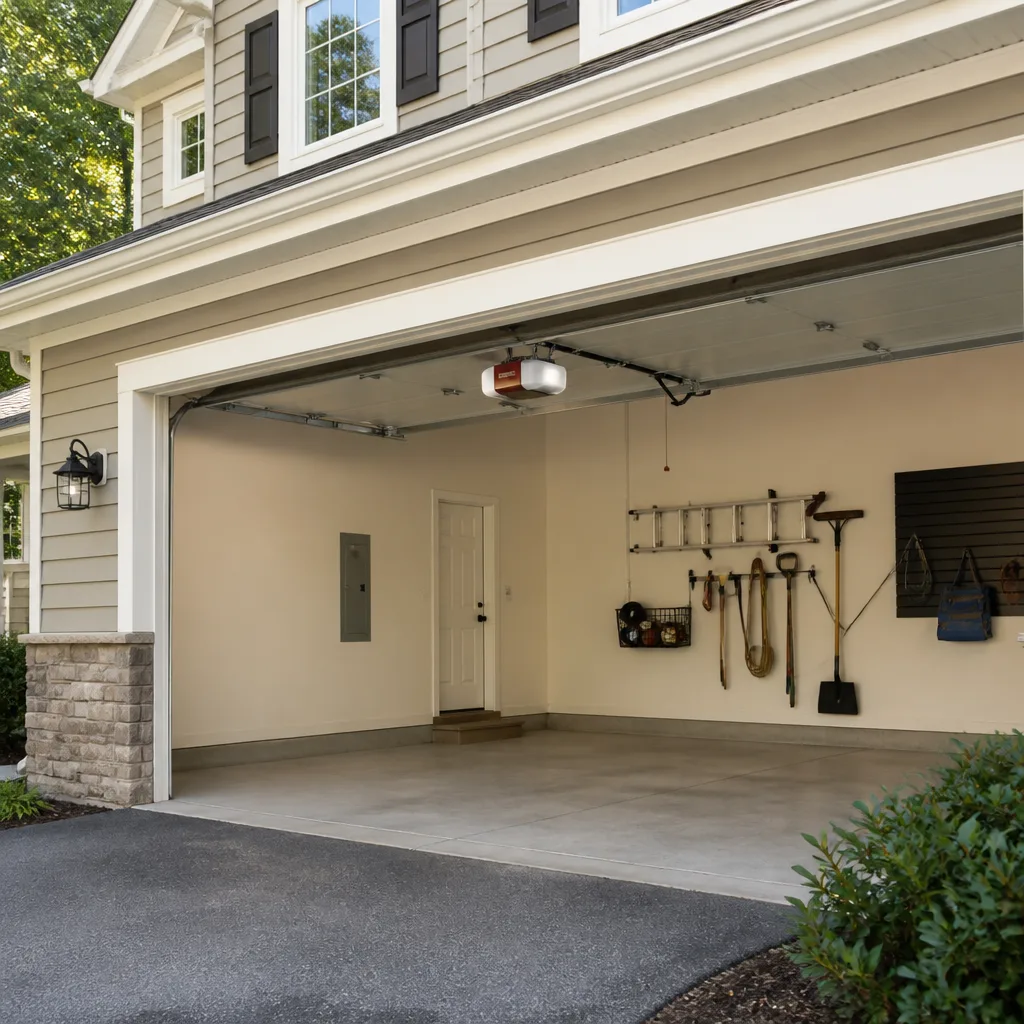 LiftMaster openers
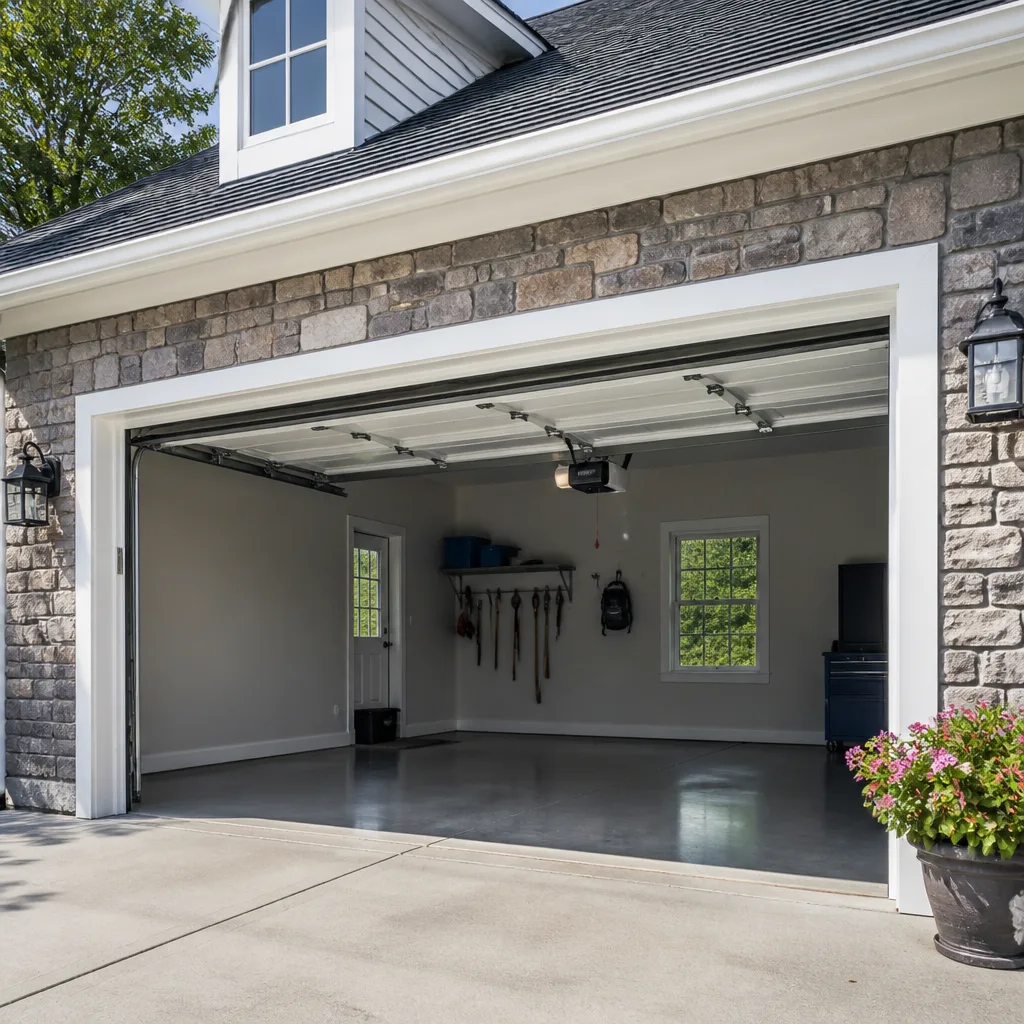 Chamberlain openers
Full 25-point door and opener safety check with every visit - springs, cables, rollers, tracks, and your LiftMaster or Chamberlain opener included
You get a price before we start. It does not change when the pro arrives.
Get your free estimateGarage Door Warning Signs: A Lakeside Homeowner’s Reference Guide
Most garage door failures don’t arrive without notice. They announce themselves first, usually in ways that are easy to dismiss as normal. A door that’s “a little slow” on a cool morning. A faint scrape at the halfway point. A panel that never quite sits flat. Those small changes matter more in Lakeside than they do in cooler parts of the country, because summer heat and humidity accelerate the wear on the parts that already do the most work. A slow door in July points to spring tension loss, and that problem gets worse fast. This guide maps the symptoms you’re likely to notice to the mechanical cause behind them, so you can describe what you’re hearing and seeing, understand what it means, and decide how quickly to act.
Quick Answer
The most common garage door warning signs are grinding or popping sounds, an uneven gap along the bottom seal, a door that lifts crooked or drifts down on its own, and a door that moves noticeably slower than it used to. Each points to a different system: sounds usually mean rollers, hinges or spring tension; an uneven gap means track alignment or seal wear; slow or jerky travel almost always means the springs are losing tension, not that the opener is old. Any door that closes on an object placed in its path has a failed safety reversal and needs service before it’s used again.
Styles & brands we work with
- Raised-panel steel
- Carriage house
- Modern flush
- Full-view glass
- LiftMaster openers
- Chamberlain openers
Table of Contents
- Sound-Based Diagnosis: What Grinding, Squealing, Popping and Rattling Actually Mean
- Visual Asymmetry: Uneven Gaps Versus a Door That Hangs Crooked
- Response-Time Changes: Why a Slower Door Is a Spring Signal
- The Monthly Safety Reversal Test and What a Failure Means
- Florida-Specific Warnings: Rust, Swollen Seals and Cable Discoloration
- Opener Symptoms You Shouldn’t Ignore
- The Five-Minute Monthly Walkthrough
Sound-Based Diagnosis: What Grinding, Squealing, Popping and Rattling Actually Mean
The sound your door makes is the most useful diagnostic information you have, and it’s the one most homeowners stop paying attention to within a year. Doors are supposed to make some noise. What you’re listening for is a change from the baseline your own door set, not silence.
Grinding typically comes from metal-on-metal contact. Worn steel rollers develop flat spots, and a nylon roller that’s cracked will scrape along the track instead of rolling. Dirt and grit collected in the track amplify it. Grinding that gets louder as the door travels is usually roller and track wear. It’s serviceable, and it’s rarely urgent on its own, but it accelerates the wear on everything around it.
Squealing is friction with lubrication involved, or rather the lack of it. Hinges, rollers and the torsion shaft develop dry contact points. A high, steady squeal that follows the door up and down is the classic presentation. In our experience, Lakeside’s humid summers strip lubrication faster than a drier climate would, so a door that was quiet in spring can be squealing by August.
Popping deserves your attention. A sharp pop, especially one that repeats at the same point in travel, often points to a torsion spring that’s binding or a cable that has jumped a drum. Springs are under high tension and a popping spring should never be prodded or sprayed into submission. Keep clear of the springs, cables and the area directly above the door, and have a trained technician inspect it.
Rattling is usually loose hardware: hinge bolts, the bracket that holds the opener rail, the door panels themselves. It’s the least serious of the four, and the easiest to track down, but persistent rattling loosens fasteners further.
- Grinding: worn rollers, dirty track, metal-on-metal contact
- Squealing: dry hinges, rollers or torsion shaft
- Popping: spring binding or cable on the drum, stop using the door
- Rattling: loose bolts, brackets or panel hardware
Visual Asymmetry: Uneven Gaps Versus a Door That Hangs Crooked
Two different problems look similar from the driveway, and mixing them up wastes money. An uneven gap at the bottom seal and a door that hangs crooked at rest are not the same fault.
An uneven gap along the bottom, where one side of the door meets the floor and the other floats an inch or two above it, generally indicates track alignment or a worn bottom seal. Tracks bend. So does the threshold beneath the door. In Florida’s heat, the rubber or vinyl bottom seal softens and deforms, and a seal that’s swollen out of shape can hold one side of the door higher than the other. That’s usually a track and seal issue. It lets water and pests in, and it wastes energy, but the door itself is structurally sound.
A door that hangs crooked at rest, meaning it looks visibly tilted even when fully closed, points to something more serious: unequal spring tension, a stretched or frayed cable, or a track that has shifted out of plumb at one side. If you can see daylight under one corner and the door looks like it’s leaning, the two sides of the lift system aren’t working evenly. A cable that’s about to fail can present this way. Stop cycling the door and have it looked at.
Here’s a rough way to tell them apart. Stand inside the garage and look at the gap along the floor:
- If the gap is even in width but the seal is visibly warped or bulging, the seal is the issue.
- If the gap is wider on one side and the door looks level, the track or threshold is the issue.
- If the door itself looks tilted and the gap runs wide on one side, suspect spring or cable problems and stop using the door.
Lakeside homes sit close to the water table and the seasonal rains that come with a Florida summer, so a swollen bottom seal is one of the more frequent calls we get in the wetter months. It’s a straightforward replacement.
Response-Time Changes: Why a Slower Door Is a Spring Signal
A door that takes noticeably longer to open than it did last year is not showing its age. It’s telling you the springs are losing tension. This is the single most misread symptom in garage door ownership, and Lakeside homeowners aren’t alone in misreading it. Opener motors don’t gradually weaken in a way that slows the door; they either work or they don’t, and modern openers from LiftMaster, Chamberlain and Genie tend to fail at the logic board or the gear, not by getting sluggish.
Torsion springs, or extension springs on older doors, carry the actual weight of the door. A double door can weigh well over 100 pounds. When the spring is at full tension, the opener only has to nudge the door; the springs do the lifting. As a spring fatigues, it carries less of the load, and the opener has to work harder to move the same door. That shows up as slow travel, jerky movement, and a door that hesitates at the start.
Other symptoms that travel with spring fatigue:
- The door stalls or reverses partway up, then works on the second try
- The door feels heavy when you lift it by hand with the opener disconnected
- You can lift the door a few inches and it won’t stay put; it falls back down or drifts closed on its own
- The opener’s motor housing gets hot to the touch after one cycle
- You hear the motor running but the door barely moves
That last one matters because overworking the opener to compensate for weak springs is what burns out the motor or strips the drive gear. A slow door that keeps getting used turns a spring replacement into a spring plus opener replacement. If you want a hands-on assessment, our garage door spring repair service covers both torsion and extension systems, and we treat springs as a safety job, not a tune-up.
A note on safety. Springs, cables, and the shaft they ride on are under extreme tension. Torsion springs especially can cause serious injury if they release unexpectedly, and a cable can snap with enough force to damage the door or the person near it. We don’t recommend adjusting, winding or removing springs yourself, and we don’t publish step-by-step instructions for it. A trained technician uses the correct winding bars and knows the door’s weight and spring specs. Springs are a safety issue, not a DIY fix.
The Monthly Safety Reversal Test and What a Failure Means
Every garage door opener manufactured since the early 1990s is required to have a safety reversal system: an optical sensor near the floor, and a pressure-sensing circuit in the opener itself. Both are there to stop the door if something or someone is in the way. Both can fail quietly, which is why the test is worth running once a month. It takes under a minute.
- With the door fully open, place a small object on the floor in the center of the door’s path, roughly where a child or pet might wander. A roll of paper towels or a block of wood works.
- Press the button to close the door. When the door meets the object, it should reverse and travel back open within a few inches of contact.
- If the door keeps pushing down on the object or reverses only slightly, the pressure sensitivity needs adjustment or the opener needs service.
- Next, test the photo-eye sensors. With the door open, wave a hand or a broom handle across the beam between the two sensors near the floor. The door shouldn’t start to close at all, and if it’s already closing, it should reverse.
- Check that both sensors have a lit indicator and are pointed at each other. A sensor that’s been bumped off aim is a common cause of a door that won’t close.
A failed reversal test means the door is not safe to operate automatically. The mechanical and legal exposure is real: if the door closes on a person or an object and the reversal fails, the homeowner carries the liability. In Florida, a garage is a main entry for many homes and the door cycles several times a day, so the test is worth putting on the first of every month. A door that fails the test should be run by hand or left off until it’s serviced. Our garage door opener repair team handles sensor alignment, pressure adjustment and full opener diagnostics on all the major brands.
Florida-Specific Warnings: Rust, Swollen Seals and Cable Discoloration
Garage doors in Lakeside live in heat and humidity, and that shapes which warnings you should watch most closely. Here are the three signals we see most often in this climate, and how urgent each one is.
Rust streaks on the tracks and hardware. A light film of surface rust on track bolts and hinges is cosmetic and easy to live with. Rust that streaks down the track face, though, means the paint or galvanizing has broken down, and pitted track will wear rollers faster and cause the door to bind. Urgency: low to moderate. Clean and lubricate the tracks and hardware, and replace any piece that’s rusted through.
Swollen or warped bottom seals. Heat and moisture soften rubber and vinyl, and the seal takes the most abuse of any part of the door because it lives right at ground level. A swollen seal holds water, blocks the door from seating fully, and makes the gap uneven. It also lets in pests and rain. Urgency: low to moderate. The seal is a cheap part and a fast fix.
Cable discoloration. This one gets our attention. Cables should be uniformly bright metal or a consistent coated color. A cable that shows dark patches, a fuzzy, frayed strand sticking out, or a kink that stays bent after the door moves has started to fail. Cables carry the same tension as springs and a broken cable can whip loose. Urgency: high. Stop operating the door and have the cable replaced by a technician.
- Surface rust on hardware: monitor, lubricate, replace if it pits
- Streaking rust on the track face: replace the affected track section
- Swollen bottom seal: replace the seal; check the gap after
- Dark, fuzzy or kinked cable: stop using the door, call a technician
The humidity that causes these problems is also why a door that behaves fine in a dry spell can start binding after a week of rain. It’s one reason our Garage Door Repair Lakeside service keeps moisture-related track and seal work on the same call as any other repair.
Opener Symptoms You Shouldn’t Ignore
The opener is the part of the system homeowners know best and understand least. It’s the easy target when a door misbehaves, but as we covered above, most sluggish doors are a spring problem, not an opener problem. That said, openers do have their own warning signs, and they’re distinct from door symptoms.
The symptom most often mismanaged is the wall button that works but the remote doesn’t, or the remote that needs to be held close. That’s usually a battery, a remote program, or interference, not a dying motor. Try a fresh battery and re-pairing the remote before assuming the opener needs replacement.
Other opener signals:
- Flashing indicator lights and a door that closes but won’t open, or opens partway and reverses. Many openers use blinking lights to signal a specific fault, from a sensor obstruction to a travel limit that needs a reset. Check the owner’s manual for the code. We know LiftMaster, Chamberlain, Genie, Craftsman and the other major brands well enough to read the fault at the door.
- A motor that runs but the door doesn’t move. Often a stripped drive gear or a broken chain or belt. That’s a repair, not a full replacement.
- A loud grinding or humming that’s isolated to the opener head. Gear or bearing wear.
- Random operation: door opens on its own or at odd times. Could be a stuck wall button, a neighbor’s remote on the same frequency, or a logic board fault. Worth investigating, since a door that opens unannounced is a security problem as well as an annoyance.
If your opener is older than its door or you’ve been told it needs replacing, don’t assume it does. We work on the brand already in your garage, whether that’s a LiftMaster or a Genie, rather than pushing a new system. A full diagnosis usually separates a $200 repair from a $1,200 replacement, which is why we diagnose first.
The Five-Minute Monthly Walkthrough
Put this on the calendar for the first of each month and you’ll catch most of these issues while they’re still inexpensive. You don’t need tools or a ladder for any of it.
- Listen. Run the door up and down once and listen for any change from last month: grinding, squealing, popping, rattling.
- Watch the gap. Stand inside the garage and look along the bottom seal while the door is fully closed. Is the gap even?
- Check the tile. Look at the door at rest. Does it look level, or is one corner visibly lower?
- Feel the weight. Disconnect the opener (pull the release handle) and lift the door by hand to about waist height. It should lift smoothly and stay put when you let go. If it’s heavy or drifts, the springs are the suspect.
- Test the reversal. Run the object-and-sensor test from the section above.
- Look for moisture. Check the bottom seal, the track faces, and the cables for swelling, rust streaks or discoloration.
- Lubricate. Apply a garage-door-specific lubricant to hinges, rollers and the torsion shaft. Skip the tracks themselves; they don’t need grease, and grease attracts grit.
Write down what you find and the date. A door that gets “a little louder” every month has a trend you can point to, and a technician can work faster from your notes. In Lakeside’s climate, that trend usually points at moisture or spring fatigue long before either becomes a breakdown.
Common Mistakes to Avoid
- Spraying a squealing door and calling it fixed. Lubrication helps, but if the squeal comes back within a week, the part underneath is wearing out. Grease over a worn roller just delays the replacement.
- Adjusting the opener’s travel limits to compensate for a slow door. If the springs are weak, forcing the opener to lift harder accelerates motor and gear wear. Fix the spring, not the limit.
- Assuming a slow door means a new opener. In our experience, most “sluggish opener” calls in Lakeside turn out to be spring tension, and a new opener would have failed the same way within months.
- Ignoring a door that drifts closed on its own. A door that won’t stay up when lifted by hand has weak or broken springs and is a safety hazard. Stop using it.
- Skipping the reversal test because the door “looks fine.” Reversal failures don’t announce themselves visually, and a door that looks fine can still fail the test.
- Letting a swollen bottom seal go through a rainy season. Water gets under the door, the gap widens as the seal deforms, and the fix gets more expensive once the track and threshold are affected.
- Assuming the door is beyond repair. Grinding, rattling and even a hung-up opener are usually repairable. A trained technician diagnoses the cause before quoting a replacement.
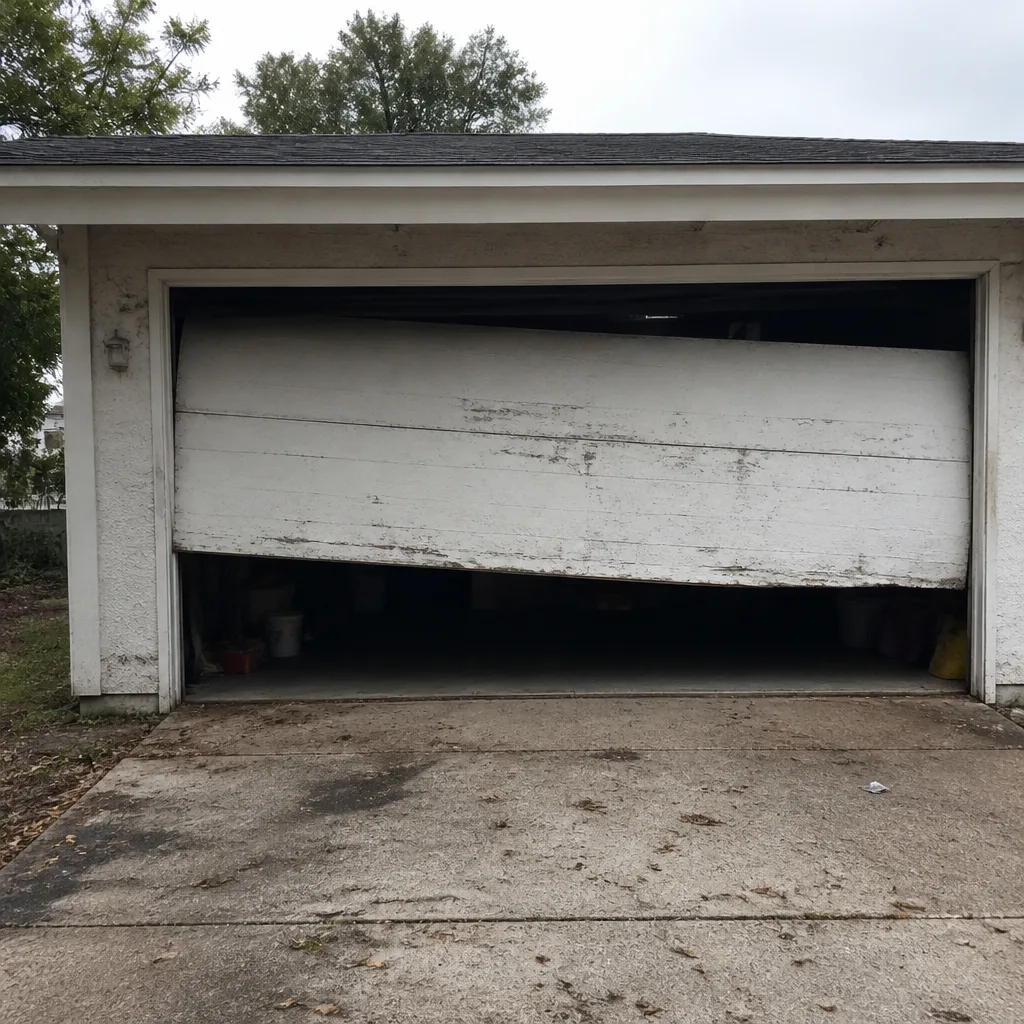
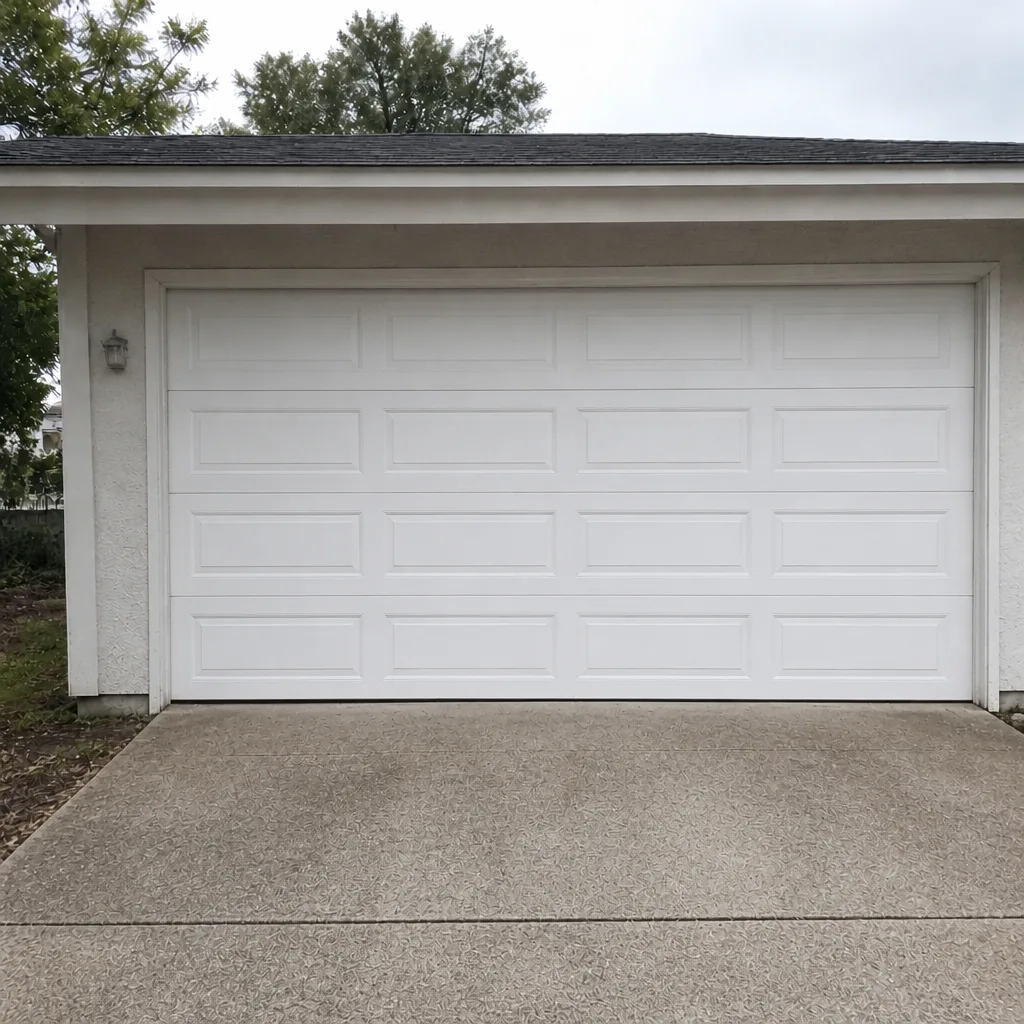
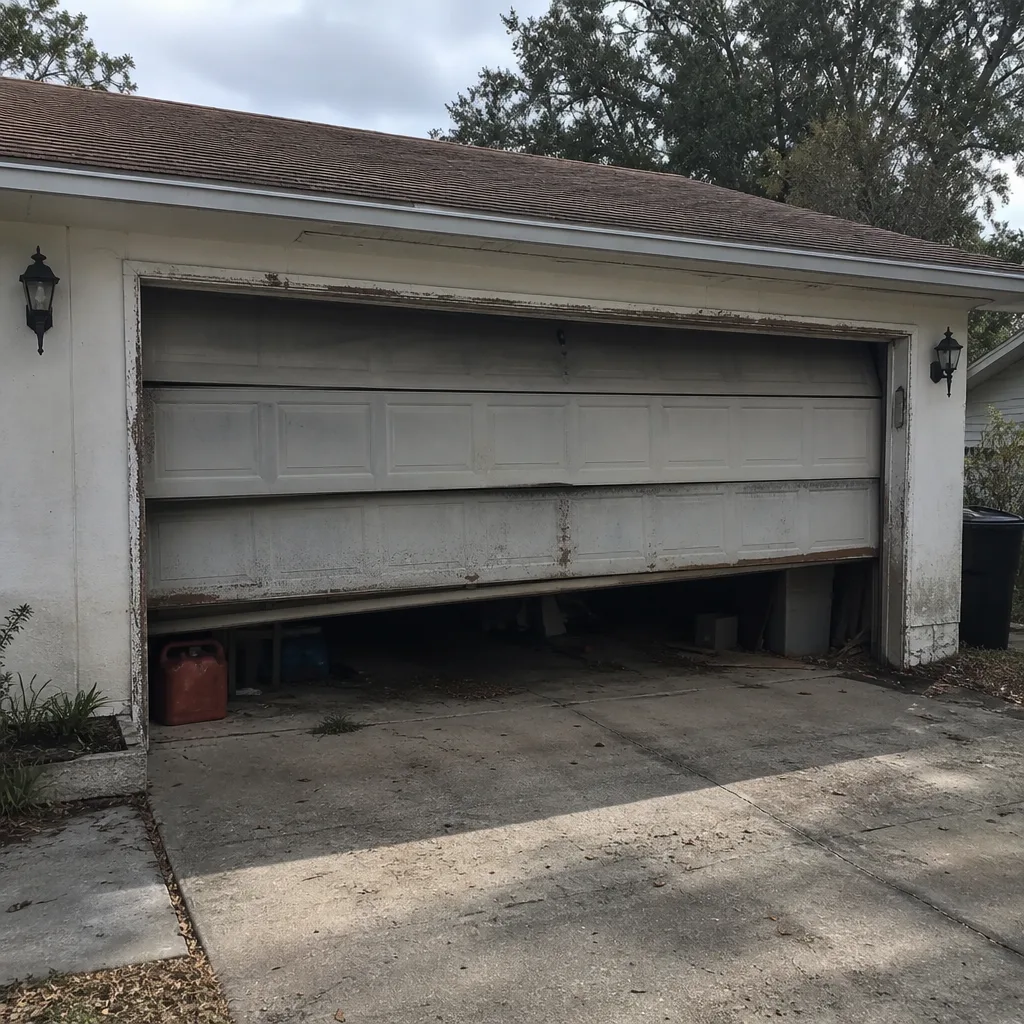
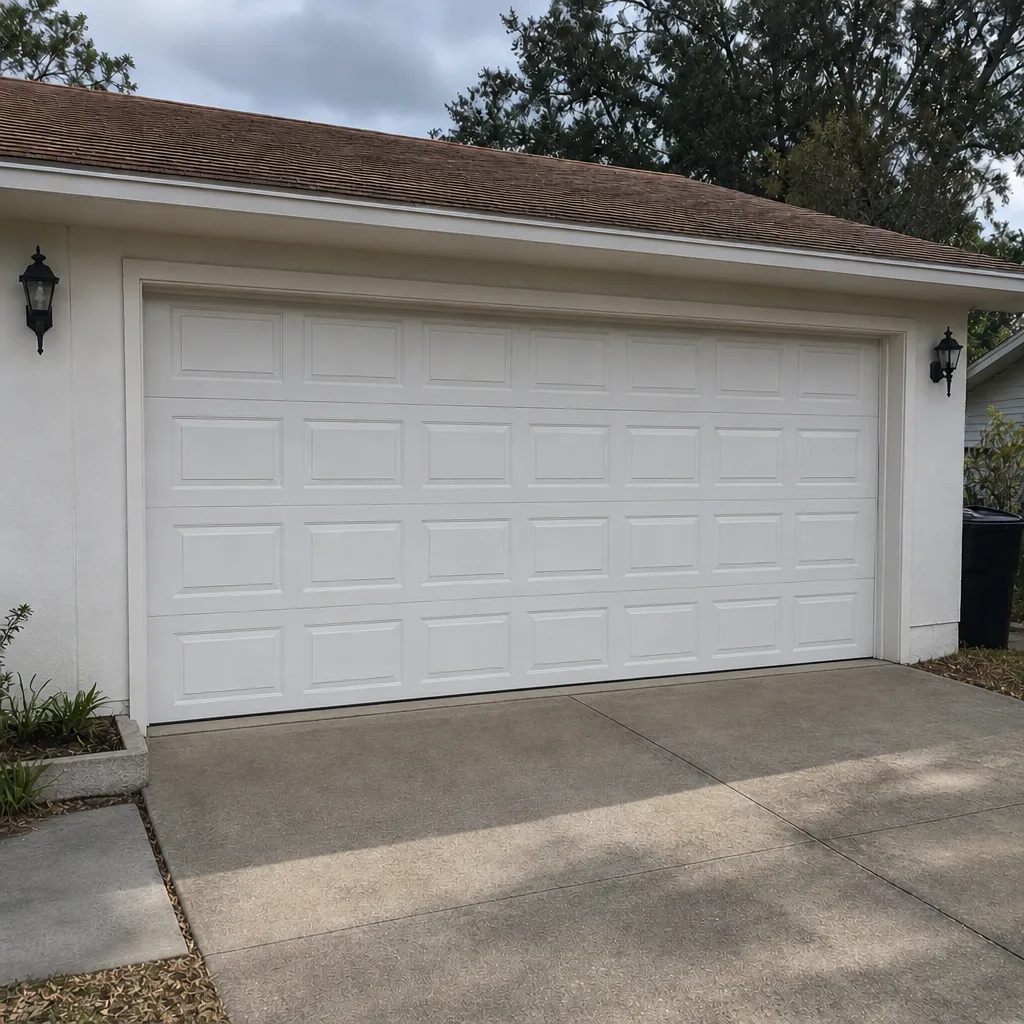
See the difference
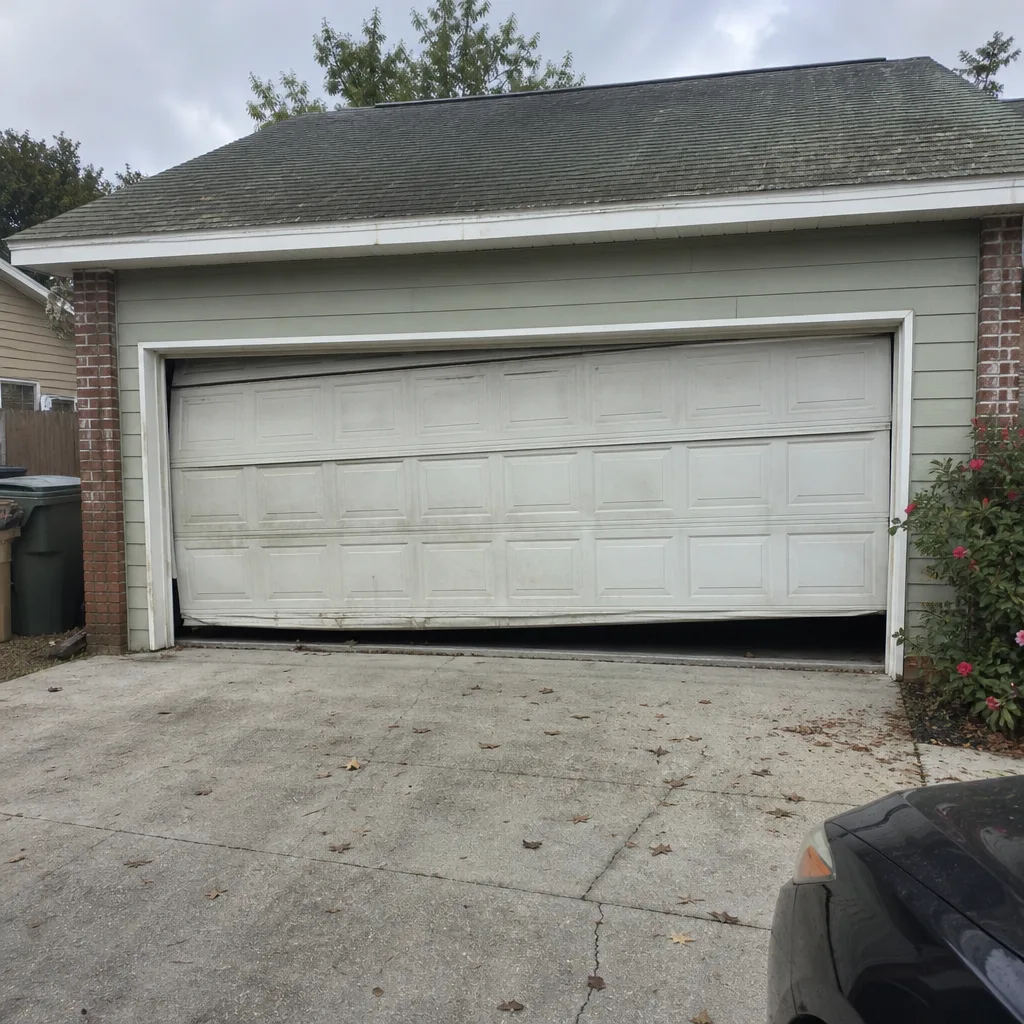 Before
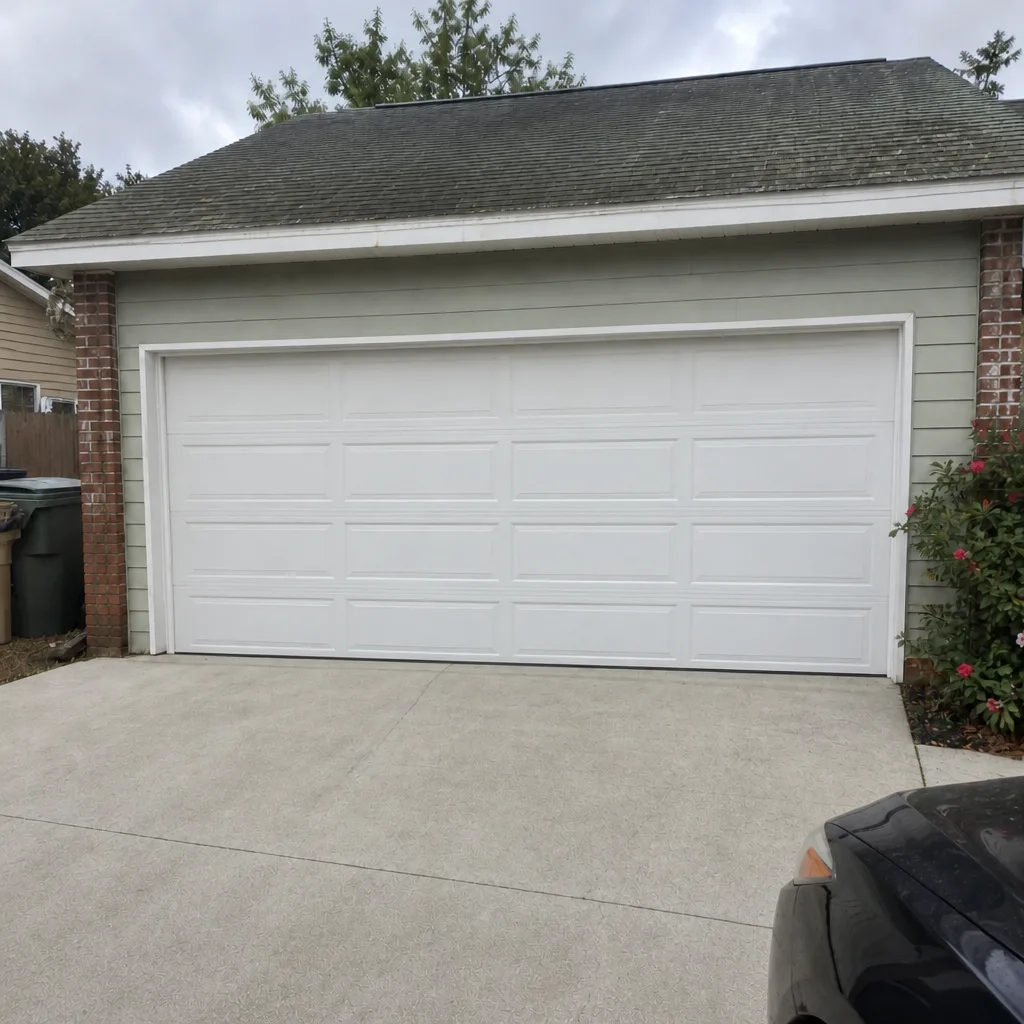 After
 Before
 After
 Before
 After
When to Call a Professional
Some of what this guide covers you can handle yourself: lubrication, the monthly reversal test, replacing a remote battery, cleaning grit out of the tracks. Some of it you shouldn’t touch. Call a professional if the door pops or the spring looks deformed, if a cable is frayed or discolored, if the door hangs crooked or drifts down on its own, if the reversal test fails and won’t adjust, or if the opener runs but the door doesn’t move. Those are the situations where continuing to use the door risks a more expensive failure or an injury. Garage Door Repair Lakeside offers free estimates in Lakeside. Call (877) 492-4021 and describe the sound and the symptom, and we’ll tell you what to expect before we arrive. Our technicians have up to 11 years of experience and we handle door repair, opener repair, spring work and full installation on the same call.
Frequently Asked Questions
The clearest sign is a door that feels very heavy when you lift it by hand with the opener disconnected, often with a loud bang you may have heard when the spring let go. If the door won’t stay up when lifted partway, or if you can see a gap in the coiled spring, it’s broken. Stop using the door and call a technician; springs are under high tension and should never be handled without proper tools and training. Call (877) 492-4021 for a free estimate.
No. A door that moves noticeably slower than it did a year ago is usually showing spring fatigue, not normal wear on the opener. The springs carry the door’s weight; as they lose tension, the opener works harder. Left alone, the extra strain can burn out the motor or strip the drive gear, so a slow door is worth diagnosing promptly. Call (877) 492-4021 for an assessment.
Humidity accelerates the wear and lubrication loss on hinges, rollers and the torsion shaft, so a door that was quiet in spring can squeal or grind by midsummer. Persistent noise after lubricating points to a worn part, and rust streaks on the track or a swollen bottom seal are worth a look. Both are manageable if caught early. Call (877) 492-4021 to book a free estimate.
Grinding itself is usually worn rollers, dirty tracks or metal-on-metal contact, which is a repairable annoyance rather than an immediate hazard. Popping is the more serious sound. If you hear a sharp pop that repeats at the same point in travel, stop using the door and have it inspected, because that can indicate a spring or cable problem. Call (877) 492-4021 to describe what you’re hearing.
Once a month. Place an object in the door’s path and confirm the door reverses on contact, then test the photo-eye sensors by waving a hand across the beam. A door that fails the test isn’t safe to operate automatically, and the homeowner carries the liability if it closes on a person or a pet. Call (877) 492-4021 if the test fails and won’t adjust.
Most likely yes. We service LiftMaster, Chamberlain, Genie, Clopay, Amarr, Wayne Dalton, Craftsman and Raynor, and we work on the system already in your garage instead of steering you toward new equipment. If your brand isn’t on that list, call and we’ll confirm before you book. Call (877) 492-4021 for a free estimate.
The Bottom Line
Garage door failures rarely come out of nowhere. They start as a sound you get used to, a gap you stop noticing, or a door that opens a little slower each month. In Lakeside’s heat and humidity, those early signals matter more than they would in a cooler climate, because moisture and spring fatigue both move faster here. Learn your door’s baseline, run the monthly walkthrough and reversal test, and treat popping, drift, crooked hanging and cable discoloration as stop-and-call symptoms. For everything else, a short call early usually saves a bigger repair later. If your garage door repair needs a second opinion, we’re one call away.
Call Garage Door Repair Lakeside at (877) 492-4021 for a free estimate. We’ll diagnose the symptom, explain what’s causing it, and quote the repair before any work starts.
Written by the team at Garage Door Repair Lakeside.