Last updated November 23, 2026
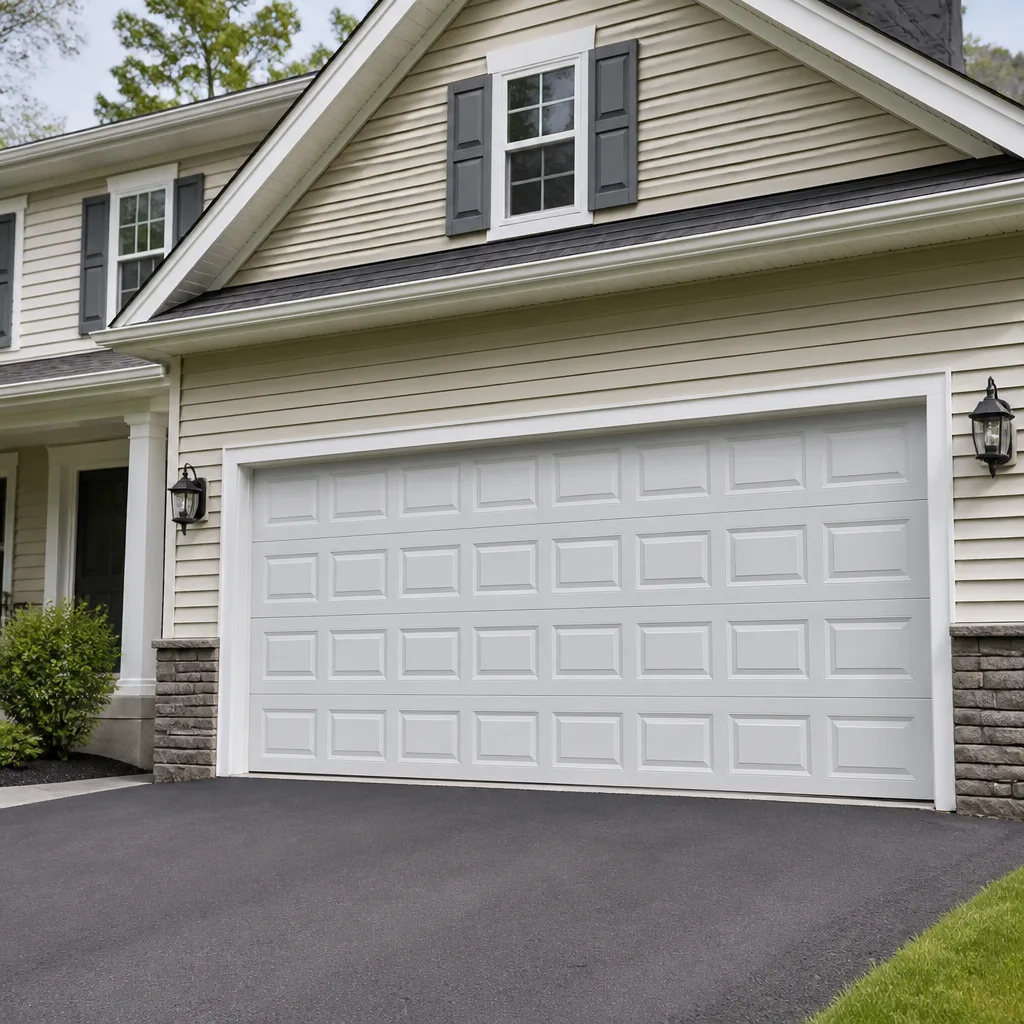 Raised-panel steel
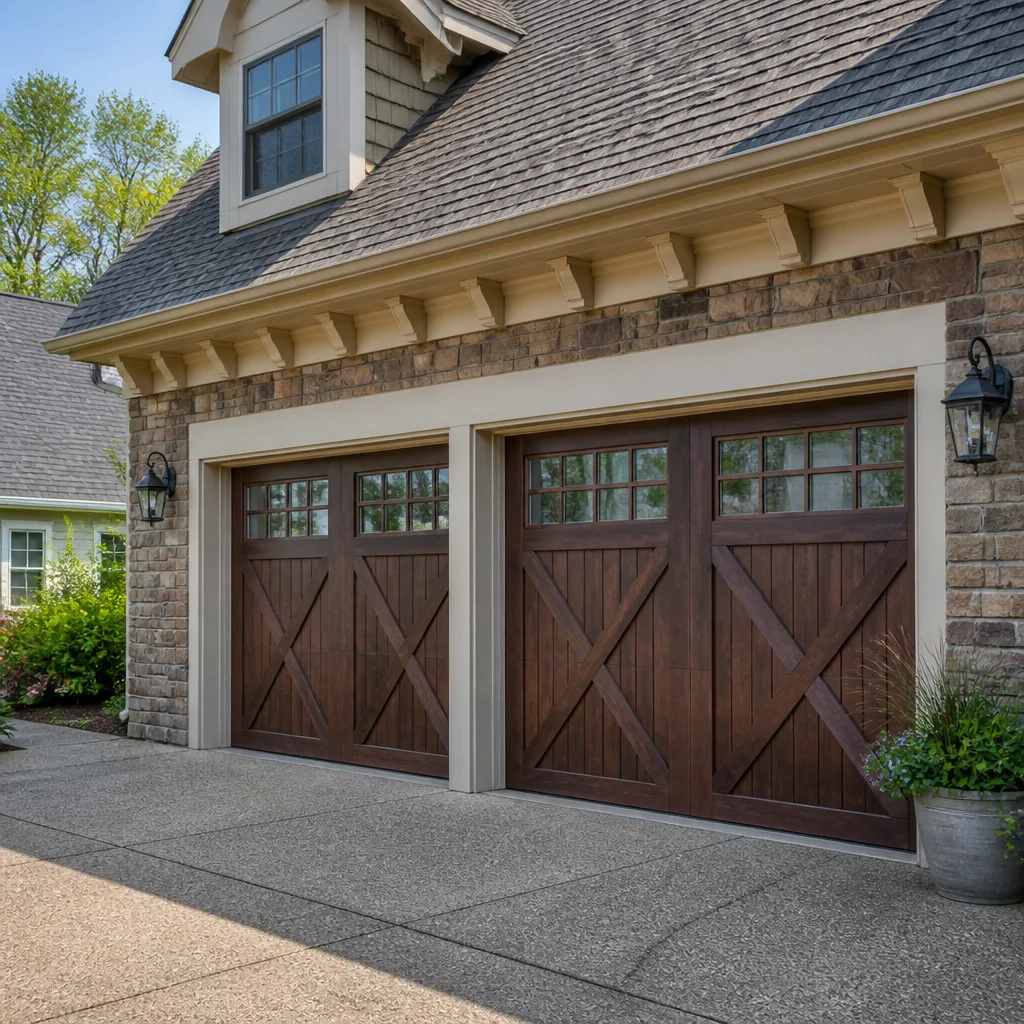 Carriage house
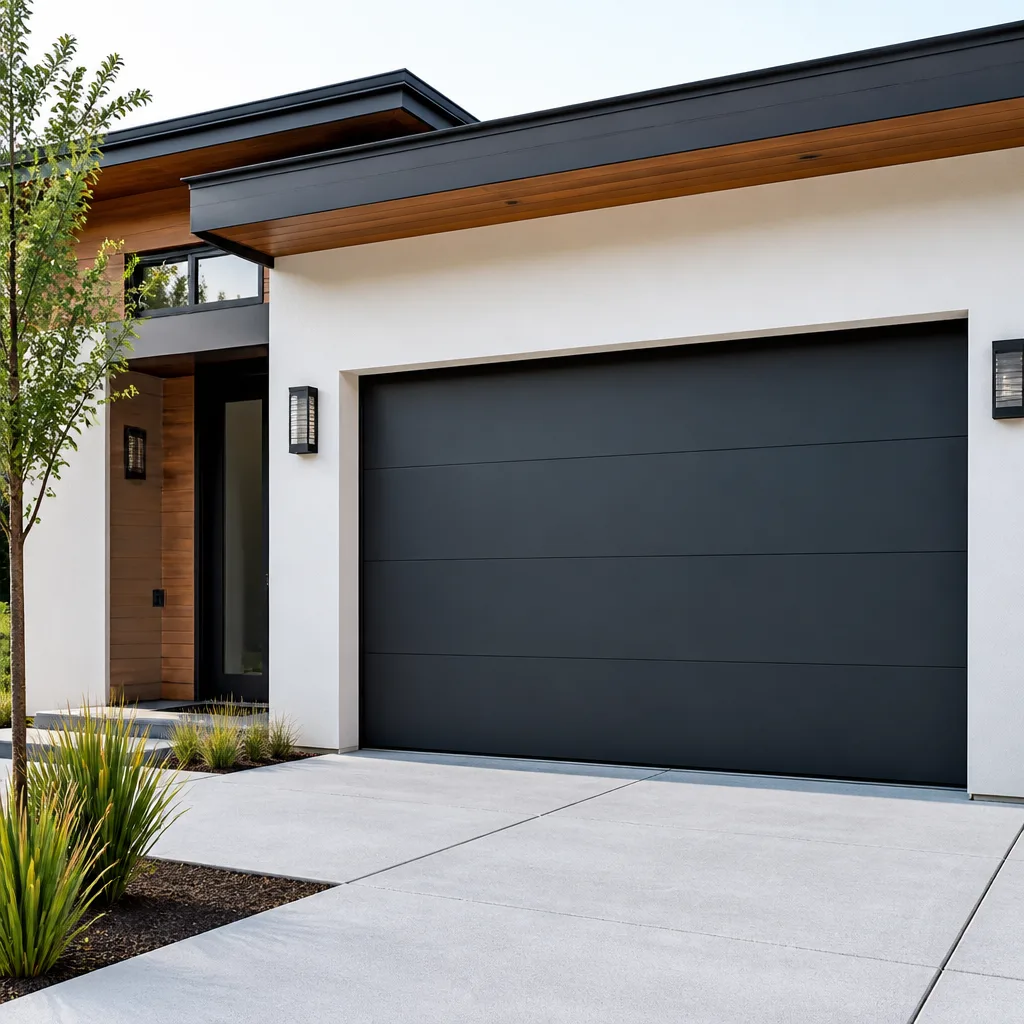 Modern flush
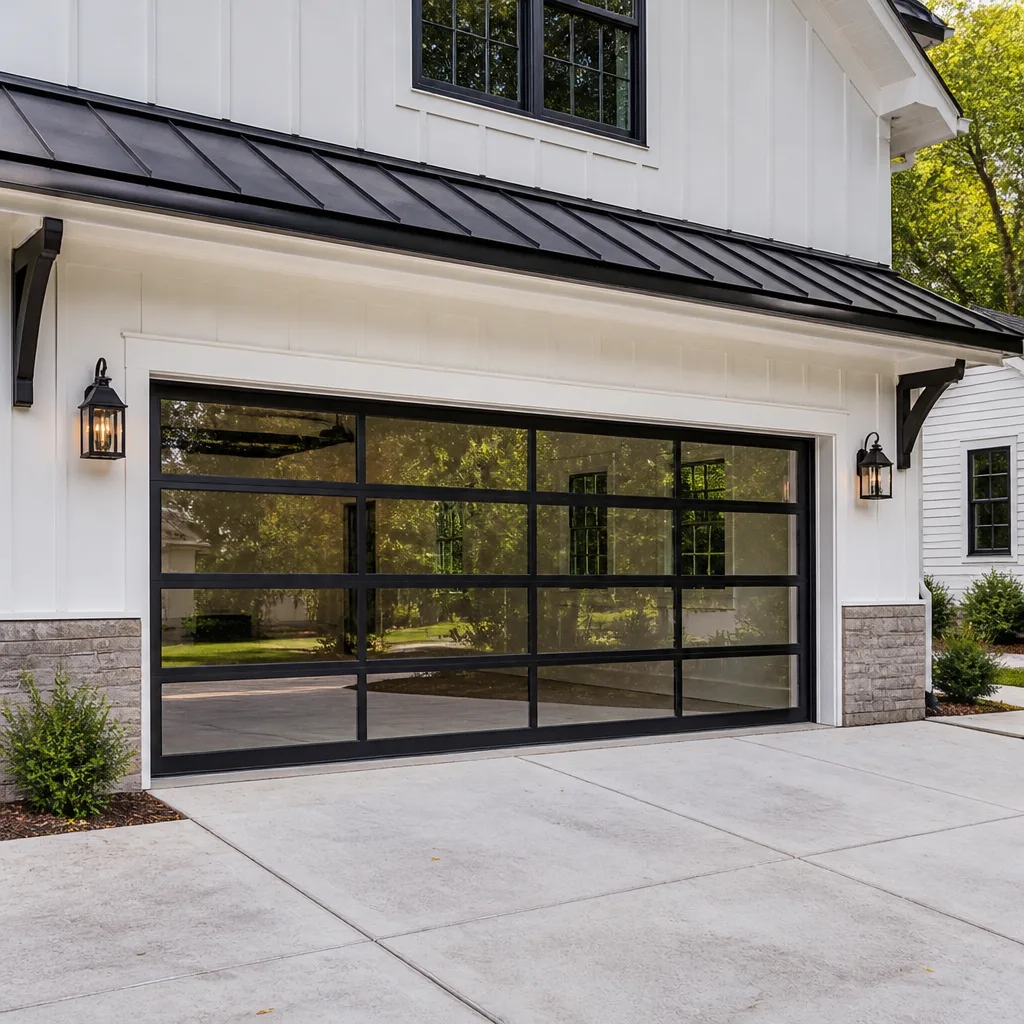 Full-view glass
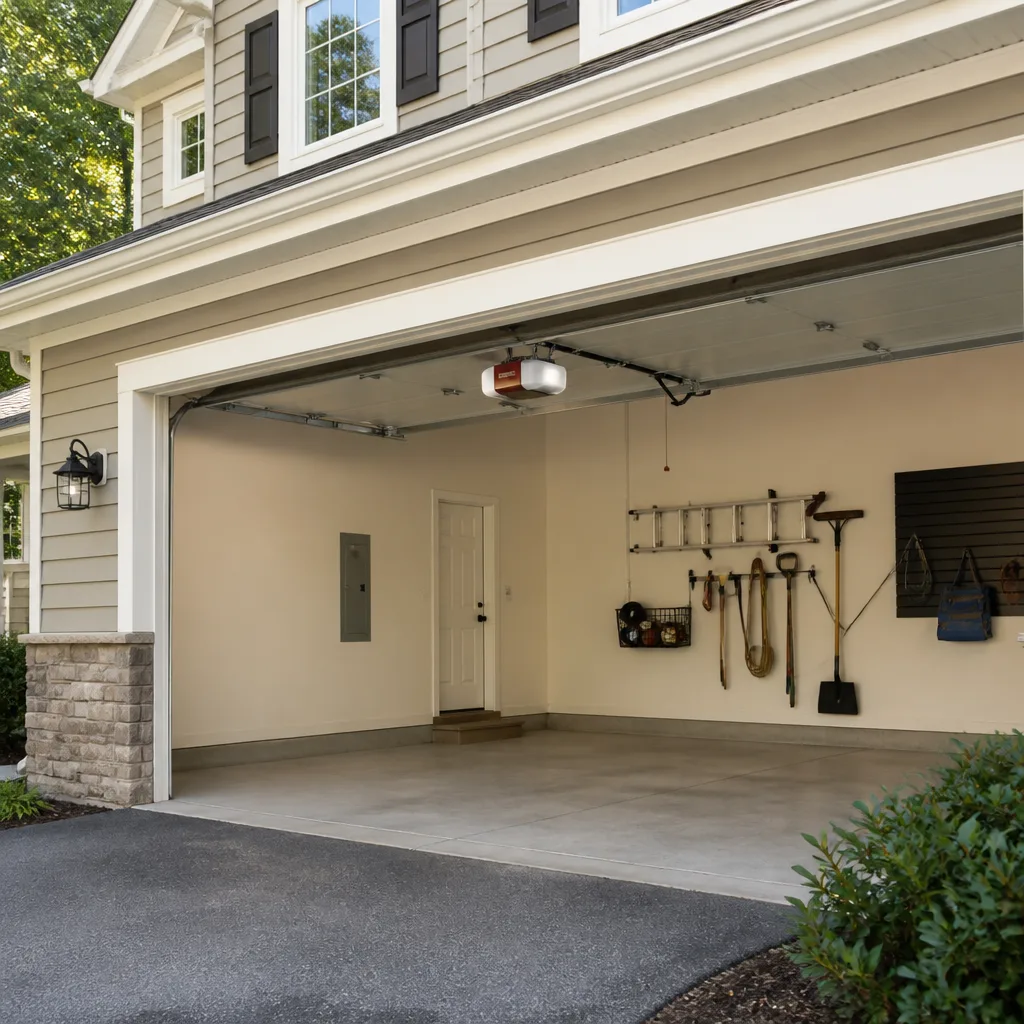 LiftMaster openers
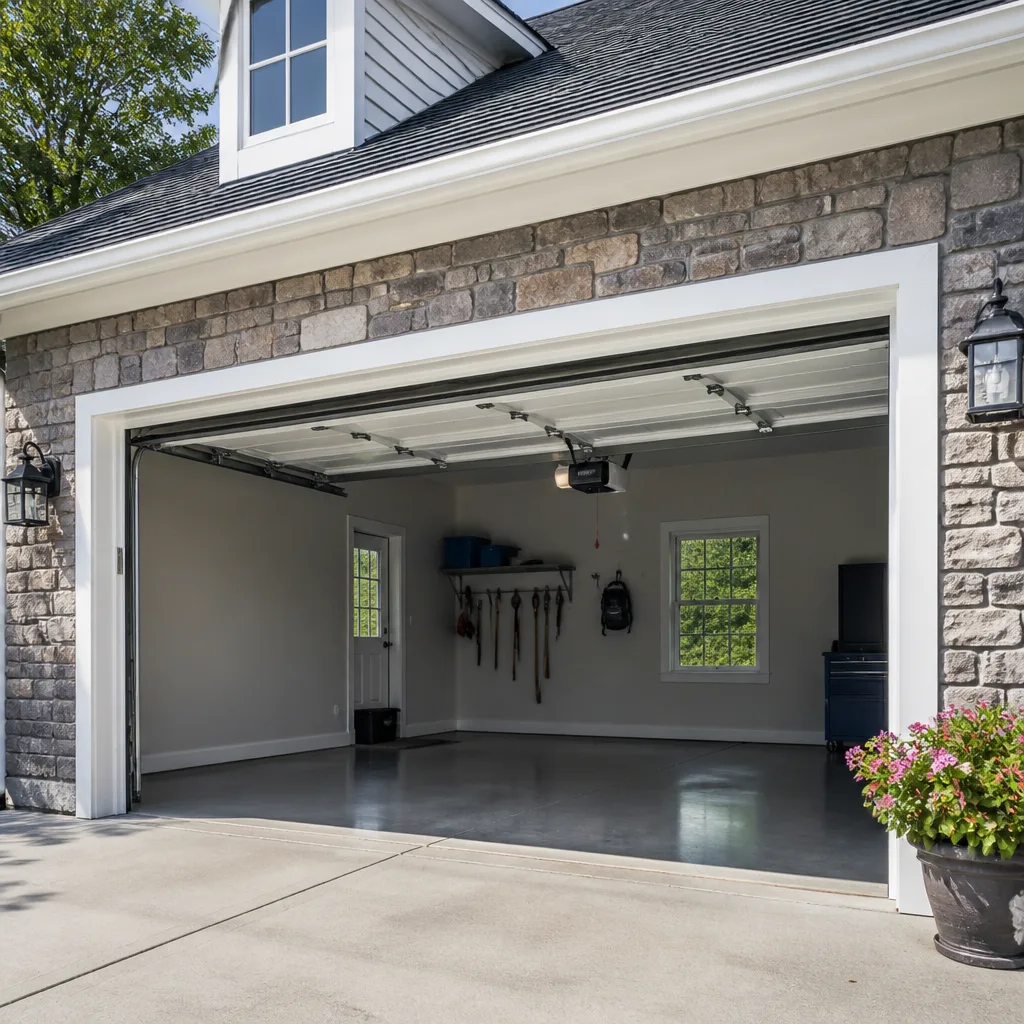 Chamberlain openers
Full 25-point door and opener safety check with every visit - springs, cables, rollers, tracks, and your LiftMaster or Chamberlain opener included
You get a price before we start. It does not change when the pro arrives.
Get your free estimateDIY vs Professional Garage Door: The Lakeside Homeowner’s Decision Guide
Most garage door advice splits into two useless camps: “do it all yourself” or “never touch it, call a pro.” Neither helps. The real answer depends on which task you’re looking at, and the line isn’t drawn where most homeowners assume. Springs are lethal stored energy, full stop. But a misaligned safety sensor or a sluggish door is usually something a careful homeowner can handle on a Sunday. This guide draws that line task by task, explains the Florida permitting and warranty angles most people never hear about, and does the honest cost math on the jobs that sit in the gray zone. If you own a home in Lakeside, you’ll finish with a clear picture of what to touch and what to leave alone.
Styles & brands we work with
- Raised-panel steel
- Carriage house
- Modern flush
- Full-view glass
- LiftMaster openers
- Chamberlain openers
Quick Answer
Lubrication, safety-sensor alignment, remote and keypad reprogramming, and visual inspections are safe and sensible DIY tasks. Spring, cable, and bracket work plus any full door or opener installation should go to a trained technician because of injury risk, Florida Product Approval requirements, and manufacturer warranty terms. For everything in between, the deciding factors are tool cost, physical risk, and whether a mistake creates a security or safety problem in your home.
Table of Contents
- Where the DIY Line Actually Sits
- Torsion Springs: What Stored Energy Really Means
- The Definitive Task List: Safe DIY vs. Leave It to a Technician
- Florida Product Approval and Your Homeowner’s Insurance
- The Warranty Math Over a 10-Year Ownership Horizon
- The Gray Zone: When DIY Saves Money and When It Doesn’t
- The Tool Cost Nobody Budgets For
- Common Mistakes to Avoid
- When to Call a Professional
- Frequently Asked Questions
Where the DIY Line Actually Sits
The garage door is the largest moving object in most homes, and it runs on a balance of forces that has to stay in tune. That’s why the DIY decision isn’t really about whether you’re handy. It’s about which failure modes are survivable and which aren’t. A door that reverses too late or drifts down on its own is a hazard. A door that squeaks is an annoyance. Both feel like “garage door problems,” but they sit on opposite sides of the line.
We think about garage door work in three buckets:
- Routine upkeep – cleaning tracks, lubricating rollers and hinges, tightening visible bolts, testing the auto-reverse. Low risk, high value, and genuinely homeowner-appropriate.
- Adjustments and electronics – sensor alignment, travel limits on the opener, remote and keypad programming, battery swaps. Manageable with the manual in hand and a healthy respect for moving parts.
- Force and tension work – springs, cables, drums, brackets, bottom fixtures, and any full installation. This is the bright-line zone. The stored energy here doesn’t negotiate, and there’s no way to practice it safely.
Lakeside homeowners tend to fall into the first two buckets without realizing it. Rattle, squeak, slow response, remote that quit – those are usually small fixes. The moment a door becomes hard to lift by hand, has a visible gap in the spring assembly, or hangs crooked with a slack cable, you’ve crossed into the third bucket and should stop. We’d rather tell you that plainly than sell you a repair you don’t need.
Torsion Springs: What Stored Energy Really Means
A torsion spring stores enough energy to cause fatal injuries. That’s not a scare line, it’s a physical description. The spring is wound, held in place by set screws, and lifting the door is a matter of balancing that wound torque against the door’s weight. A standard door might need the spring wound several full turns just to lift. When that spring fails or a set screw slips while you’re near it, the torque releases instantly.
Picture it plainly. You lift weights at the gym in a controlled way, with your body braced and your hands on the bar. Now imagine that bar spinning free the second you touch it. That’s the release. The metal spins, cables snap sideways, brackets bend. Inexperience isn’t the problem; there’s no safe way to learn this skill because the first mistake can be the last one. That’s why so many general handymen won’t take spring work, and why we treat garage door spring repair as its own specialty rather than a side task.
Why “It worked when I did it once” Is Dangerous Advice
You’ll find videos online that show spring replacement step by step. Sometimes people follow them and the door works. That doesn’t mean the method was safe, and it doesn’t mean the springs were wound to the right torque. Improperly balanced springs strain the opener, wear the door unevenly, and create a door that’s hard to lift or drops when the opener releases. If a spring has already broken and you’re looking at a dangling door, close it and leave it alone. Same goes for a visibly sagging or twisted assembly – don’t try to “help” it back into place.
Extension springs carry the same hazard, and a broken one can whip into whatever is nearby. Cables under tension are just as unforgiving. Anyone who says a spring is a five-minute job has never seen what happens when one lets go.
The Definitive Task List: Safe DIY vs. Leave It to a Technician
Here’s the split, plain and simple. We’ve put it in two lists so you can scan it before you pick up a wrench.
Safe for a Careful Homeowner
- Lubrication – a garage door lubricant on rollers, hinges, springs (the exterior coil only), and the opener’s chain or screw drive. Twice a year is a good rhythm.
- Track cleaning – wipe out debris with a damp cloth; don’t force alignment by hand.
- Safety-sensor alignment – if the door won’t close and both LEDs aren’t steady, gently nudge the sensor until the light holds. Never bypass them.
- Remote and keypad reprogramming – follow the opener manual, whether it’s a LiftMaster, Craftsman, or another brand.
- Battery swaps – remotes, keypads, wall buttons.
- Auto-reverse testing – place a blocking object under the door path and confirm it reverses; try the close-force test too.
- Opener travel-limit tweaks – small adjustments per the manual when the door reverses at the wrong height.
- Visual inspection – look for frayed cables, dents, missing rollers, or a door that no longer sits square.
Leave It to a Trained Technician
- Spring replacement or adjustment – both torsion and extension.
- Cable replacement – cables carry the same stored energy as springs.
- Bottom bracket, drum, and center bearing work – all under tension.
- Panel replacement on a damaged door – panels are heavy and the door has to be rebalanced after.
- Full door or opener installation – tracked, tensioned, and permitted work.
- Any door that lifts crooked, won’t stay up, or drops on its own – a balance problem you can’t safely diagnose at home.
Florida Product Approval and Your Homeowner’s Insurance
Full garage door installation is a permitting matter in Florida, not a weekend project. Most Florida counties require a permit for a new door, and the installation has to use a product that carries a Florida Product Approval or a statewide approval under the state’s product approval system. That approval number is tied to the door, its hardware, and the installed assembly. A certified installer follows those specs. A DIY install that skips the truss anchors, uses substitute hardware, or misinstalls the wind-rated components can leave you with a door that doesn’t meet the approval it was bought for.
That has downstream effects. When you sell the home, a buyer’s inspector may flag an unpermitted door. Some insurers ask for the permit or the approval documentation when coverage depends on the opening. A door installed outside its approved spec can put a claim in dispute, and the rejection usually shows up months later, when you’re trying to use the coverage you’ve been paying for. This is where the “I’ll just do it myself to save a grand” plan loses its shine. The savings are real up front; the exposure sits quietly in the background.
If the door on your home is original, or if you’re not sure whether it’s permitted, ask your city or county building department before you order a replacement. They’ll tell you what they need. We handle permitted installs in Lakeside and around it, and we walk homeowners through the paperwork instead of leaving them to figure it out after the fact.
The Warranty Math Over a 10-Year Ownership Horizon
Manufacturer warranties on doors and openers are typically written around professional installation. Many of the major labels – LiftMaster, Wayne Dalton, Raynor, and others – condition their warranty on installation by a qualified or certified installer and on the door never being modified. Read the fine print and you’ll see language about “proper installation” or “authorized installation” in nearly every relevant model. The coverage doesn’t care how good your install looks; it cares who did it.
Here’s how that math plays out over ten years, which is a realistic ownership window for a quality door:
- A pro install keeps the door warranty intact. Panels, hardware, and openers stay covered if a defect shows up.
- A DIY install usually voids the door warranty. If a panel cracks or the opener motor fails in year three, you’re paying out of pocket.
- Voided warranties don’t stop the cost of the work. The door still needs to work. You just can’t claim the replacement parts.
- Reinstall or correction costs money. A technician brought in to fix a crooked install is doing the install twice, and you’ve already paid the first bill.
- Insurance disputes are the wild card. A denied claim tied to an unpermitted or out-of-spec install tends to cost more than the entire original install.
The honest conclusion is that a pro install pays for itself if anything goes wrong. If nothing goes wrong, you’ve still got a door that was set up to spec, with a paper trail. For a replacement door in Lakeside, that’s the version most homeowners end up glad they chose. If you want a simple, complete starting point, we lay out the options and the numbers in a free estimate before anything is ordered.
The Gray Zone: When DIY Saves Money and When It Doesn’t
Some jobs sit in the middle. They’re not lethal and they’re not trivial. Here’s our honest read, task by task:
Sensor Alignment
Usually a slight nudge. If the sensor housing was hit and the bracket is bent, DIY turns into a two-hour job with trial and error. Call it if the light won’t stay steady after a few tries.
Remote and Keypad Reprogramming
Genuinely DIY. Nearly every opener manual is online, and the process is a few button presses. If your opener is older and the manual isn’t findable, we can program it quickly. That’s where garage door opener repair calls often end up – a remote or logic board issue rather than a mechanical problem.
Opener Motor Replacement
If the motor is dead and the unit is older, replacement is a pro job. The opener has to pair with the door’s weight and balance, and the new unit has to be mounted and aligned correctly. A mismatch between a strong opener and a heavy door strains the system. We can handle the swap end to end, and the door keeps working the same day the new motor goes in.
Rollers and Hinges
Replacing worn nylon rollers is DIY-friendly if the door is open and you’re careful. Doing it with the door down is a fast way to pinch a finger or distort a hinge. When in doubt, keep the door balanced and supported.
Track Damage
A dented track that still lets the rollers roll is fine. A bent or twisted track is not – the door can jump out and drop. That’s a technician call.
The Tool Cost Nobody Budgets For
DIY only saves real money when you already own the tools. Spring work alone calls for winding bars sized to the spring, a sturdy ladder, C-clamps, and gloves. Winding bars aren’t expensive, but they only do one job, and they only get used once or twice a decade. Add a torque wrench, an impact driver, and a magnetic level, and the tool bill climbs quickly.
Now compare that to the cost of a technician visit. For a single repair, the tools can cost roughly what the repair does, and you’re still carrying the risk. For a recurring adjustment, the tools pay for themselves – but most spring jobs aren’t recurring in the same household. That’s the quiet math that trips up DIYers: the tool cost only looks like savings on paper if you plan to do the job more than once.
Where DIY genuinely saves money is on the small stuff. A can of garage door lubricant and fifteen minutes twice a year will extend roller and hinge life. Cleaning out the tracks after a windy month keeps the door sliding smoothly. Reprogramming a remote when you buy a new car is a five-minute task. Those are the real wins, and we’d rather see homeowners spend their energy there.
Common Mistakes to Avoid
- Forcing a door that won’t move. If the door hangs or won’t lift, something is under tension or broken. Pushing it just loads the weak point further – close it and call.
- Winding springs without the right tools. Makeshift winding bars slip. A slip happens close to your body with the full torque of the spring behind it. That’s not a suggestion to be careful; it’s a reason to stop.
- Bypassing the safety sensors. A door that closes without reversing is a serious risk, especially for kids and pets in a Lakeside home with a driveway close to the street. The sensors are cheap; the consequences aren’t.
- Ignoring a sagging door after a repair. If the door isn’t level or the spring isn’t doing its job, the cables are being pulled unevenly. That shortens their life and can cause a sudden failure.
- Installing a door without checking permits. A homeowner who skips the permit in Florida winds up explaining the door to a buyer’s inspector or the insurer later. Ask the city or county building department before the door goes in.
- Cutting corners on the opener’s balance. New motors and old doors are a bad match if the door isn’t balanced first. The opener does the work; the door should still lift by hand.
- Lubricating the wrong parts. Heavy grease on tracks attracts grit and slows the door. Use a proper garage door lubricant on the moving parts, not the rails.
- Assuming any brand works the same. Wayne Dalton, LiftMaster, Raynor, and others have distinct spring, cable, and opener designs. A generic fix can miss what the manufacturer actually needs.
When to Call a Professional
Call a professional when the job sits in the bright-line zone: springs, cables, brackets, drums, panel replacement, or full installation. Also call if the door drops on its own, won’t stay up when lifted half way, hangs crooked, or reverses at the wrong point even after you’ve checked the sensors. Anything that involves the forces holding the door up is not a judgment call.
We connect Lakeside homeowners with local pros who know the major brands and handle emergency calls when a door failure creates a security or access problem. Our technicians have up to 11 years of experience, and we work on the brand already in your garage. Garage Door Repair Lakeside offers free estimates in Lakeside – call (877) 492-4021.
Frequently Asked Questions
Usually no. A full door replacement in Florida involves permits, a Florida Product Approval tied to the installed assembly, and certification for the installation. Saving the labor cost up front risks the door warranty, permit paperwork, and coverage later, so the savings shrink fast. Call (877) 492-4021 for a free estimate and a permitted install done right.
No. A torsion or extension spring stores enough energy to cause fatal injury, and the risk isn’t theoretical – it’s a controlled release that fails without warning. Even experienced technicians use specialized tools and treat the work as safety-critical. Leave the springs to a trained pro; call (877) 492-4021 and we’ll get you a written price.
Lubrication, track cleaning, safety-sensor alignment, remote and keypad programming, battery swaps, and testing the auto-reverse are all reasonable DIY tasks. Keep a manual handy, keep the door balanced, and stop at anything that involves tension or electrical wiring inside the opener. Call (877) 492-4021 if a “small” task turns out to be more.
Often, yes. Many door and opener manufacturers condition their warranty on professional installation, and modifying the door or the hardware can void coverage outright. Before you decide, read the specific model’s warranty – the language about installation is usually explicit. A certified install keeps the coverage; call (877) 492-4021 to see what your door’s terms require.
A broken spring usually shows a clear gap in the coil, a door that won’t lift by hand, or a door that slams down when the opener releases. A spring that’s wearing out may still work but leaves the door heavy or off balance. Either way, don’t try to adjust it yourself – call (877) 492-4021 and we’ll diagnose it and quote the repair before anything is touched.
For many repair calls, yes. We connect Lakeside homeowners with local pros who handle straightforward repairs quickly, and we offer emergency response when a stuck or broken door creates a security or access problem. Call (877) 492-4021 to book the soonest available visit and get a price up front.
The Bottom Line
The DIY decision for garage doors isn’t about how handy you are. It’s about which tasks involve built-up force you can’t safely manage at home. Lubrication, sensor alignment, and remote programming are smart homeowner work. Springs, cables, and full installations belong to a trained technician – and in Florida, permits, warranty terms, and insurance coverage all point the same way. Make the small maintenance fixes yourself, and treat the spring and installation work as a call to a professional. If you’re not sure which side of the line a job is on, that’s usually the sign to ask.
Ready to get it handled? Call Garage Door Repair Lakeside at (877) 492-4021 for a free estimate. We work on the brand already in your garage, from opener electronics to spring systems, and we price the job before any work starts. Whether you’re after Garage Door Repair Lakeside, a second opinion on a repair, or a quote on a new door, one call covers it. You can also start with garage door repair for the most common fixes we see around Lakeside.
Written by the team at Garage Door Repair Lakeside.
See the difference
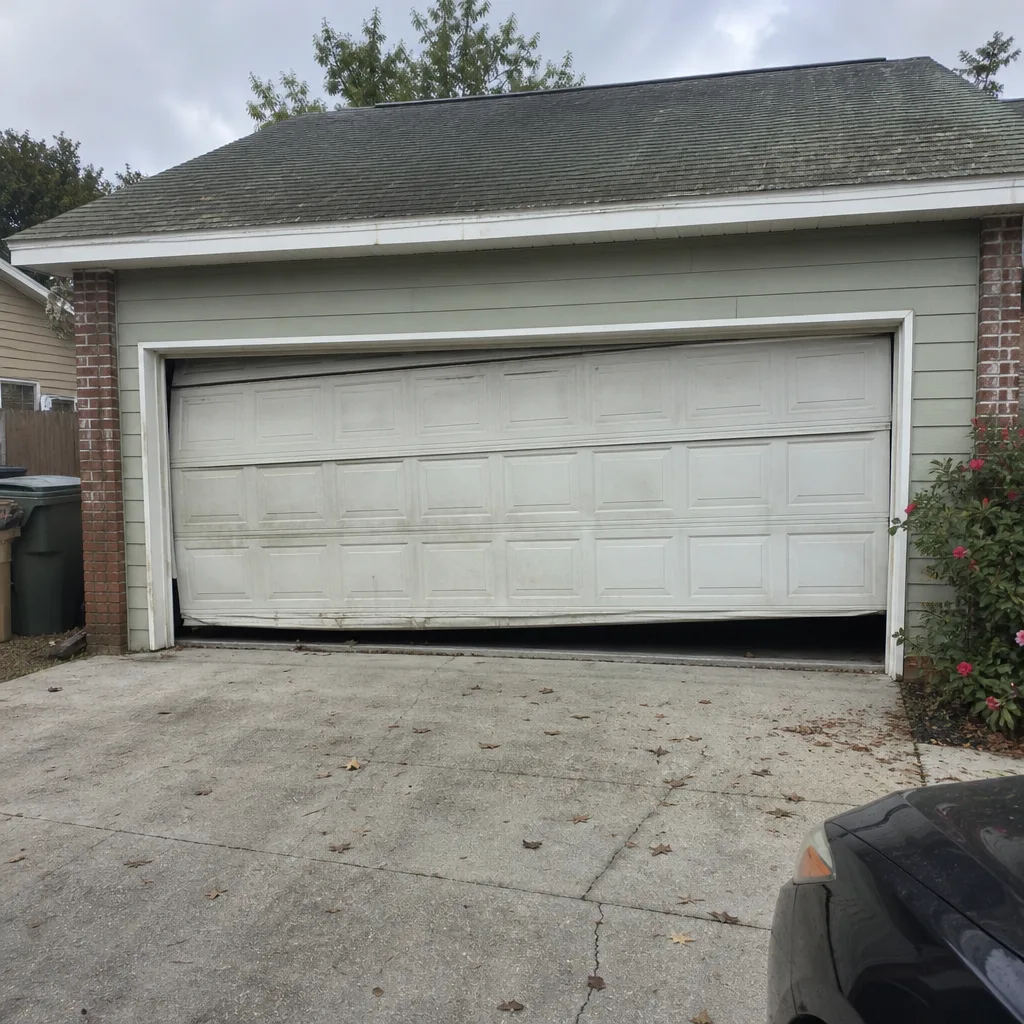 Before
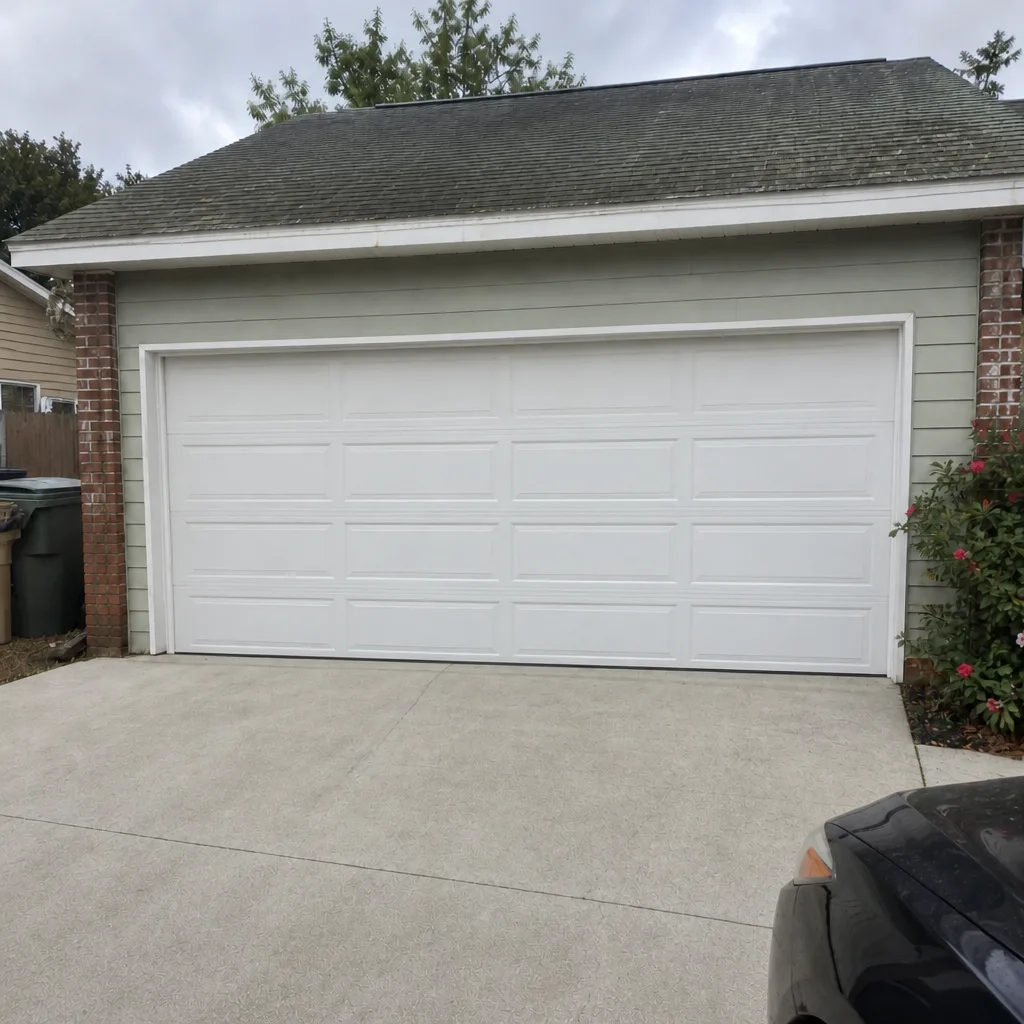 After
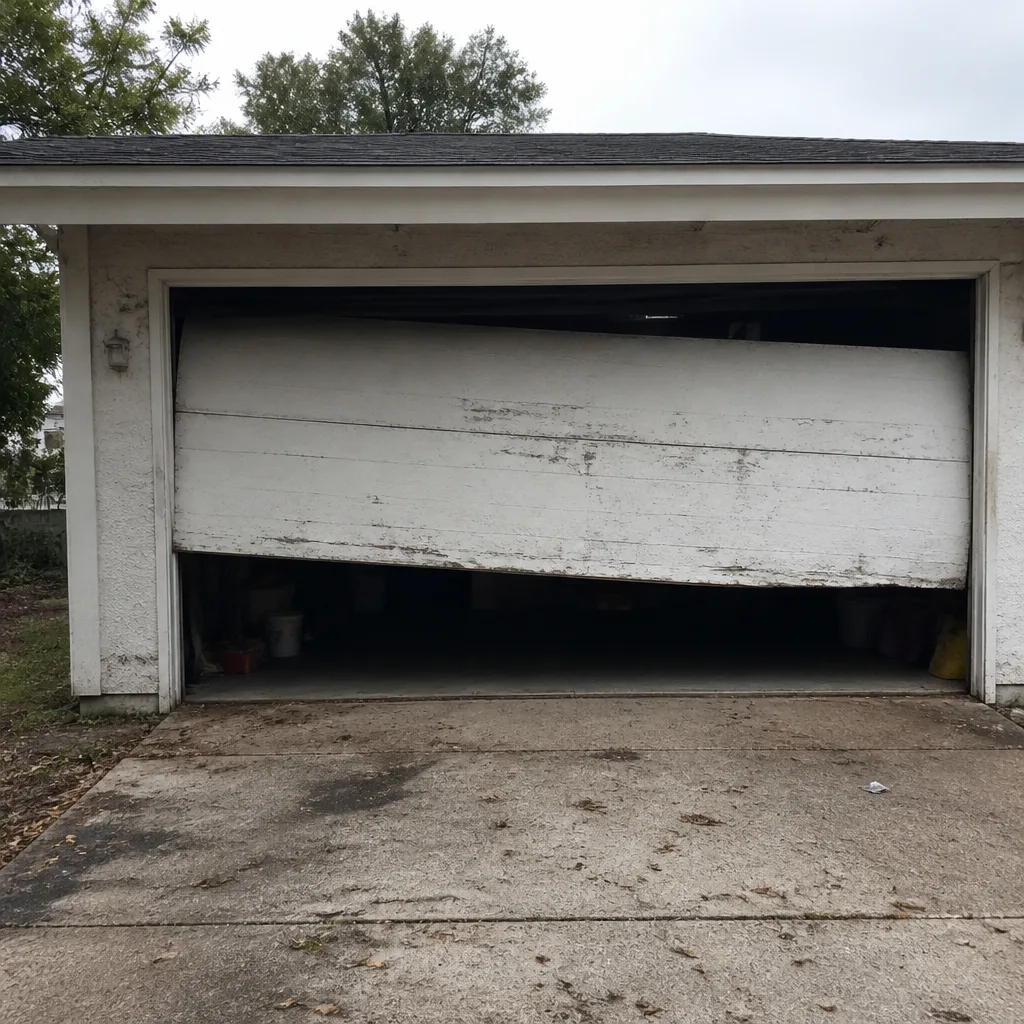 Before
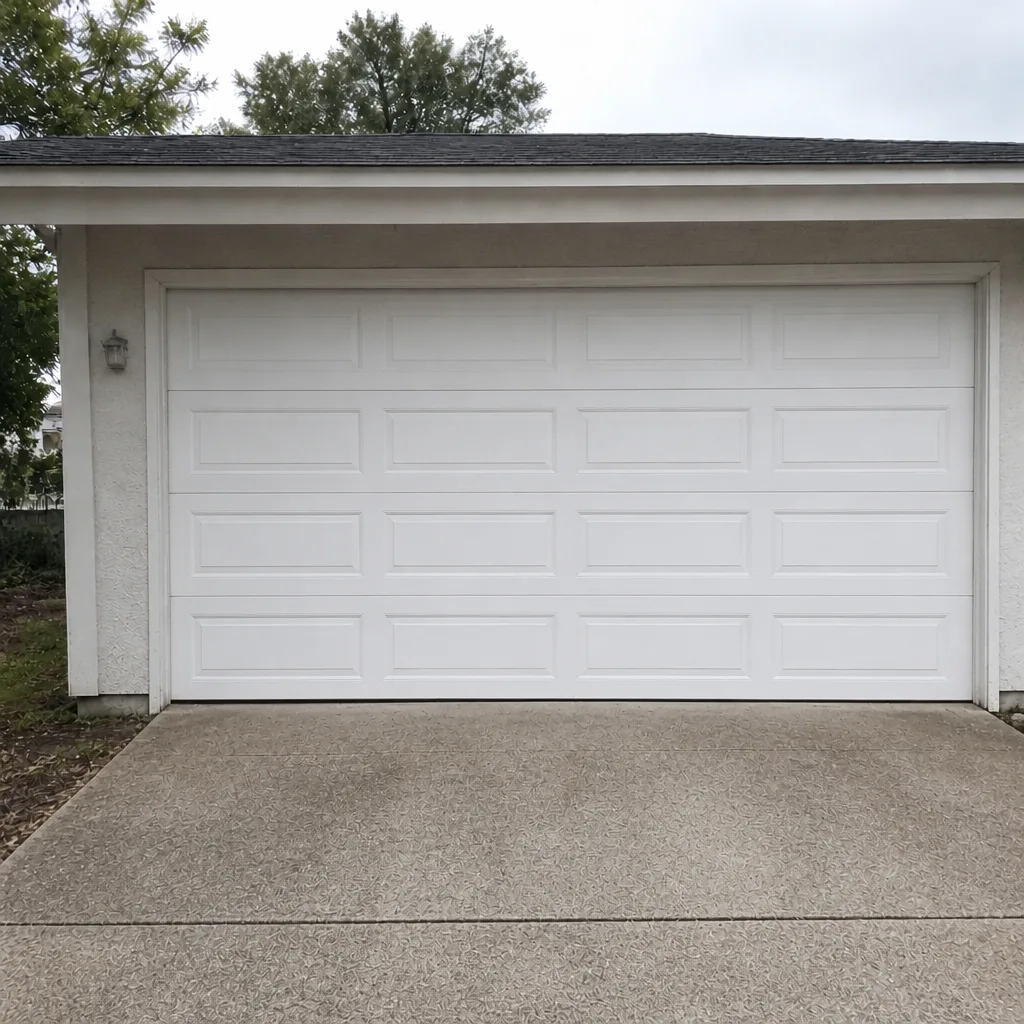 After
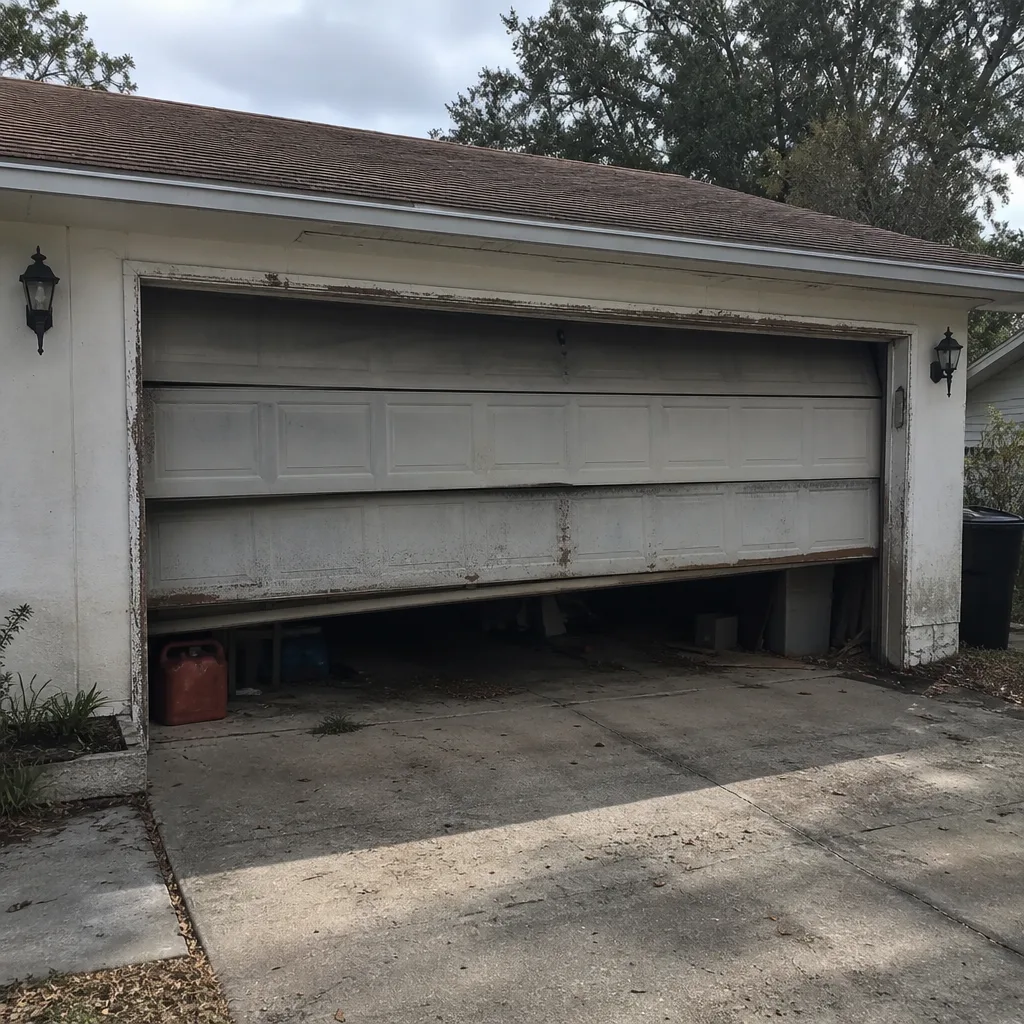 Before
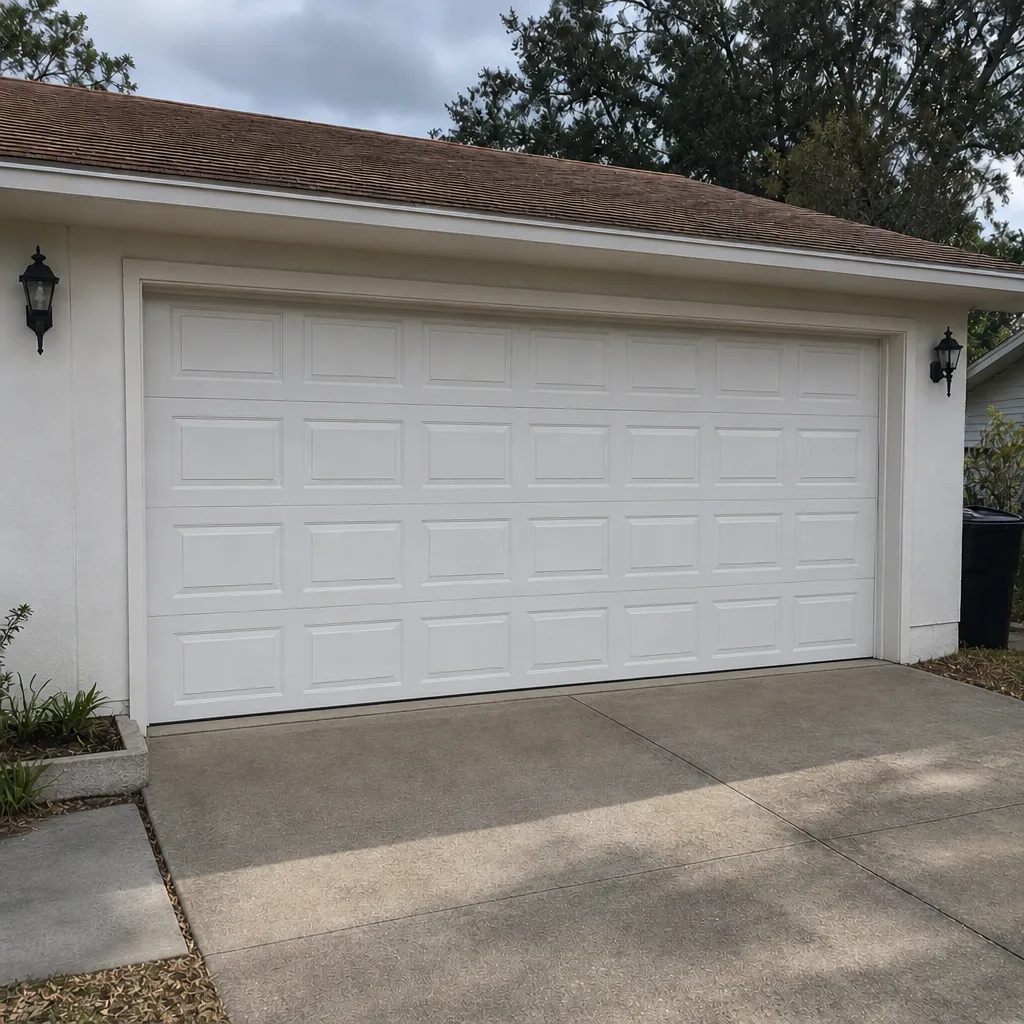 After